Bayer and Luke Bryan launch campaign to donate 1 million meals
Bayer and Luke Bryan tied a 1 million-meal pledge to farm-tour food drives in Clovis and Elk Grove, aiming to turn celebrity reach into rural pantry supply.

Bayer and Luke Bryan opened a new hunger-relief push with Feeding America that is set to donate 1 million meals, but the campaign’s real test is whether its mix of food drives, local partners and tour stops translates into steady supplies for rural pantries rather than a short-lived burst of attention.
The effort started with a Walmart community food drive in Clovis, California, on May 14 and then moved to Luke Bryan Farm Tour stops in Clovis on May 15 and Elk Grove on May 16. Bayer said the campaign is part of Bryan’s 17th Farm Tour and that Bayer returned as presenting sponsor, extending a partnership that began in 2015 and has generated more than 11 million meals for Feeding America member food banks.
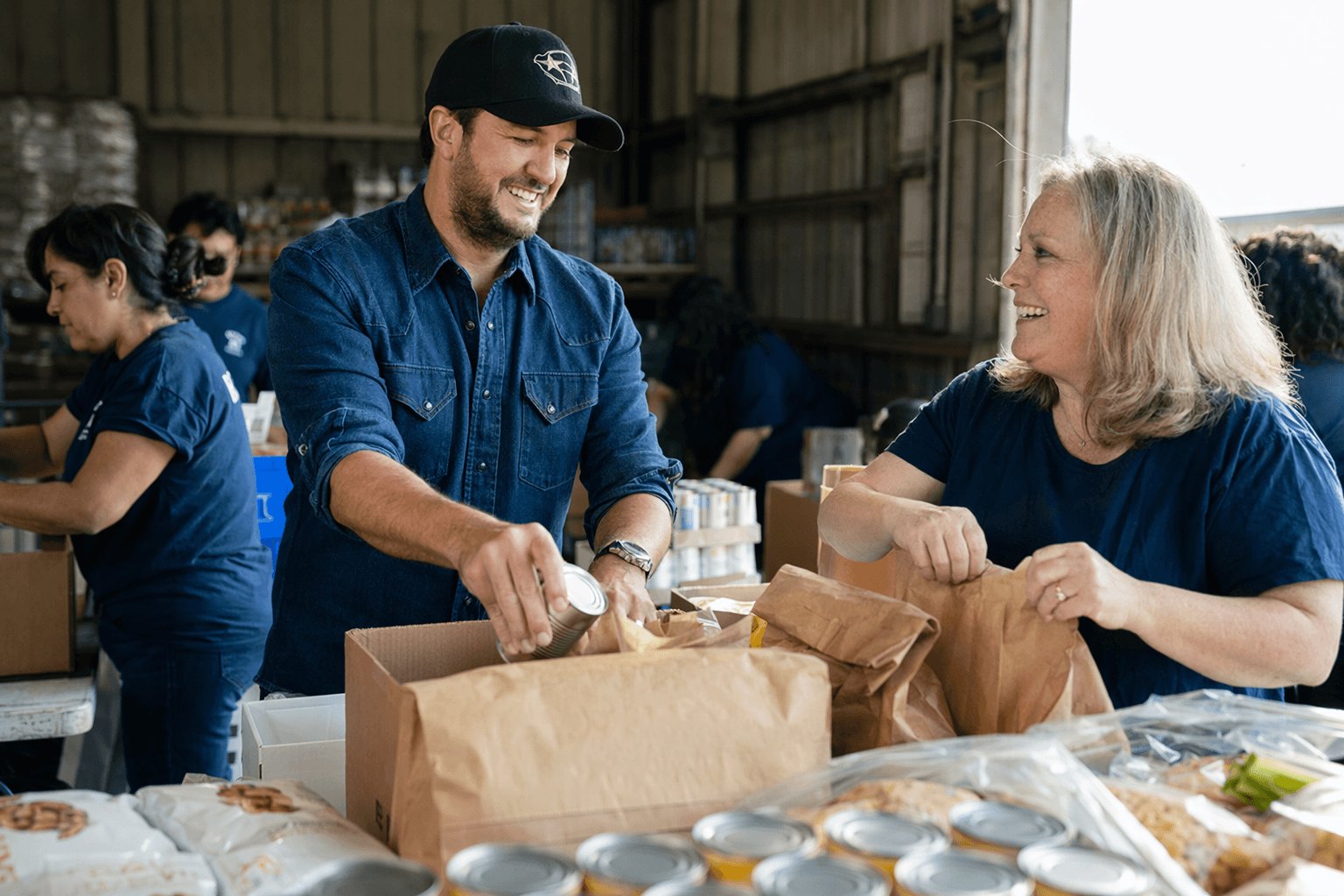
This year’s version leans on more than celebrity promotion. Bayer said fans could drop off canned goods and other non-perishable items at designated collection points, with Central California Food Bank and Sacramento Food Bank & Family Services named as local logistics partners. Participants were also entered to win prizes, including VIP upgrades to Farm Tour shows, while One A Day, a Bayer brand, was folded into the nutrition message. In 2025, Bayer said the campaign collected more than 16,000 pounds of food and added $5,000 to each partner food bank, giving the company a measurable baseline for whether the 2026 effort goes beyond social-media awareness.
The rural focus reflects a real supply problem, not just a branding angle. Feeding America says 9 out of 10 counties with the highest food insecurity rates are rural, even though less than two-thirds of U.S. counties are rural overall. The organization says distance from grocery stores and food pantries, transportation barriers, low wages and underemployment all deepen the gap. It also says Black people in rural counties were 2.5 times more likely to face hunger in 2022, while Native Americans in rural communities face some of the highest hunger rates.
For food-recovery groups like A Simple Gesture, the campaign offers a useful model: pair a clear donation target with local pickup points, named distribution partners and a repeating public event calendar. That is the same logic behind green-bag routes, doorstep collection and school-based fridges. The question for workers is not whether a celebrity can draw a crowd, but whether the campaign creates repeatable volume and easier distribution for the food banks that actually move meals into rural communities.
Know something we missed? Have a correction or additional information?
Submit a Tip