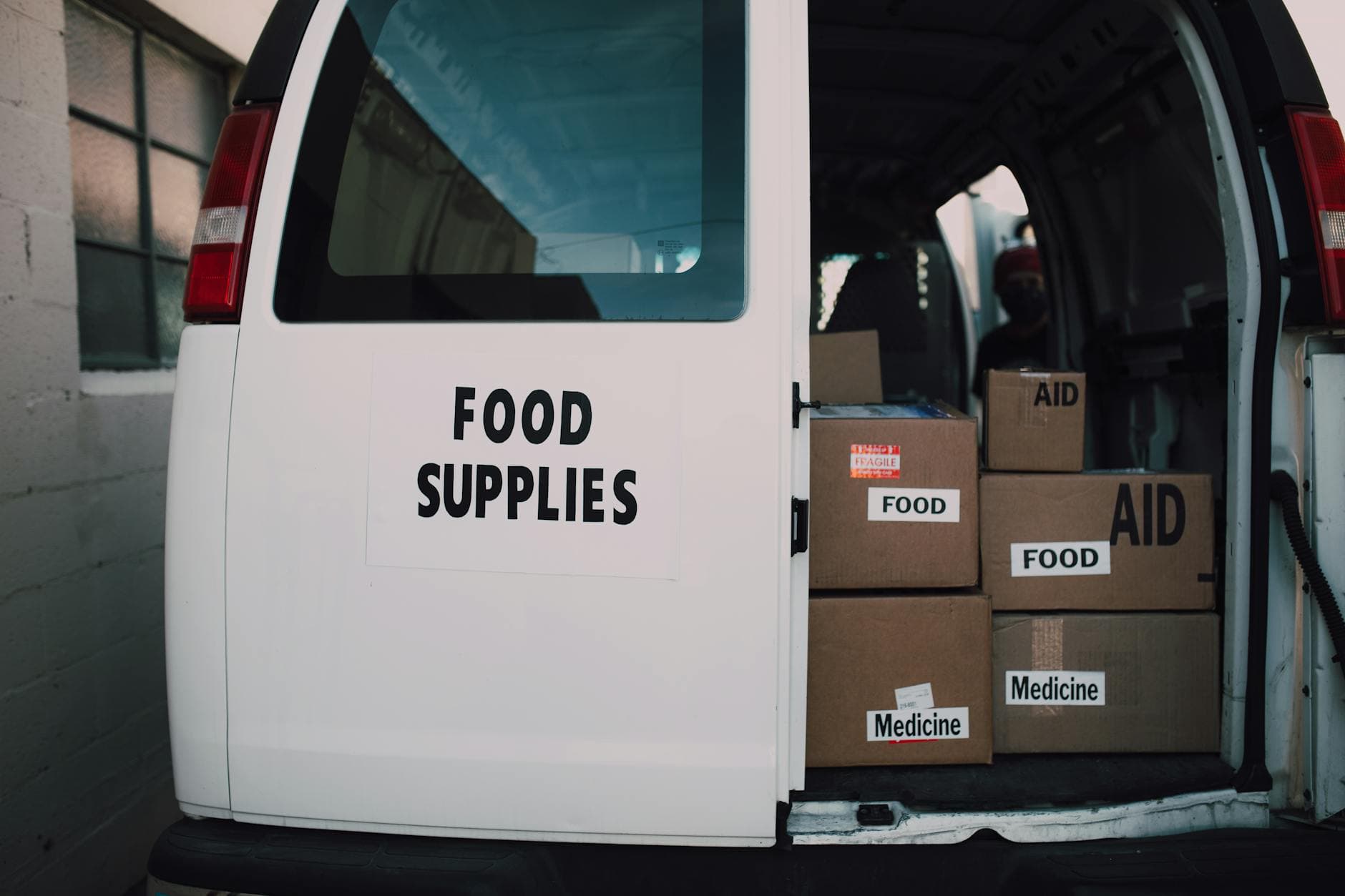
Leadership Bulloch project adds pavilion at Statesboro Food Bank
A new pavilion at the Statesboro Food Bank turned a civic project into working capacity, adding covered space for distributions, meals and partner events.
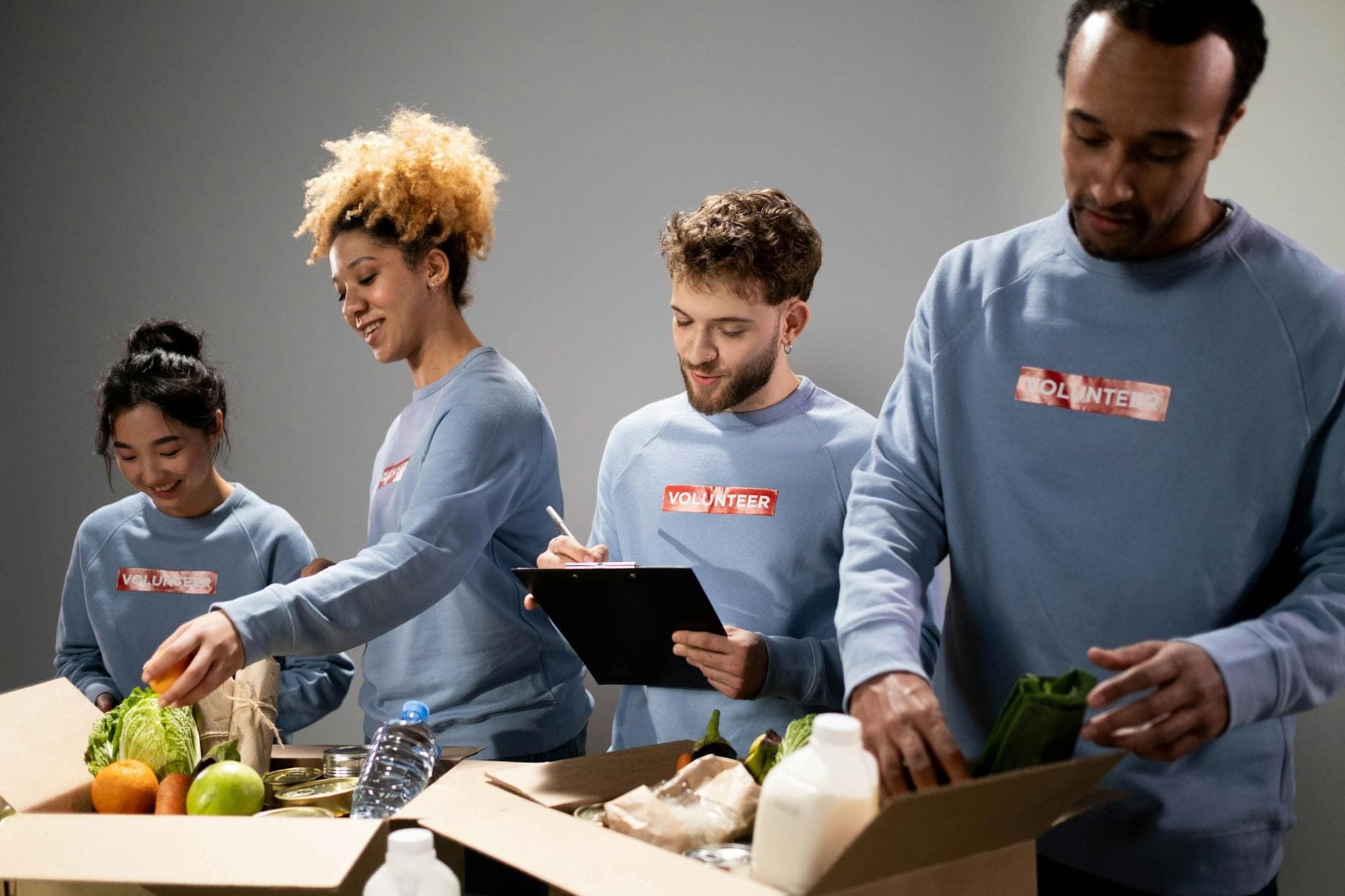
A new outdoor pavilion at the Statesboro Food Bank gave Bulloch County a practical upgrade, not just a fresh look. Completed through Leadership Bulloch Class of 2026’s community project, the space was celebrated with a ribbon cutting on May 13, 2026, and was framed as an operating asset that could change how the food bank serves families day to day.
The pavilion was designed to support food distribution, community meals, educational programming and future partnerships across Bulloch County. That matters in a setting where weather, crowd flow and limited covered space can complicate even routine service. A shaded, outdoor structure gives staff and volunteers a more workable place to stage boxes, greet neighbors and host activities without pushing everything indoors or forcing events to be canceled when conditions turn rough.
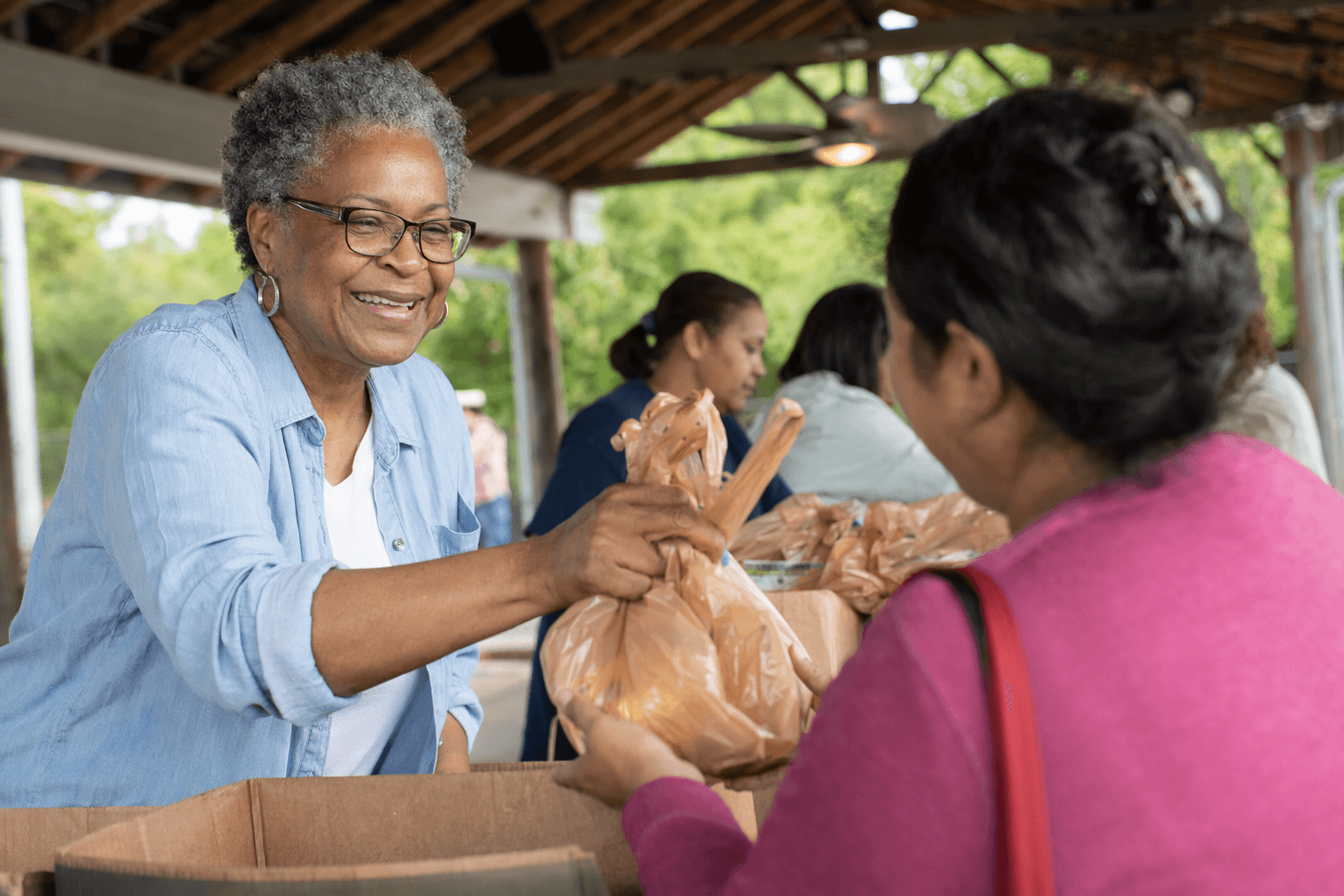
The ribbon cutting brought together chamber leaders, sponsors, donors, volunteers and community partners, a reminder that food bank infrastructure often gets built through civic relationships as much as through traditional capital campaigns. Local business and construction partners helped deliver the project, showing how a relatively modest build can draw in the kinds of support that nonprofit operators usually have to assemble piece by piece. Hyundai Motor Group Metaplant America also pointed to a local stake in the effort, noting that many of its employees live in Bulloch County and benefit from community-based partnerships.
For A Simple Gesture and other food-recovery groups, the Statesboro project reads like a case study in capacity-building. A covered pavilion can make distributions more weather-resilient, improve the welcome area for neighbors and create room for educational sessions or partner convenings that otherwise would not fit. The same logic applies to green bag routes and doorstep donation workflows: a small investment in staging, handoff points or covered sorting space can reduce friction for volunteers, improve safety and make pickup operations run more smoothly.
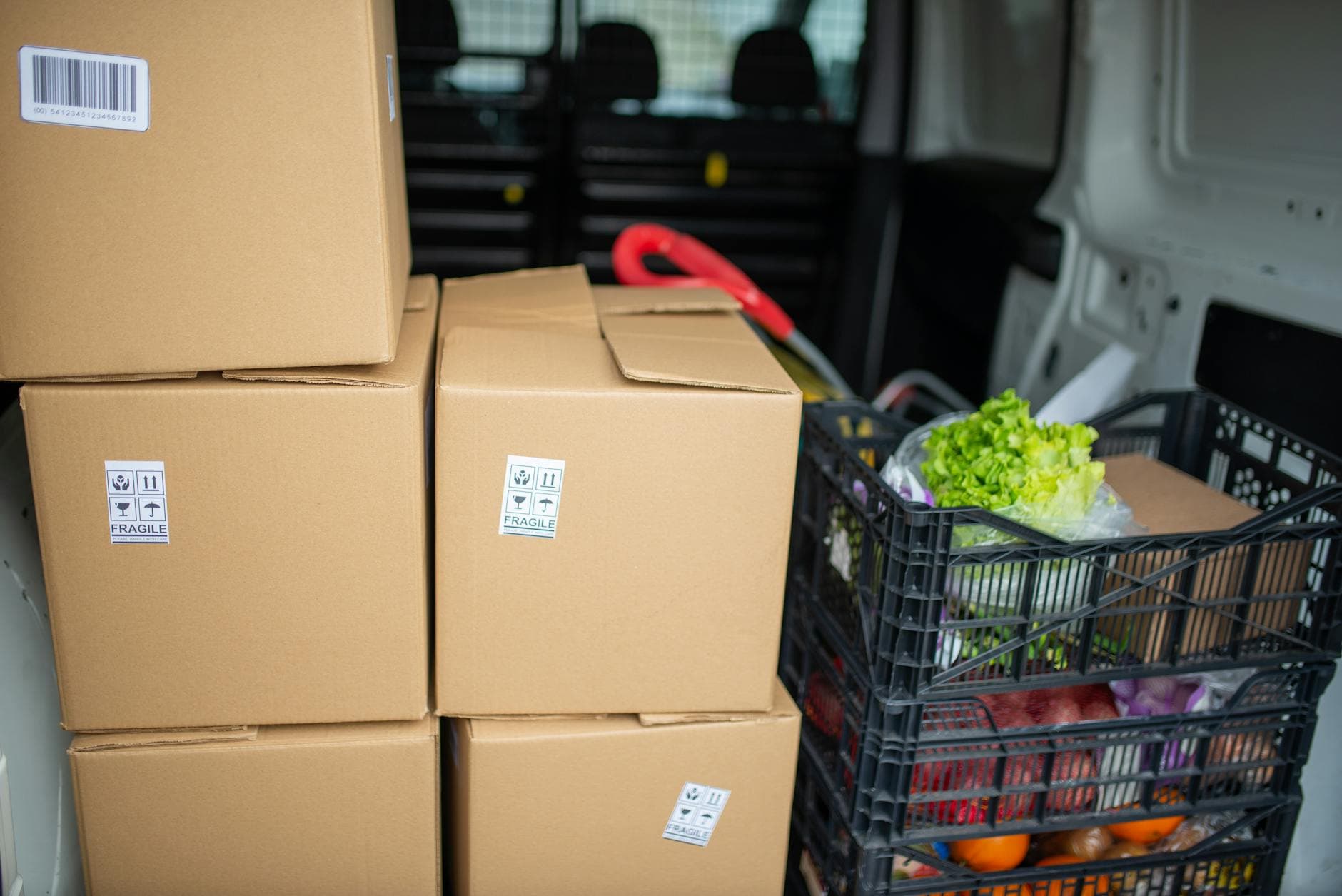
The bigger lesson is that mission growth often depends on unglamorous infrastructure. A pavilion does not replace food, volunteers or partnerships, but it can make each of them work better, and that is the kind of addition that pays off every time the doors open.
Know something we missed? Have a correction or additional information?
Submit a Tip