FEMA planning guides help food nonprofits prepare for disasters
Food nonprofits can use FEMA’s planning and security tools to keep pickups, volunteers, and pantry deliveries moving when disruption hits.
Why disaster prep belongs in the food-recovery playbook
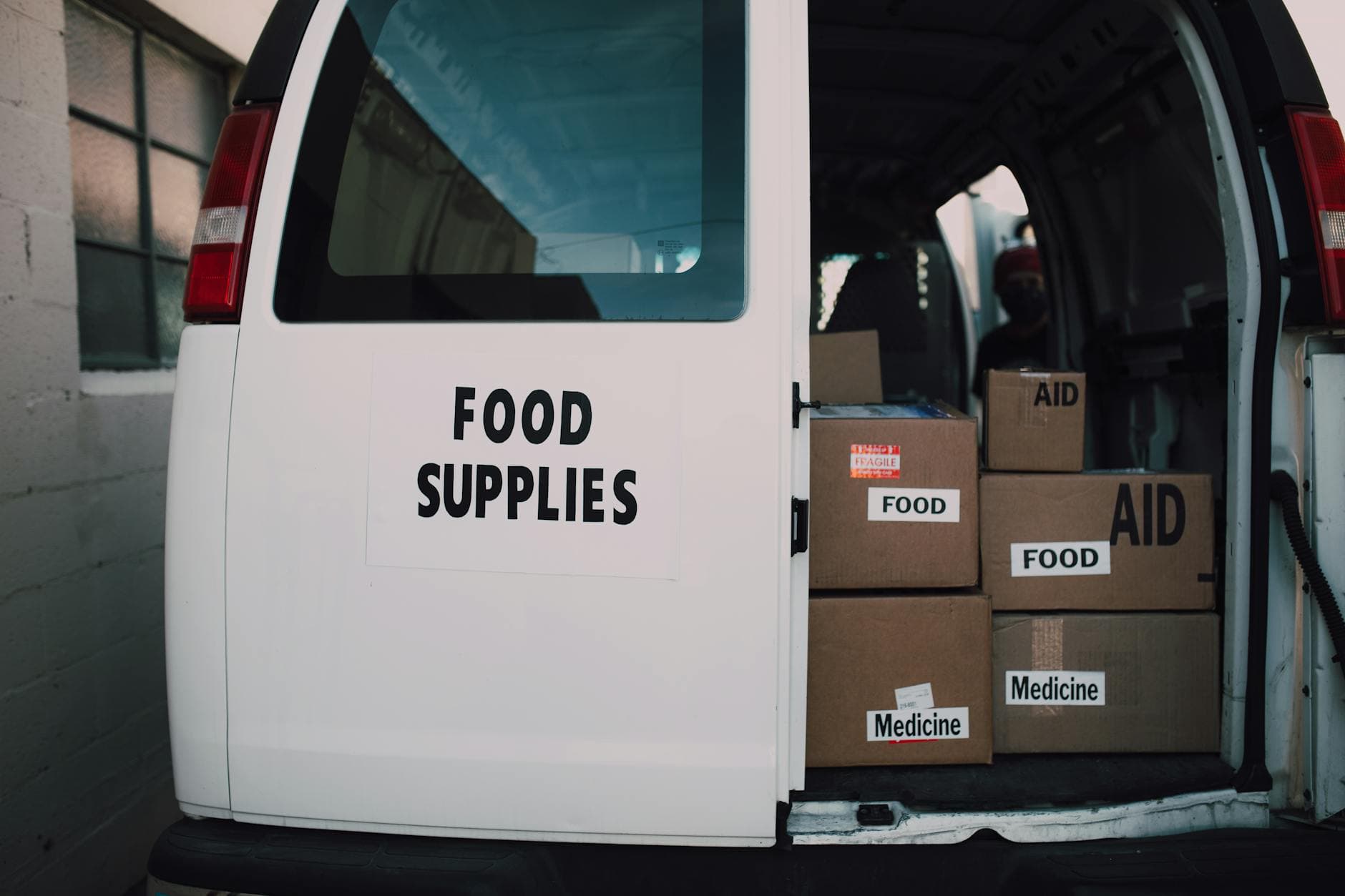
A storm does not have to stop food recovery. FEMA’s planning guides give nonprofit leaders a practical way to think about continuity before an outage, evacuation, or security problem interrupts pickups, deliveries, or volunteer shifts.
For A Simple Gesture, that matters because the work depends on tight coordination. Volunteers rescue edible food from businesses and deliver it to local nonprofits, while the organization partners with dozens of food pantries in Guilford County, North Carolina. When routes change, pantries close, or staff cannot reach their usual sites, the question is not just how to respond, but how to keep service going without confusing volunteers or shaking donor trust.
The continuity mindset that fits food recovery
FEMA’s continuity guidance defines continuity as the ability to provide uninterrupted critical services, essential functions, and organizational viability before, during, and after a disruption. That is a useful lens for food recovery groups, where even a short break in communication can mean missed pickups, spoiled food, or an empty shelf at a pantry that was counting on a delivery.
The Federal Emergency Management Agency’s National Response Framework pushes the same idea at a larger scale: jurisdictions, nongovernmental organizations, and businesses should build whole-community plans, integrate continuity plans, and prepare for cascading failures across businesses, supply chains, and infrastructure sectors. For a nonprofit like A Simple Gesture, that translates into a few concrete moves this quarter: update contact trees, set backup communication channels, define who can cancel a route, and decide how staff will notify volunteers if a shelter-in-place order or transportation failure changes the day’s plan.
Start with roles, routes, and messages
FEMA’s local officials planning guide offers an executive-level introduction to emergency management and clarifies roles and responsibilities before, during, and after disasters. That structure is valuable for a nonprofit that relies on part-time staff, volunteer drivers, pantry partners, and donors who expect consistency. If no one is clearly assigned to make the call, a delayed decision can become a canceled pickup, and a canceled pickup can ripple through the entire network.

The practical fix is simple: write down who handles route decisions, who contacts pantry partners, who posts volunteer updates, and who fields donor questions if operations shift. FEMA’s evacuation and shelter-in-place page also identifies concepts and principles that can inform planning for protective actions, which means food nonprofits should have a plain-language cancellation policy ready before an emergency starts. A short, rehearsed message can prevent confusion: whether volunteers should stay home, whether food drop-offs are moving, and whether a pantry is still receiving deliveries that day.
Use community partnerships before a crisis, not after one
FEMA’s guide on engaging faith-based and community organizations uses a seven-step process to help emergency managers identify and work with groups in underserved communities and assess their capacity to participate in preparedness activities. FEMA, along with the U.S. Department of Homeland Security’s Center for Faith-Based and Neighborhood Partnerships, describes these groups as part of a “whole community” approach and says they can be “force multipliers” for reaching high-risk and historically underserved residents.
That language fits food recovery especially well. Food access groups are often among the first local organizations people turn to during storms, outages, and other emergencies, which makes existing relationships with pantries, congregations, and neighborhood partners a preparedness asset, not an add-on. A Simple Gesture already operates in that space through its pantry network in Guilford County, so the next step is to treat those relationships as part of emergency planning: confirm alternate contact people, identify which partners can accept food if one site closes, and make sure everyone understands how decisions will be relayed if regular channels go down.
What a small nonprofit can do this quarter
A food nonprofit does not need a full emergency manual to get started. It needs a short, usable continuity plan that fits the realities of a volunteer-based operation and can be pulled out when the weather turns or a facility problem hits.
- Build a one-page decision tree that says who can pause pickups, reroute deliveries, or cancel volunteer shifts.
- Keep a shared emergency contact list for staff, route leaders, pantry partners, and backup drivers.
- Test two communication channels, not one, so a text outage or email delay does not stall the response.
- Write down shelter-in-place and evacuation instructions for any site where volunteers gather, sort, or load food.
- Confirm which pantry partners can receive food on short notice if a regular stop is unavailable.
- Set a short donor-facing message in advance so service changes do not erode trust.
Those steps are modest, but they matter because food recovery is time-sensitive. Every missed call can mean wasted food, and A Simple Gesture’s own materials note that the United States wastes 30% to 40% of the food it produces. In a sector built on rescue and redistribution, disruption is not just inconvenient. It can turn scarce volunteer hours into lost meals.

Security planning is part of continuity too
FEMA’s Nonprofit Security Grant Program adds another layer of preparedness for nonprofits with community-facing sites or regular volunteer traffic. The FY 2025 materials say the program is designed to help nonprofit organizations, along with state, local, tribal, and territorial governments, prevent, protect against, prepare for, and respond to terrorist or other extremist attacks. FEMA also says the program supports target hardening and other physical security enhancements.
For eligible organizations, the application path matters: FEMA says nonprofits must work through their State Administrative Agency, which serves as the primary pass-through applicant. The FY 2025 funding opportunity listed an estimated total program funding level of $274.5 million, and FEMA updated its faith-based and community-organizations planning document in October 2024, underscoring that these are active tools, not static paperwork.
For a group like A Simple Gesture, security planning does not have to mean turning a food-recovery operation into a fortress. It can mean better exterior lighting, controlled access to volunteer loading areas, clearer visitor procedures, and stronger internal protocols for who is allowed into storage or staging spaces. Those measures help protect staff and volunteers, but they also keep the operation reliable when community confidence matters most.
A practical resilience model for the food-recovery sector
The bigger lesson in FEMA’s guidance is that resilience is a workplace issue. A nonprofit that prepares well can protect people, preserve food, and keep disruptions short enough that pantry partners still get what they need.
For A Simple Gesture, that means treating disaster readiness as part of the daily operating model, not an emergency-only task. Clear roles, backup communications, coordinated pantry relationships, and basic security planning can keep a volunteer-driven network from unraveling when conditions change. In food recovery, continuity is not a side project. It is how the mission keeps moving when the road ahead gets rough.
This article was produced by Prism’s automated news system from verified source data, official records, and press releases, then run through automated quality and moderation checks before publishing. The system is built and supervised by the people who set the standards it runs under. Read our full AI policy.
Did this article answer your question?