Blue Ridge Area Food Bank expands summer meals to 23 sites
Blue Ridge Area Food Bank is rolling out summer meals at 23 sites, aiming to feed about 550 children with more than 34,000 meals across 25 counties.

Blue Ridge Area Food Bank is turning the annual summer lunch gap into a 23-site operation, with programs set to open in late May across its 25-county service area. The food bank said the USDA Summer Food Service Program will reach about 550 children and deliver more than 34,000 meals, a scale that shows how much coordination sits behind what can look like a simple seasonal meal program.
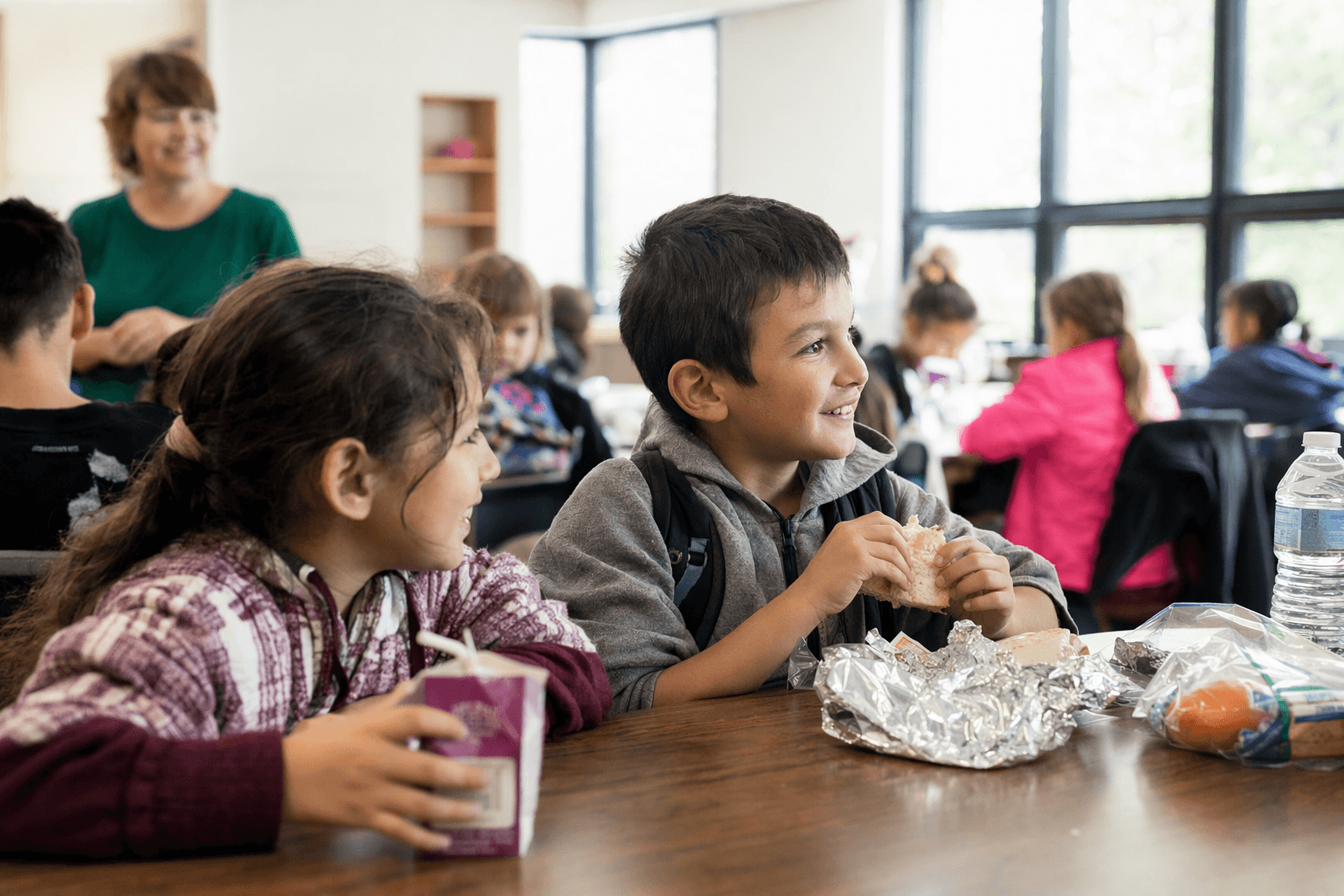
The meal categories are practical, not flashy: breakfast items, vegetables, fruit, protein-rich dishes and snacks. The program is designed for children who may not have access to nutritious meals at home when school is out, and Blue Ridge is channeling those meals through places families already use, including Boys & Girls Clubs, summer school programs, churches and recreation programs. That matters because summer hunger is not a sudden crisis. It is a predictable annual shift in demand, and the sites have to be where children already are.
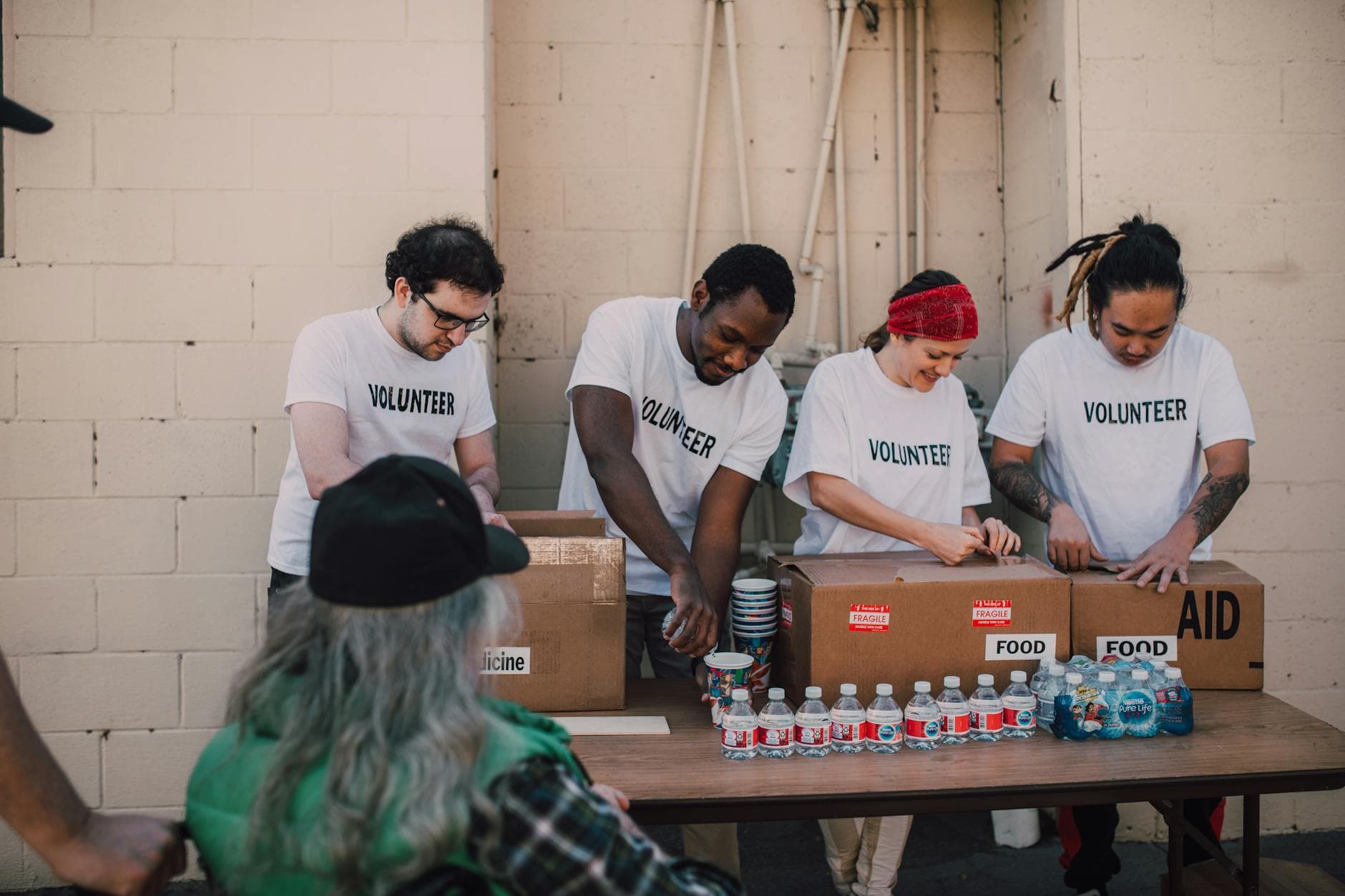
For organizations that depend on volunteers and partner logistics, the Blue Ridge model is a useful reminder that summer support works best as a network, not a single drop-off point. Blue Ridge says it serves 25 counties and 8 cities through more than 400 community partners and program sites, which helps explain how a 23-location rollout can happen at all. The multi-site structure spreads responsibility across local touchpoints, giving staff and partners a clearer way to manage site coverage, food delivery and day-to-day participation as school meals pause.
That kind of planning also affects the wider food-recovery ecosystem. When schools close, pantry demand often rises, volunteer schedules change and employers that support community service may see workers redirect time toward food distribution, route support and site help. For neighborhood-based groups like A Simple Gesture, the lesson is operational: seasonal hunger campaigns work when they are concrete, with named sites, clear calendars and a realistic estimate of who will be served.
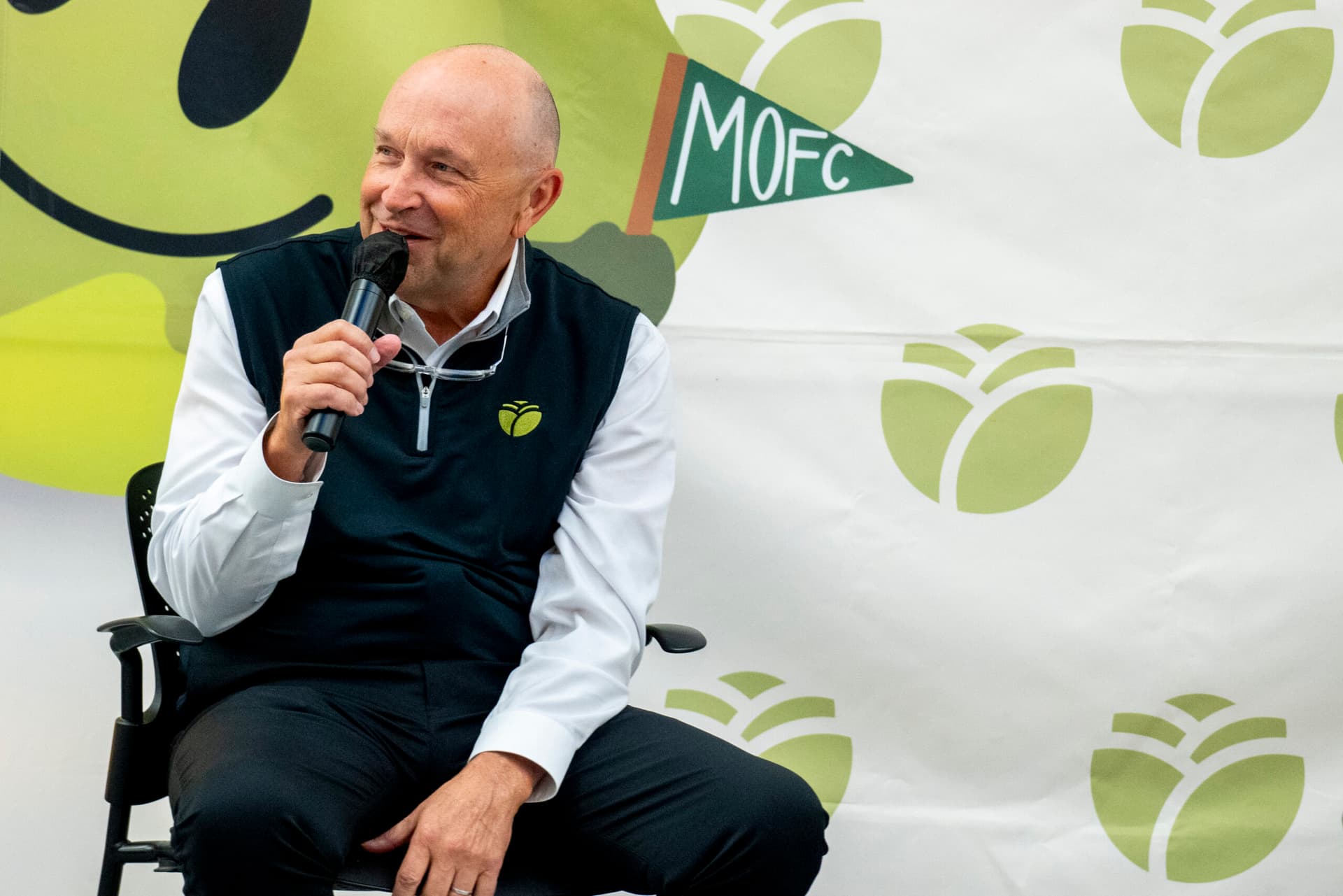
Blue Ridge has also framed the summer effort inside a broader organizational shift. Kari Jorgensen Diener became CEO on Aug. 4, 2025, and the food bank held a Spring 2026 CEO forum about moving from emergency response to enduring change. In that context, summer meals are not a standalone outreach burst. They are part of a larger system built to absorb a predictable need year after year.
Know something we missed? Have a correction or additional information?
Submit a Tip