Home delivery becomes a lasting food-access channel, with new funding models
Home delivery is no longer a pandemic patch. It now survives on route design, partner money, and the labor planning A Simple Gesture already knows.
Home delivery has become the new baseline
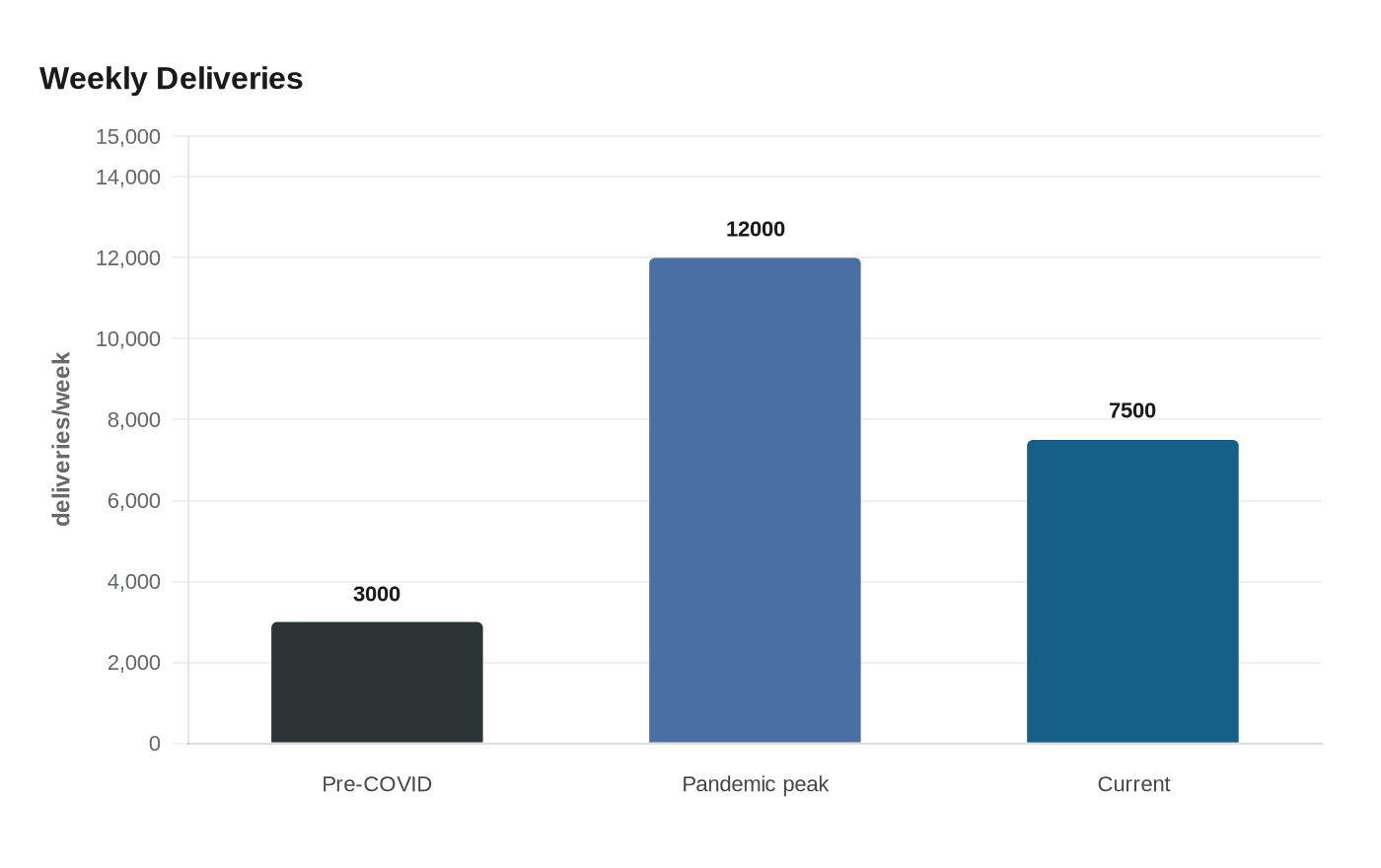
What looked temporary during the pandemic has settled into something more durable: a standing food-access channel that depends on operations discipline as much as goodwill. San Francisco-Marin Food Bank is still making about 7,500 grocery deliveries a week, a volume that is down from roughly 12,000 at the height of the pandemic but still far above the about 3,000 weekly deliveries it handled before COVID-era demand rewired the system.
That shift matters because home delivery is not just a service choice anymore. It is a labor model, a routing problem, a technology problem, and a funding problem all at once. The people doing the work include staff who coordinate the program, drivers who move groceries, volunteers who support recurring routes, and outside partners who now help keep the whole thing from fraying.
The money behind the miles
The clearest sign that home delivery has moved past emergency mode is the money attached to it. In October 2025, San Francisco-Marin Food Bank said Amazon would commit $2.4 million over three years, through June 2028, to support its Home Delivered Groceries program. That kind of support is a reminder that delivery is expensive even when the food itself is donated or procured at scale. Vehicles, scheduling software, fuel, packing, handoffs, and the staff time to keep all of it synchronized do not disappear just because a crisis has eased.
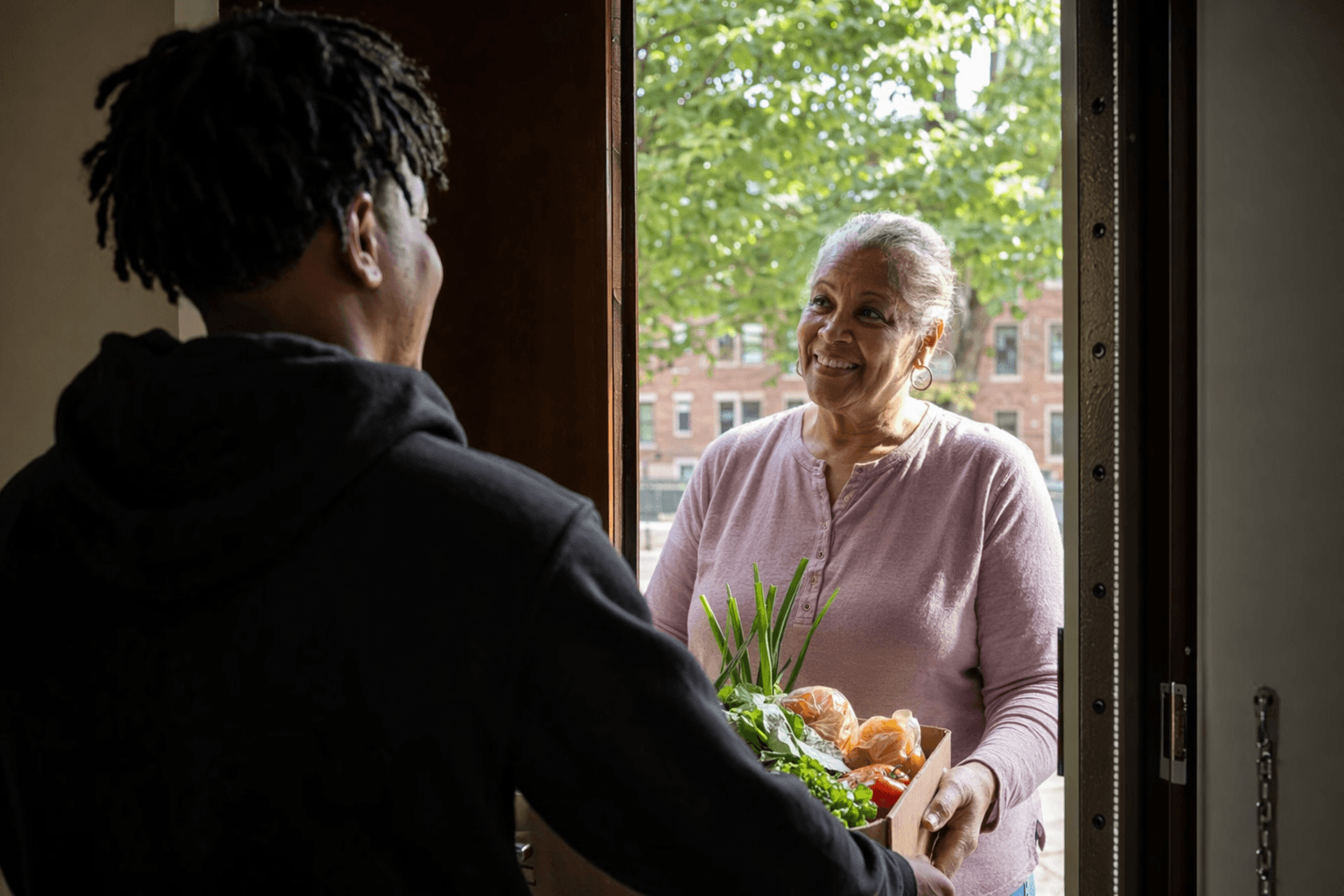
The food bank’s own scale shows why this is now an operations story. Reporting has put the program at about 1,000 home deliveries a day, with Amazon handling a large share of those deliveries. Third-party partners like Amazon and DoorDash have become critical to keeping routes alive, and in one example those platforms handle about 60 percent of a food bank’s deliveries. That is a meaningful clue for any nonprofit trying to protect a doorstep model: the work no longer belongs to volunteers alone, and it probably never could at this volume.
For organizations like A Simple Gesture, the lesson is straightforward. A porch-pickup network can look simple from the outside, but its real durability depends on recurring donors, dependable drivers, and a funding base that can absorb the cost of coordination. Without that, the model becomes a collection of good intentions tied together by too few people doing too much.
Who gets served, and why the channel sticks
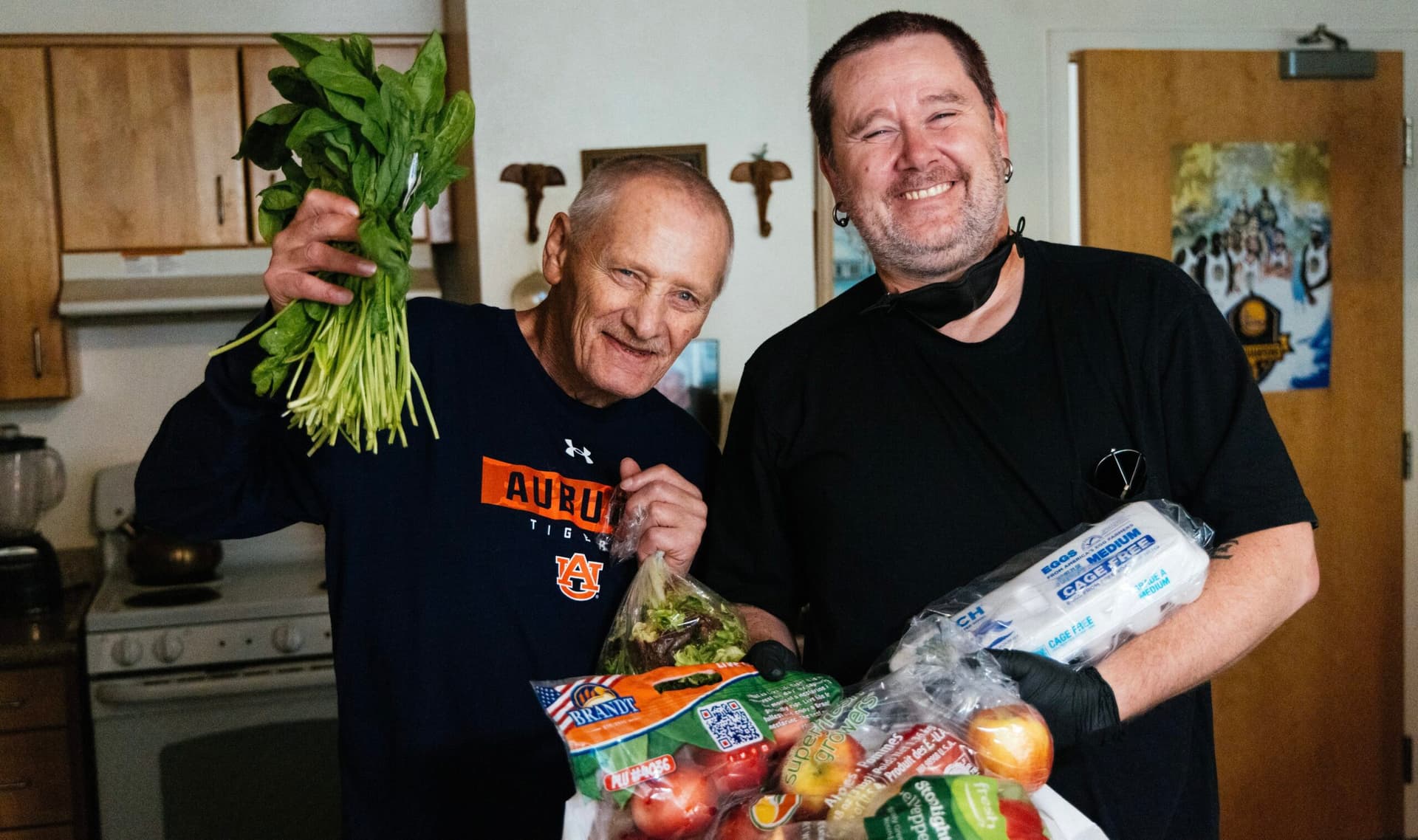
San Francisco-Marin Food Bank says its Home Delivered Groceries program serves homebound seniors, people with disabilities, pregnant people, and others with limited access to food. That mix is important. It explains why home delivery kept its footing after the pandemic emergency phase ended: the need did not vanish when lockdowns did.

The category is also evolving beyond pure charity into something closer to public-health infrastructure. Feeding America says its Food as Medicine initiative includes 21 food banks working with health care providers, and those providers have screened more than 860,000 patients for food insecurity. A federal Health.gov brief adds another piece of the puzzle by describing home-delivered meals and pantry stocking as a Food is Medicine pathway for people with nutrition-sensitive conditions.
Taken together, those developments suggest a future in which delivery routes are not just a pantry convenience. They are part of care delivery. That opens the door to new money, but it also raises the stakes for every missed pickup, every routing gap, and every driver shortage. Once food access is built into health strategy, the operations have to be steady enough to behave like infrastructure.
What this means for the people running the system
The home-delivery model is increasingly a cross-sector labor arrangement. Food bank staff handle the program design and partner management. Logistics companies and platforms carry part of the delivery load. Health systems and public-health partners may help justify the spend. Volunteers still matter, but they are no longer the only reason the program exists.
That changes recruitment and retention. It is easier to recruit people for a one-day volunteer event than for a recurring route schedule that needs consistency over months. San Francisco-Marin Food Bank has said it wants more corporate delivery partners and volunteers who can commit to regular shifts over several months, which is a telling detail: reliability has become as valuable as enthusiasm.
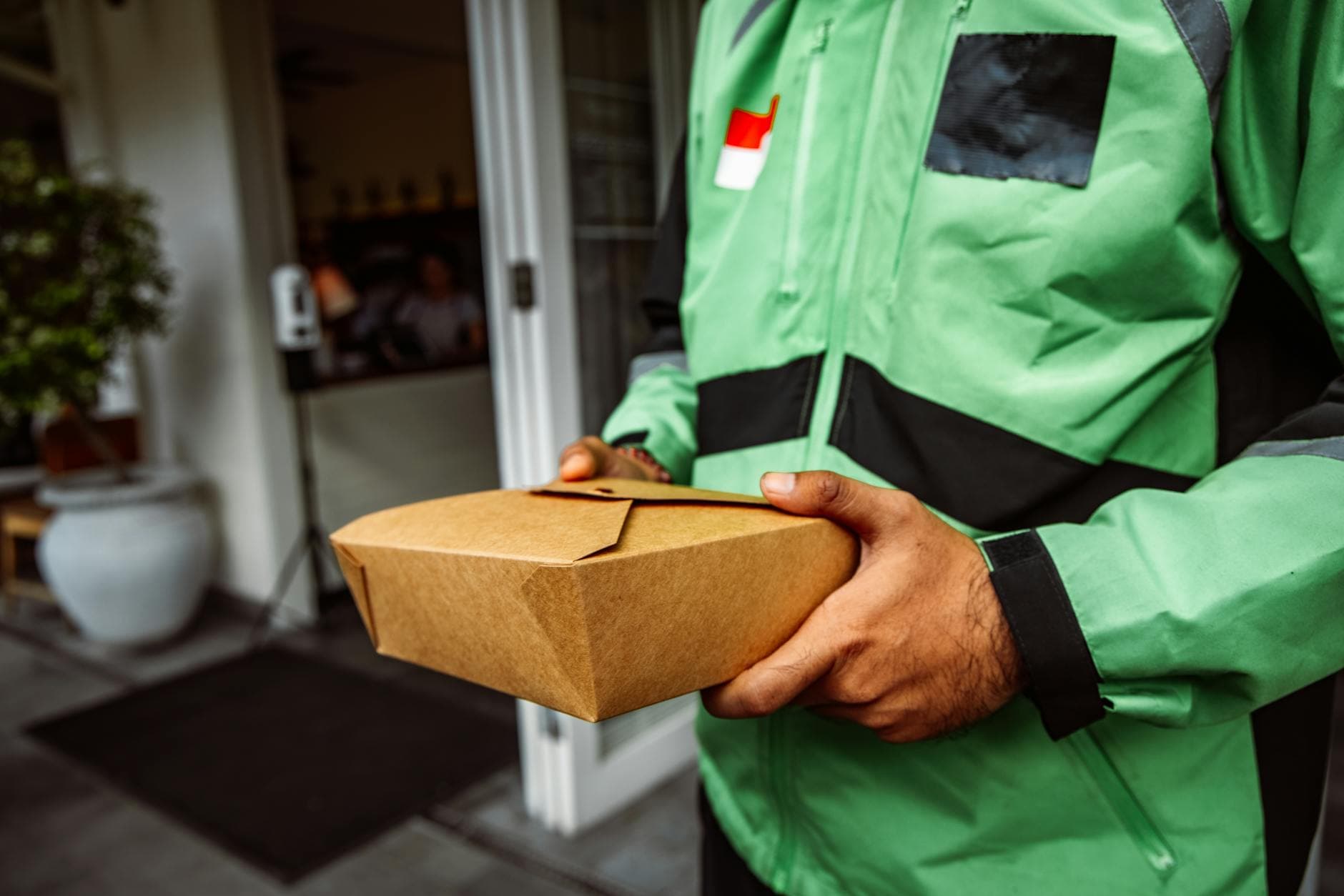
The same logic applies to A Simple Gesture. A recurring porch-pickup system only works when donors set out bags on schedule, volunteer drivers know their routes, and pantry partners can receive food without bottlenecks. That is not a side note to the mission. It is the mission, translated into logistics.
A Simple Gesture’s model already points in this direction
A Simple Gesture began in 2011 in Paradise, California, founded by Jonathan Trivers, and says its model has since been replicated by more than 70 chapters nationwide. The organization says it has more than 1,700 food donors and volunteer drivers who help collect over 132,000 pounds of food each year, with donated food moving directly to food banks and pantries rather than sitting in intermediate storage.
That direct-to-pantry structure is exactly why the organization belongs in this broader home-delivery conversation. A Simple Gesture is already operating in the space where convenience, reliability, and route discipline meet. Its local Reston, Virginia chapter describes a bi-monthly porch-pickup system, which shows how the model scales through recurring habits instead of one-off drives. That rhythm is also the hardest part to preserve, because every chapter has to keep volunteers engaged, routes covered, and pantry relationships strong enough to absorb the flow.
It also places A Simple Gesture among a growing set of porch-pickup models, including PACS and PORCH Communities, that depend on the same operational truth: food recovery works when collection is routine, low-friction, and tightly linked to downstream need.
The real takeaway for the next phase
The big change is not that home delivery survived. It is that it now needs a funding and labor model that looks permanent. Amazon’s three-year commitment, the spread of Food is Medicine partnerships, and the continued use of DoorDash and other delivery infrastructure all point in the same direction: the service is being redefined as part of long-term access, not short-term crisis response.
For A Simple Gesture, that means resilience will come from documenting workflows, diversifying partners, and treating route coordination as core infrastructure. The organizations that last will be the ones that can keep donors, drivers, pantries, and funders aligned after the emergency narrative has faded.
Know something we missed? Have a correction or additional information?
Submit a Tip