California food recovery law turns surplus into nonprofit opportunity
SB 1383 turns food rescue into a scheduled, contracted operation, giving nonprofits like A Simple Gesture more reliable donations but stricter coordination demands.
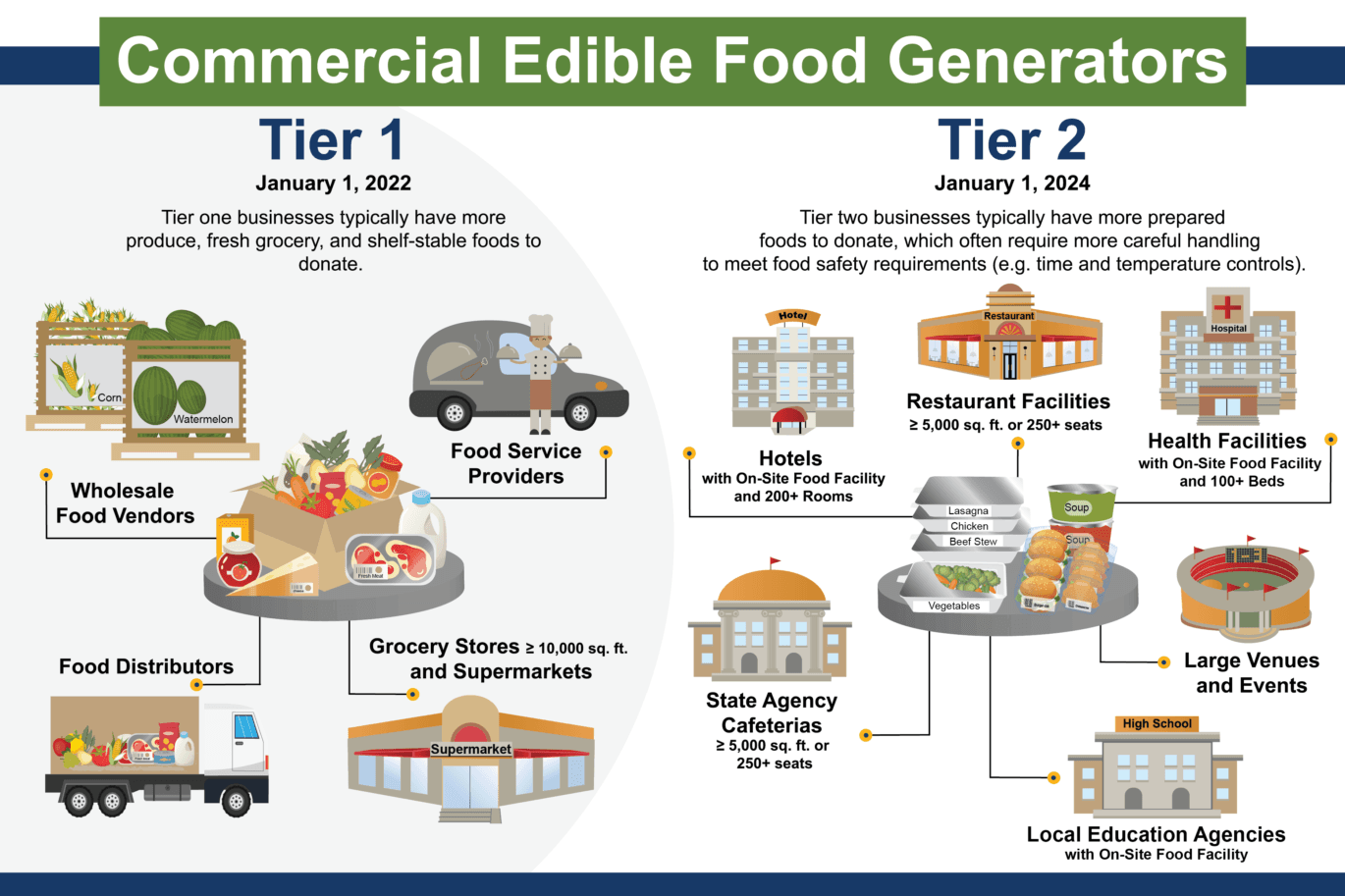
On January 1, 2022, SB 1383 put California food recovery on a contract-and-reporting schedule. Businesses, counties, haulers, and nonprofits now work from a shared operating model, with contracts, reporting dates, and clearer responsibilities for who moves edible food to people instead of disposal. For A Simple Gesture, that shift matters because reliable pickup routes and pantry handoffs now sit inside a larger compliance system, not just a goodwill network.
How SB 1383 changes the workflow
SB 1383 was signed into law in 2016. The law requires California to recover 20% of currently disposed edible food for human consumption by 2025, alongside broader organic waste reduction targets. It requires food generators to arrange recovery of surplus edible food by establishing a contract or written agreement with a food recovery organization.
That contract-based structure changes the everyday work of donor relations. A business that once treated surplus as an occasional donation now has to think in terms of predictable pickup, documented handoff, and the maximum amount of edible food that can still be put to use. The operation is both a climate task and a logistics task because the law is aimed at reducing methane from landfilled organic waste.
What that means for A Simple Gesture
A Simple Gesture already depends on a system that only works when volunteers, coordinators, and pantry partners stay aligned. The green bag model, with doorstep donations and route-based collection, succeeds when pickup timing is dependable and receiving organizations know what is coming in. SB 1383 pushes the same discipline that a neighborhood nonprofit already needs: scheduled collection, clear communication, and enough capacity to move food quickly.
A route that runs on time, with the right bags and the right handoff process, is easier to sustain than a loose stream of ad hoc donations. The more businesses are pushed into formal recovery arrangements, the more a nonprofit has to behave like a dependable service provider, not just a volunteer bucket brigade. That means more attention to pickup coverage, training, food safety practices, and the pantry partnerships that determine whether food is accepted and distributed efficiently.
The law also changes donor expectations. When businesses know they are supposed to recover edible surplus, the conversation becomes less about charity campaigns and more about compliance, documentation, and regularity. For A Simple Gesture, that can support steadier incoming volume, but it also raises the bar on internal coordination. If donations are more predictable, route planning can become more efficient, but only if the nonprofit can track where food is coming from, who can receive it, and how often those handoffs can be sustained.
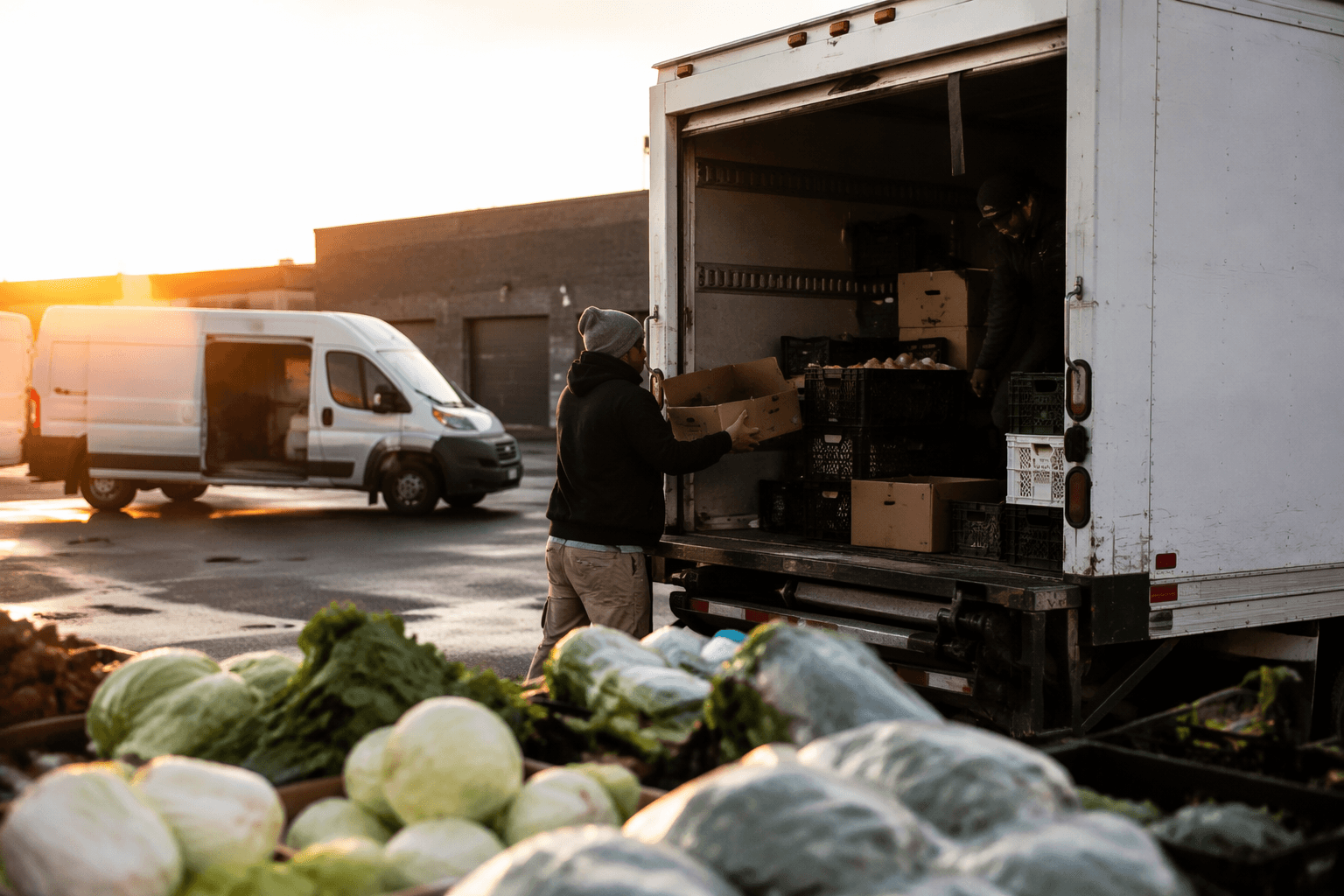
Santa Clara County shows what formal coordination looks like
Santa Clara County’s implementation program shows the countywide structure. Food recovery operates across municipal lines, which is exactly the kind of environment where a nonprofit like A Simple Gesture has to keep routing and relationships tight.
The county also set deadlines that turn the law into a recurring administrative cycle. Tier One edible food recovery reporting begins each year by May 1, starting May 1, 2023, and covers the prior calendar year. Tier Two reporting begins each year by May 1, starting May 1, 2025, and also covers the prior calendar year. Those deadlines create the kind of calendar pressure that many nonprofits know well: if the data are not clean, the partnerships are not documented, and the pickups are not tracked, the system becomes harder to manage.
CalRecycle has hosted webinars on capacity planning and later sessions on sustainable funding for food recovery organizations and services. Implementation also depends on the receiving side being able to absorb the food. Joint Venture Silicon Valley’s Food Recovery Initiative supports organizations, businesses, and governments working to make the most of surplus food, and Santa Clara County’s program materials identify it as helping manage the edible food recovery requirements of SB 1383.
The scale is now measurable
In an August 6, 2024 news release, Santa Clara County said nearly 14 million pounds of surplus food were donated during the second year of the new food recovery regulations. The county also said 2023 food donations under SB 1383 increased 20% from the previous year as businesses expanded their programs.
When the volume grows, the receiving side has to be ready too, with storage, sorting, and distribution practices that keep food moving fast enough to matter.
This article was produced by Prism’s automated news system from verified source data, official records, and press releases, then run through automated quality and moderation checks before publishing. The system is built and supervised by the people who set the standards it runs under. Read our full AI policy.
Did this article answer your question?