Food Rescue Hero webinar library helps A Simple Gesture train staff
Food Rescue Hero’s webinar archive can double as a low-cost training system, giving A Simple Gesture a playbook for volunteers, routes, donors and compliance.
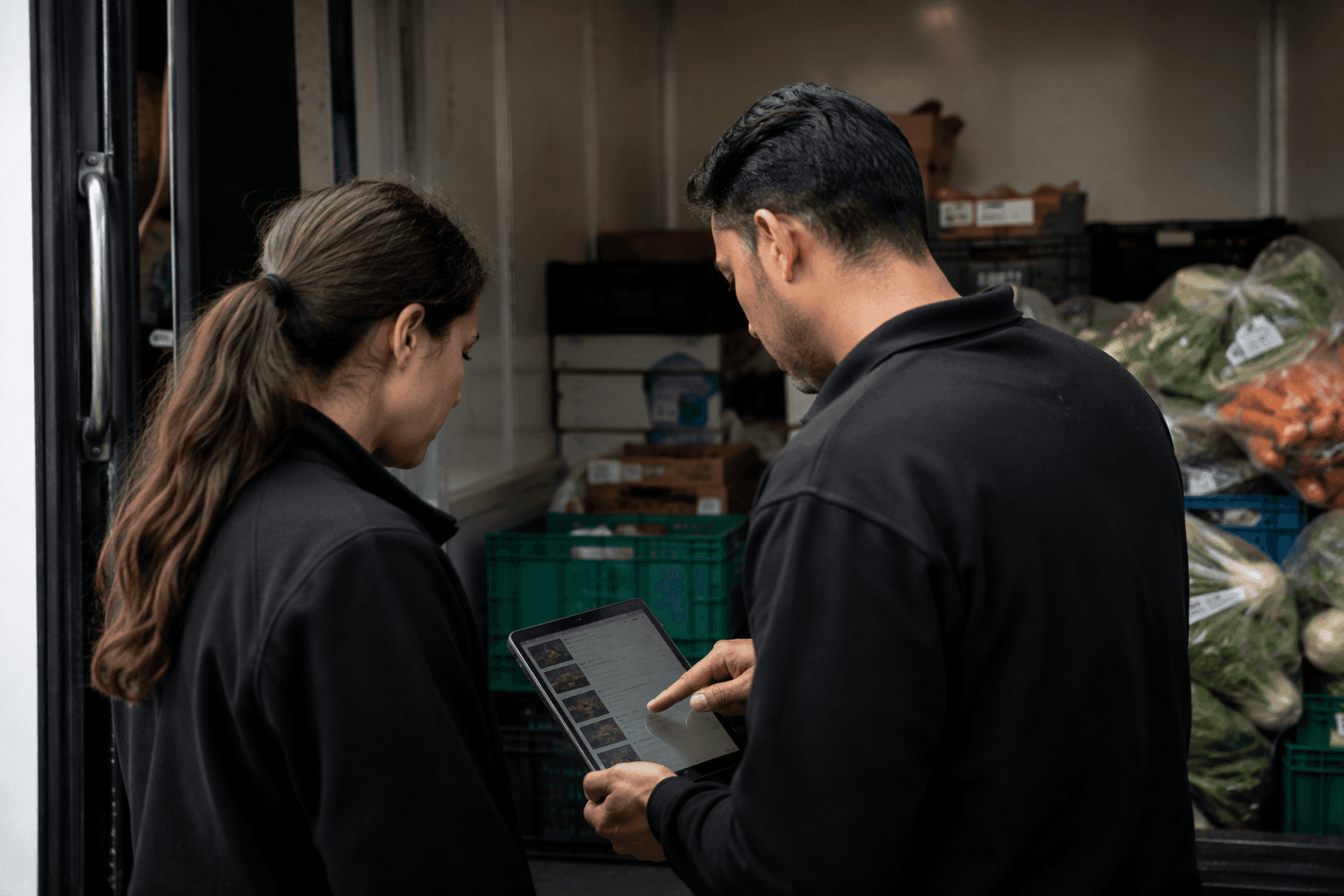
Food Rescue Hero’s webinar hub gives A Simple Gesture a ready-made training library for onboarding, refresher lessons and problem-solving without sending people to a conference. It is built for existing nonprofits that already run food recovery work, and for groups that want to start a food rescue in their community.
A training library built for the realities of food recovery
Food recovery work depends on repetition, coordination and trust. Food Rescue Hero also promotes Food Rescue University, where partners can learn to launch and scale effective food recovery programs.
A pickup route is only one piece of the job; the harder work is keeping volunteers consistent, donors informed, pantries supplied and staff aligned when schedules shift or neighborhoods present different challenges. A webinar library gives coordinators a way to standardize that knowledge instead of reinventing it with every new hire or volunteer cohort.
What the sessions can fix tomorrow
The most useful value of the archive is practical, not inspirational. Food Rescue Hero has used its webinar programming to cover how to engage future food donor partners, optimize efficiency in food rescue operations, start a food rescue, build a strong board and volunteer team, improve equity through targeted distribution, and navigate federal realities and food rescue resilience.
That mix maps directly onto the operational problems A Simple Gesture deals with every week. A session on donor engagement can help staff sharpen outreach to neighborhood donors and strengthen pantry partnerships. A session on efficiency can help coordinators look hard at route timing, pickup density and handoff procedures so a green bag route does not lose time between porches, vehicles and receiving sites.
The same archive can also support compliance and continuity. A webinar on federal realities gives teams a way to talk through the rules and pressures that shape food rescue work, while a session on resilience can help a chapter think about what happens when volunteer supply dips, weather disrupts a route or a pantry changes receiving hours.
Why volunteers need the bigger picture
For volunteers, training on donor relations, food rescue systems or community impact can connect the basics, like punctuality and communication, to the larger goal of getting good food from a doorstep into a pantry without waste or confusion.
Food Rescue Hero’s 2022 webinar, “Volunteers Deliver: the Power of Community to Grow & Scale Food Recovery,” is a good example of how the organization has framed volunteer labor as central to the model for years. That message fits a program like A Simple Gesture, where volunteer recruitment and retention are not just staffing issues but operational ones. If people understand how a missed pickup ripples through a route, a donor relationship and a pantry delivery, they are more likely to stay engaged and take the work seriously.
The training archive can also help new volunteers learn the culture of the job before they ever head out on a route. In a neighborhood-based system, the work is as much about steady communication and respectful interaction as it is about moving bags. Webinars can give people a clear picture of what good looks like before they are asked to deliver it.
Why the archive matters for A Simple Gesture’s scale
A Simple Gesture has enough history that small process changes can have real cumulative effects. A Simple Gesture was started in 2011 by Jonathan Trivers in Paradise, California, and its Guilford County site states its mission is to engage the community to end hunger in Guilford County. It had been collecting food and distributing it to local food pantries in Guilford County since 2015, and the organization later said on Facebook that it was approaching 10 million child-size meals collected for Guilford County since that 2015 start.
When a program is moving food at that volume, a better route handoff, a clearer volunteer script or a stronger donor follow-up process can affect thousands of pickups and pantry deliveries over time. The organization’s own food-recovery pages use the tagline “Feeding not Wasting” and say it is “Delivering food with a purpose.”
The current program structure requires shared knowledge across chapters and roles. A Simple Gesture’s website now includes programs such as Green Bag Food Donor and Food Recovery, which means staff have to explain the model to donors, route volunteers and community partners in a way that stays consistent. A webinar archive from Food Rescue Hero gives chapters a low-cost way to build that common baseline and keep the work moving without depending on memory alone.
A practical fit for a neighborhood food network
A Simple Gesture’s history, from Paradise to Guilford County, and its presence in places such as Greensboro and High Point, shows how local food recovery can grow into a broader community system. The more the model expands, the more it needs repeatable training that can be used when a new volunteer starts, a route changes or a chapter wants to tighten its pantry partnerships.
This article was produced by Prism’s automated news system from verified source data, official records, and press releases, then run through automated quality and moderation checks before publishing. The system is built and supervised by the people who set the standards it runs under. Read our full AI policy.
Did this article answer your question?