Clear volunteer roles help A Simple Gesture reduce confusion and risk
Clear role definitions keep A Simple Gesture’s pickups safer, faster, and less confusing as volunteer duties stretch from driving to pantry delivery.
Why this matters now
A Simple Gesture runs on goodwill, but goodwill alone does not tell a driver what to do when a pickup changes, a route opens up, or a new volunteer shows up ready to help. The Nonprofit Risk Management Center’s basic advice is blunt and useful: document volunteer roles, responsibilities, and reporting lines in position descriptions or Volunteer Agreements. For a food recovery nonprofit that moves food from donor doorsteps to pantries, schools, and other community partners, that is not paperwork for its own sake. It is how you keep confusion from becoming a missed pickup, a safety problem, or a frustrated volunteer who never learned what success looks like.
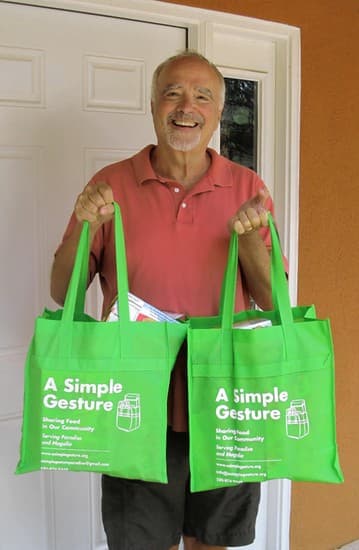
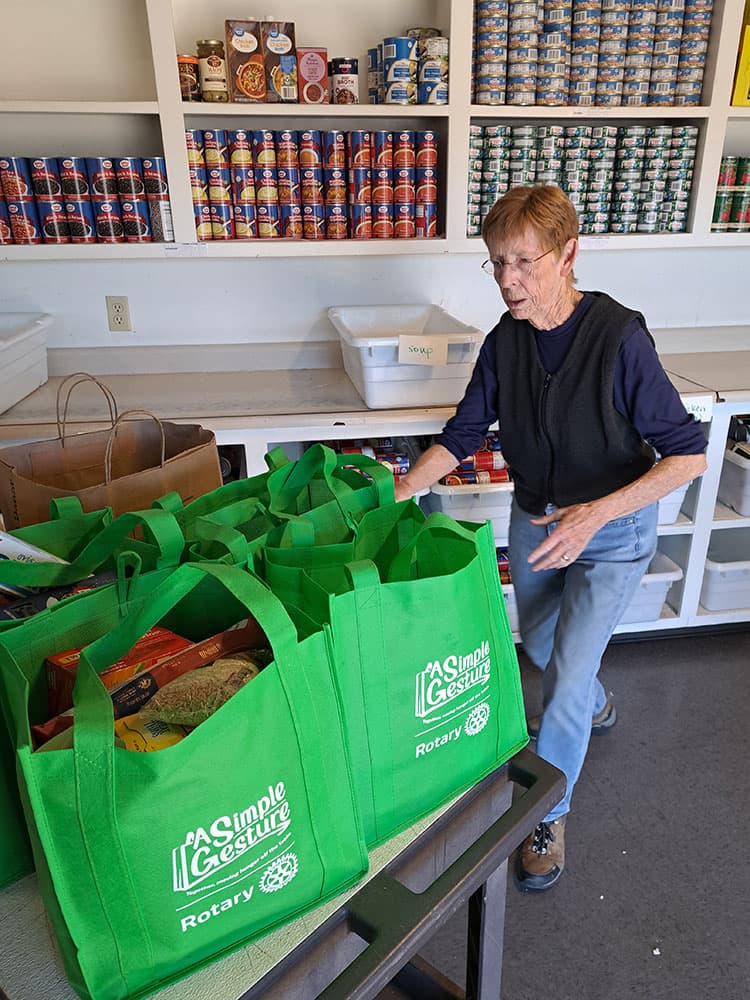
The organization’s own model makes the case. A Simple Gesture says its mission is to make it easy for people to help feed their neighbors, and its partner materials describe a network that collects nonperishable food from donors’ doorsteps and delivers it to local food pantries, schools, and nonprofits. That means one volunteer may handle a route, another may organize a food drive, and a third may interact with pantry partners or help with communications. Without written distinctions, the work can blur fast.
Start with the clearest job descriptions you can write
The first decision for managers is simple: define what each volunteer role actually does. The risk management guidance says the organization should document what volunteers will do and whether the expectations are reasonable. That matters at A Simple Gesture because the program can include very different tasks with very different risk levels. A driver, for example, has different responsibilities than someone organizing a food drive, and both are different again from someone coordinating routes or helping with events.
That distinction is not just about efficiency. It helps leaders decide which tasks belong in a volunteer role at all and which ones need tighter screening, more supervision, or a staff sign-off. Clear job descriptions also make onboarding easier, especially as A Simple Gesture grows across chapters and neighborhoods. Volunteers do not need a handbook that reads like a legal memo, but they do need enough clarity to know whether they are expected to pick up green bags, sort donations, call donors, or manage a route change.
Separate low-risk help from higher-risk work
The practical test for any volunteer program is not whether people are willing to help. It is whether the organization is assigning the right person to the right task. A Simple Gesture’s Guilford County get-involved page points to two examples of volunteer work: serving as a driver or organizing a food drive. Those are useful examples because they are not the same job, and they do not carry the same level of exposure.
Driving can involve unfamiliar neighborhoods, time pressure, parking, weather, and direct contact with donations at private homes. Organizing a food drive is different, but it still requires coordination and follow-through. Written role definitions help staff make the judgment call that matters most: who is ready for a route, who should stay in a support role, and who needs more structure before they take on a higher-risk assignment. For a food recovery organization, safety and reliability both depend on those boundaries being clear.
Supervision should match the work, not the habit
A common failure point in volunteer programs is assuming every role can be supervised the same way. The guidance from the Nonprofit Risk Management Center pushes managers to ask whether reporting relationships fit the organization’s current needs. That is especially relevant when a nonprofit grows from a small volunteer group into a broader network of drivers, coordinators, and pantry partners.
A Simple Gesture’s own history shows why. One partner page says the model began in 2011 in Paradise, California, with Jonathan Trivers and has since been replicated by more than 70 chapters nationwide. Another version of the organization’s materials says there are more than 60 chapters across the country and that the network has provided over 7 million meals. Once a model reaches that scale, informal supervision stops being enough. Managers need to know who answers to whom, who can approve a route change, and who steps in when a volunteer is unsure about a pickup or delivery.

That is especially true in programs like A Simple Gesture - Reston, where the work is described as bi-monthly, meaning six times a year, and volunteers deliver food directly to pantries rather than storing or distributing it themselves. That direct-to-pantry model reduces one set of responsibilities while increasing the need for coordination with food bank partners. The more the work depends on timing and trust, the more important clear reporting lines become.
Screening should fit the task, not the title
The risk management guidance also points to a broader habit that nonprofits often miss: not all volunteers need the same screening, but every role should be matched to its risk. A Simple Gesture’s structure makes that obvious. A food drive organizer may need one kind of orientation. A driver entering neighborhoods and handling donor bags may need something more detailed. The issue is not distrust. It is fit.
That fit also protects the culture. Written expectations make it easier to welcome new people without turning the organization into an informal club where everyone learns the rules by accident. In a food recovery operation, that matters because trust and reliability are part of the service. If a volunteer does not know whether they are expected to leave donations on a porch, bring them to a pantry, or wait for a coordinator’s call, the whole chain gets shaky.
Write the incident procedure before you need it
Every volunteer program needs a plain answer to the question: what happens when something goes wrong? That can mean a missed pickup, damaged food, a safety concern on a route, or a volunteer who arrives at the wrong address. The value of written roles is that they make incident handling faster because everyone already knows who is responsible for what.
For A Simple Gesture, that is especially important because volunteers may touch several parts of the operation over time, including pickups, route coordination, sorting, communications, or events. If a problem occurs, the organization should not have to improvise from scratch. Leaders should know which tasks are handled by volunteers, which ones require staff escalation, and which ones should never be left to memory. That is how a program protects staff time while keeping the volunteer experience consistent across chapters or neighborhoods.
Scale makes clarity more important, not less
A Simple Gesture’s own growth is the best argument for tightening volunteer roles now. Arlington Community Food Bank says its A Simple Gesture program began in 2015 with just six families and grew by 2022 to 650 donors and 100 volunteers. That kind of expansion is exactly when informal norms start to fail. What worked when a handful of households and a few helpers were involved can become a mess once the route map widens and the volunteer pool gets deeper.
The lesson is not that bureaucracy is good. It is that ambiguity is expensive. Clear volunteer agreements, sharper supervision, and task-specific screening help A Simple Gesture keep its mission moving faster and with fewer mistakes. In a program built on doorstep generosity, the real operating advantage is knowing, before the next pickup starts, exactly who is doing what and what happens if something changes.
This article was produced by Prism’s automated news system from verified source data, official records, and press releases, then run through automated quality and moderation checks before publishing. The system is built and supervised by the people who set the standards it runs under. Read our full AI policy.
Did this article answer your question?