Community hub model transforms food pantries into one-stop support centers
Pantries that add jobs, referrals, and intake support are becoming neighborhood hubs, and A Simple Gesture’s delivery network is built to feed that model.
Food pantries are no longer just places to hand out boxes. More are becoming neighborhood access points, where a family can pick up food and also connect to employment help, medical support, financial literacy, and other services under one roof. For A Simple Gesture, that shift changes the job from simply moving donations to helping keep a much larger support system reliable, organized, and easy to use.
The hub model changes what hunger relief looks like
The community-hub model is a response to a basic reality: food insecurity rarely travels alone. Households dealing with food shortages are often also juggling transportation problems, unstable work, housing pressure, and the paperwork and phone calls that come with trying to get help. When a pantry brings multiple services together, it reduces the number of stops a family has to make and lowers the chance they will fall through the cracks.
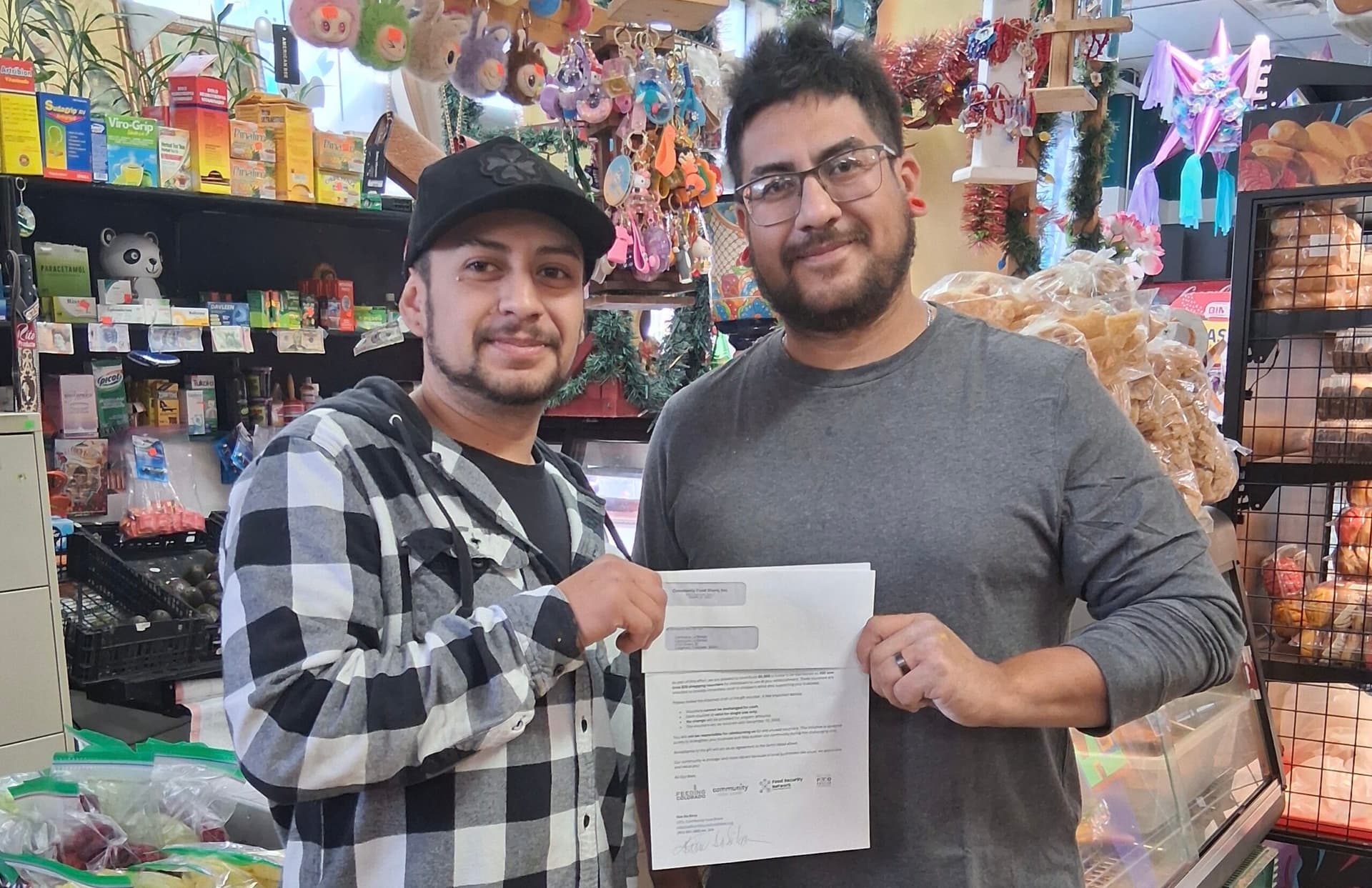
That is why the model is gaining traction among pantry operators. Feeding America’s learning materials say client-choice pantries can increase dignity, reduce stigma, and reduce food waste compared with prepacked distributions. Hunger Task Force in Milwaukee adds another piece: intake conversations matter because they can connect people to resources such as FoodShare and WIC. The message for frontline staff is clear. A pantry visit is no longer just a transaction. It is often the start of a broader referral path.
Why the broader safety net still needs food partners
The need behind these models remains large. USDA’s Economic Research Service reported that 12.8% of U.S. households, or 17.0 million households, were food insecure in 2022. Feeding America said its network of more than 250 food banks, over 20 statewide associations, and more than 60,000 agency partners helped provide 5.9 billion meals in the prior year. Those numbers show why food distribution is still a central part of the safety net, even as the service model around it gets more layered.
For employees and volunteers, that means the work is not becoming less important. It is becoming more interconnected. Food still has to move quickly, safely, and predictably, but now it must also fit into a system where intake desks, referral partners, signage, and traffic flow all shape the client experience. The stronger the handoff between food recovery and broader support services, the less friction families face when they arrive at a pantry in crisis.
What Loudoun Hunger Relief shows in practice
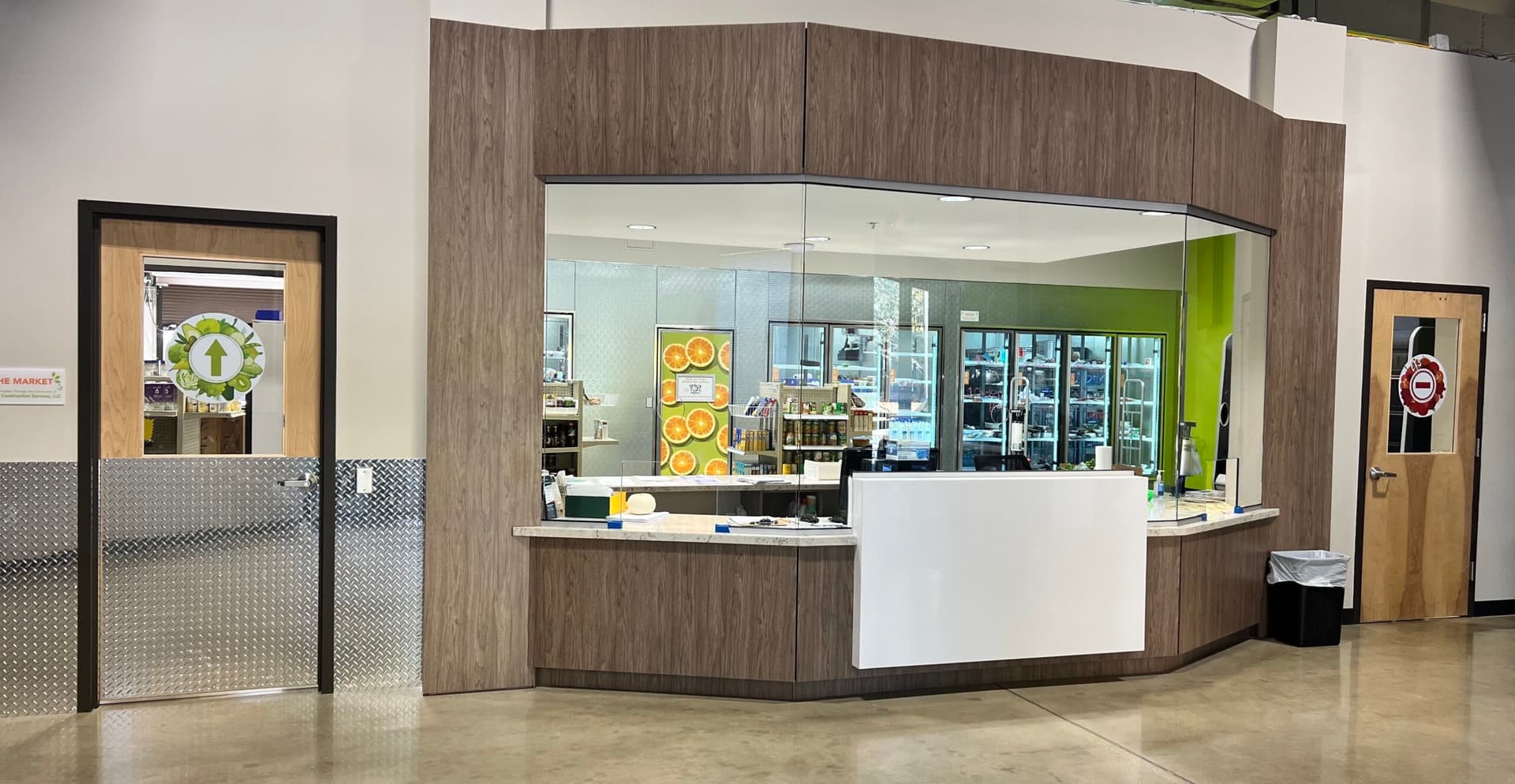
A useful real-world example is Loudoun Hunger Relief in Leesburg, Virginia. The organization opened its Community Services Center in September 2023, combining a grocery-style food market with co-located partners including Loudoun Literacy, Crossroads Jobs, and Loudoun Volunteer Caregivers. Jennifer Montgomery, the organization’s president and CEO, described the approach as a “no-wrong-door approach,” which captures the point of the model: families should be able to enter one place and find multiple forms of help without being bounced around.
The project was backed by a $3 million capital campaign, with the Claude Moore Charitable Foundation as the lead gift. That level of investment matters because community hubs do not happen by accident. They require space, planning, partner coordination, and a service design that respects the time and dignity of the people walking through the door. For pantry leaders, it is a reminder that better service often depends on infrastructure, not just good intentions.
What this means for A Simple Gesture’s delivery network
A Simple Gesture already operates like a feeder system for a broader hunger relief network. It says it partners with dozens of local food pantries in Guilford County, with a mission to provide a sustainable supply of food to local pantries, collect excess perishable food for nonprofits and community meals, and support the SHARE program in Guilford County Schools. As of December 2025, the organization said it had delivered more than 8,000,000 child-size meals worth $13,000,000 through 75+ pantry partners, 3,900+ recurring food donors, and about 200 monthly volunteers.
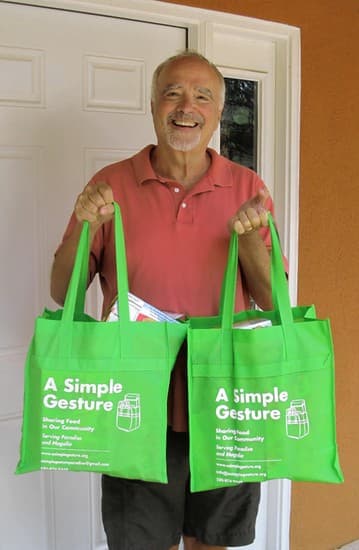
That structure fits neatly with the community-hub trend. When a pantry is also serving as a place for referrals and wraparound help, it needs steady inventory and dependable deliveries. A Simple Gesture’s green bag program, where donors leave bags on their doorstep, volunteers pick them up, replace the bag, and deliver donations to pantry partners, is built around predictability. For route coordinators, that means every missed pickup or late delivery has a downstream effect on a pantry that may already be managing intake, appointments, and partner services at the same time.
The operational lesson is simple: reliability is not a back-office virtue. It is part of the client experience. Pantry staff cannot run a hub model well if food supply is erratic, and volunteers cannot serve the system well if route handoffs are unclear. The smoother the collection and delivery process, the easier it is for pantry partners to focus on the people they serve instead of the next shortage on the shelf.
Volunteer roles are expanding beyond lifting boxes
The hub model also changes the shape of volunteer work. Traditional pantry support still matters, including warehouse sorting, loading, and delivery. But as pantries add social services, they may also need people who can handle reception, wayfinding, phone support, or community outreach. That is a meaningful shift for organizations like A Simple Gesture, where volunteer recruitment and retention depend on making roles understandable, useful, and connected to a larger mission.
For coordinators, that means matching volunteers to the right kind of service gap. Some people will be best suited for route work and donation logistics. Others may be more effective helping with intake navigation, organizing partner referrals, or supporting community-facing tasks that keep a hub welcoming and orderly. The more clearly a nonprofit explains why those roles matter, the easier it is to keep volunteers engaged over time.
The larger lesson for food recovery organizations
The community-hub model is not about asking pantries to do everything. It is about recognizing that food is often the entry point, not the finish line. The most effective organizations are building systems that are person-centered, not siloed, and that means connecting food distribution to information, referrals, and practical support.
That larger service philosophy also fits the work of the Administration for Community Living and the National Council on Aging, which promote “no wrong door” access points for long-term supports and benefits. Community hubs take that idea and localize it. They give families one place to start, and they make it more likely that help reaches people before the crisis deepens.
For A Simple Gesture, the takeaway is not to become a social-service agency. It is to be the kind of reliable food partner that makes a hub model possible. In a system where pantry partners are trying to do more for the same households, dependable collection, strong route coordination, and steady volunteer support are not background tasks. They are what keeps the whole network working.
This article was produced by Prism’s automated news system from verified source data, official records, and press releases, then run through automated quality and moderation checks before publishing. The system is built and supervised by the people who set the standards it runs under. Read our full AI policy.
Did this article answer your question?