Convoy of Hope expands summer feeding program to reach 200,000 children
Convoy of Hope is nearly doubling summer feeding to 200,000 children, adding 48,000 more than last summer as school meals disappear.
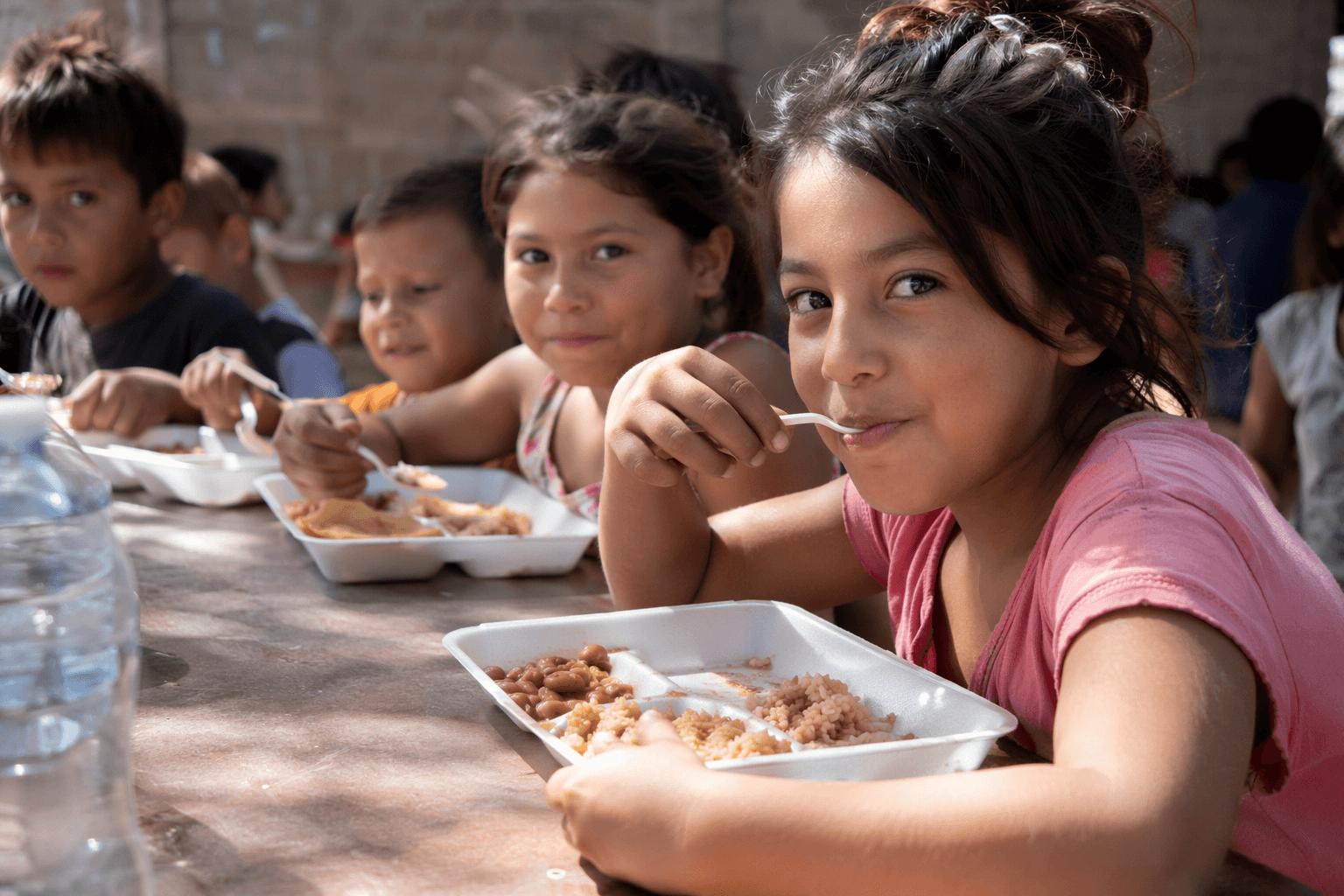
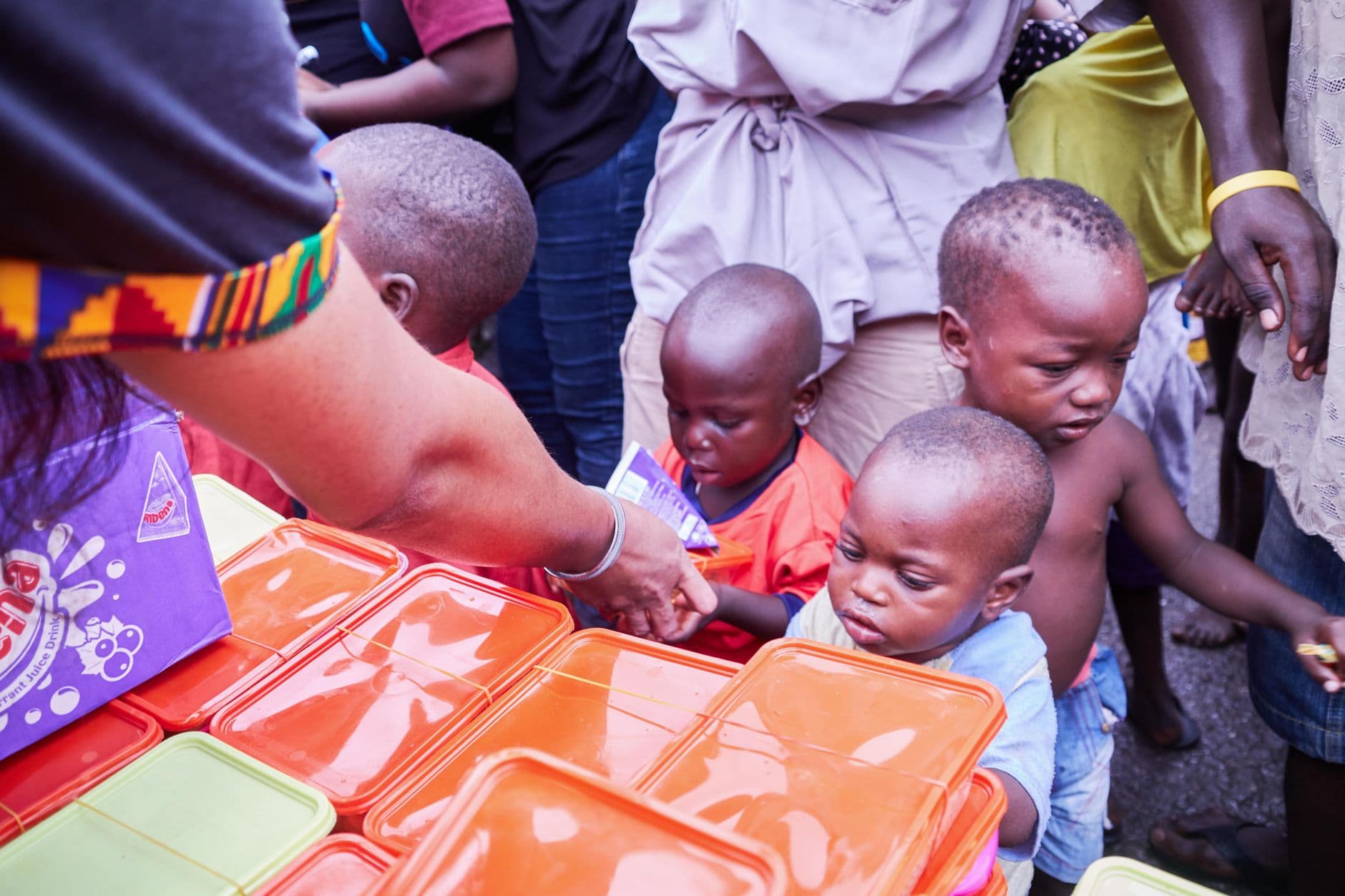
As school cafeterias shut down for the summer, Convoy of Hope is scaling a network built to keep children from falling into the grocery gap before fall. The nonprofit said its 2026 summer feeding effort will reach about 200,000 children through 420 distribution partners and 60 regional hubs, up from more than 152,000 children served last summer with 219 organizations across seven states.
The growth is not just a bigger count. Convoy’s model depends on a central fleet moving truckloads of specialized groceries into local pickup sites run by churches, schools and community partners, a setup that lets the organization extend reach without forcing families to travel far for help. For a food recovery operation, that is the real story: scale only works when warehouse timing, route planning and neighborhood handoffs line up.
The urgency is visible in the wider summer nutrition system. The USDA Food and Nutrition Service says SUN Meals are free for children and teens age 18 and under when school is out, with no application required, and some rural communities also offer SUN Meals To-Go. Eligible school-aged children can also receive SUN Bucks. Feeding America’s 2025 Map the Meal Gap study found nearly 20% of children in the United States experience food insecurity, and in some rural counties the rate is estimated as high as 50%.
Transportation remains one of the biggest barriers. No Kid Hungry’s 2025 summer materials say children may live far from free meal sites at schools, libraries and community centers, while parents may be working and unable to get them there. Convoy’s own June 2026 messaging put the scale of the problem in stark terms, saying more than 50 million children were heading into summer break and 14.1 million were losing access to reliable school meals. Frontline testimony from a local program coordinator and a parent also points to the hidden cost of summer hunger, including high grocery bills, underemployment and fuel expenses.
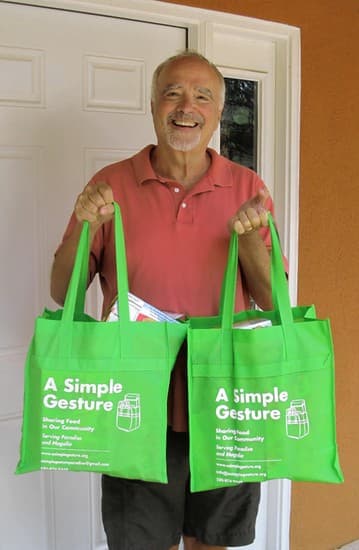
For A Simple Gesture and other doorstep donation programs, Convoy’s expansion is a reminder that summer hunger is an operational problem as much as a fundraising one. The difference between a pantry shelf that stays stocked and one that runs thin can come down to how well volunteers are recruited, routes are coordinated and partner sites are ready before the school year starts again. Convoy’s children’s feeding strategy has long paired meals with healthy environments, clean water and community partnerships, and this summer’s push shows how much that infrastructure matters when the calendar turns.
This article was produced by Prism’s automated news system from verified source data, official records, and press releases, then run through automated quality and moderation checks before publishing. The system is built and supervised by the people who set the standards it runs under. Read our full AI policy.
Did this article answer your question?