DOL clarifies when nonprofit volunteers are not hours worked
The DOL’s volunteer rule is simple on paper, but it can save nonprofits from costly role creep. At A Simple Gesture, the line matters most when good intentions start to look like unpaid staff work.
What the DOL is really saying
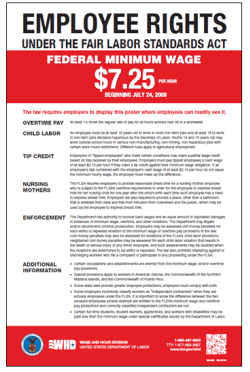
The Department of Labor draws a bright line that nonprofit leaders sometimes blur: if someone provides civic, charitable, or humanitarian service without any promise, expectation, or receipt of compensation, that time is generally volunteer time, not hours worked. That matters because the Fair Labor Standards Act brings minimum wage, overtime, recordkeeping, and youth employment rules with it, and covered nonexempt workers are entitled to at least $7.25 an hour plus overtime after 40 hours in a workweek.
The same framework also explains why nonprofits cannot treat every helper the same way. The DOL says the FLSA generally does not cover nonprofit organizations unless the work is tied to certain covered activities, such as a hospital, nursing home, school, or a commercial venture like a thrift store or gift shop. In other words, mission-driven does not automatically mean wage-law exempt. It means the organization has to know which activity is which.
Why this matters inside A Simple Gesture
A Simple Gesture runs on trust, repetition, and a lot of moving parts. In Guilford County, the organization says it partners with dozens of local food pantries, works with 3,900-plus recurring food donors, and relies on about 200 monthly volunteers to keep green-bag pickups moving and food flowing to local nonprofits. As of December 2025, it said it had helped donate more than 8,000,000 child-size meals, with a donated food value of $13,000,000.
That scale is exactly why volunteer rules need to be operational, not abstract. When a neighborhood food recovery network gets big enough to coordinate pickups, donor communication, pantry partnerships, and delivery logistics, the line between helping out and doing staff work can get fuzzy fast. A volunteer who starts by driving a route can quietly drift into recurring admin work, and a staff member who keeps “just one more hour” at a fundraiser can unintentionally create a payroll problem.
The cleanest takeaway for A Simple Gesture is this: volunteer programs stay healthy when the role stays voluntary, the tasks stay clearly defined, and the organization never treats goodwill as a substitute for labor planning.
Where the line gets crossed
The highest-risk moments are usually not dramatic. They are ordinary, familiar, and easy to excuse in the moment.
- A staff member stays late at a charity event and keeps doing hands-on work after the scheduled shift because the event is busy.
- A longtime volunteer begins answering donor messages, entering data, or coordinating pickups every week, and the work starts to resemble a regular job.
- A manager makes it sound as if helping after hours is expected, even if nobody says the word “required.”
Those situations matter because the DOL’s volunteer guidance turns on expectation as much as payment. If the arrangement carries a promise, pressure, or implied obligation, the organization can slip from volunteer service into compensable labor. That is the danger zone for a mission-heavy nonprofit, where people often say yes first and think about the labor category later.
What the law allows, and what it does not
The DOL does allow some flexibility. Volunteers may receive expenses, reasonable benefits, or even a nominal fee. What they may not receive is compensation that effectively turns the arrangement into paid work. That distinction is especially important for nonprofits that want to show appreciation without accidentally creating a wage relationship.
The law’s volunteer framework also has deep roots. Congress amended the FLSA in 1985 to make clear that people can volunteer their services to public agencies and their communities. The point was to preserve genuine volunteering, not to give employers a loophole for unpaid labor. That history still matters now, especially for organizations that depend on community energy to keep their missions moving.
The DOL’s nonprofit fact sheet makes another point that often gets overlooked: the law recognizes the public benefits of volunteering. It also says charitable contributions, membership fees, dues, and donations used to support charitable activities are not counted when determining whether an organization meets the dollar threshold for FLSA enterprise coverage. That is a reminder that nonprofit status and enterprise coverage are not the same thing, and that funding streams do not rewrite wage rules.

How A Simple Gesture can keep volunteer culture strong
For A Simple Gesture, the practical answer is not to make volunteering colder or more bureaucratic. It is to make it clearer. The organization can protect its culture by drawing lines before people cross them.
Start with role design. A food recovery volunteer should be a volunteer, not a shadow staffer who fills in wherever the work piles up. If someone on staff wants to help with a neighborhood food drive after hours, document that the help is optional, unpaid, and separate from the person’s regular job duties. If a longtime volunteer wants to take on more routine coordination, decide whether that is still volunteer service or whether it has become a staff function that belongs in a paid role.
Training matters just as much as paperwork. Supervisors should know that tone counts. “We really need you to stay and finish this” can sound like a requirement even when nobody intended it that way. Clearer language helps: “You are welcome to help if you want to, but this is not part of your job and there is no expectation that you stay.”
Why food recovery organizations are especially exposed
Food recovery nonprofits have a built-in risk of role creep because the work is both physical and relational. At A Simple Gesture, volunteers need to be 18 or older, able to lift 20-pound boxes, use a smartphone, use a clean personal car for pickups and deliveries, and wear closed-toe shoes. That is a real operational standard, not a symbolic one. It also means volunteer work is tightly connected to logistics, transportation, and timing, which are the same ingredients that make paid operations feel natural.
When a volunteer starts helping with route coordination, donor communication, or warehouse-style organizing, the role can shift from community service into recurring operational labor. That does not mean the volunteer program should shrink. It means the organization should define which tasks are truly volunteer-friendly and which ones belong under staff supervision, payroll, and job descriptions.
For A Simple Gesture, that kind of discipline is what makes growth possible. A network that can move more than 8,000,000 child-size meals, serve 75-plus pantry partners, and keep 200 monthly volunteers engaged has already proven it can scale. The next challenge is making sure the people who power that scale are classified and treated correctly.
The practical guardrails
A Simple Gesture and similar nonprofits can stay on the right side of the line with a few simple habits:
- Put volunteer roles in writing, including what the person will and will not do.
- Make clear that volunteer help is never tied to pay, scheduling leverage, or advancement.
- Separate staff duties from volunteer duties, especially in donor communication, data entry, and coordination work.
- Review any “extra help” arrangements at events, drives, or warehouse days before they become routine.
- Train managers to avoid pressure language that can turn a favor into an expectation.
The point is not to police generosity. It is to preserve it. When the boundaries are clear, volunteers can show up as volunteers, staff can protect their jobs, and a mission-driven operation like A Simple Gesture can keep growing without letting good intentions blur into wage-law risk.
This article was produced by Prism’s automated news system from verified source data, official records, and press releases, then run through automated quality and moderation checks before publishing. The system is built and supervised by the people who set the standards it runs under. Read our full AI policy.
Did this article answer your question?