Farmlink pushes hunger groups to share loads and strengthen logistics
Farmlink’s 33-org pledge turns food rescue into a shared logistics network. A Simple Gesture’s 75-plus pantry partners show why route timing and backup capacity decide what reaches tables.
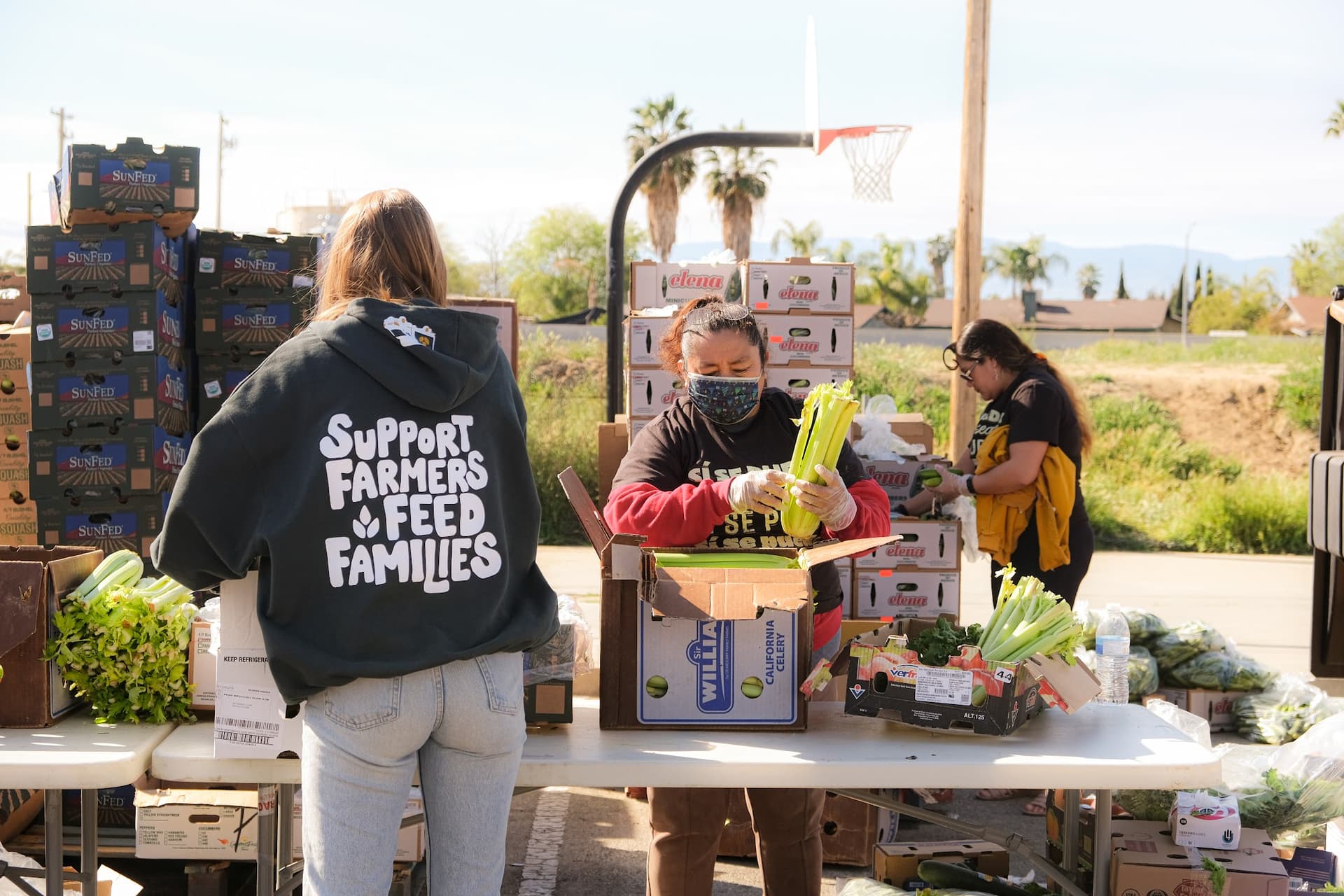
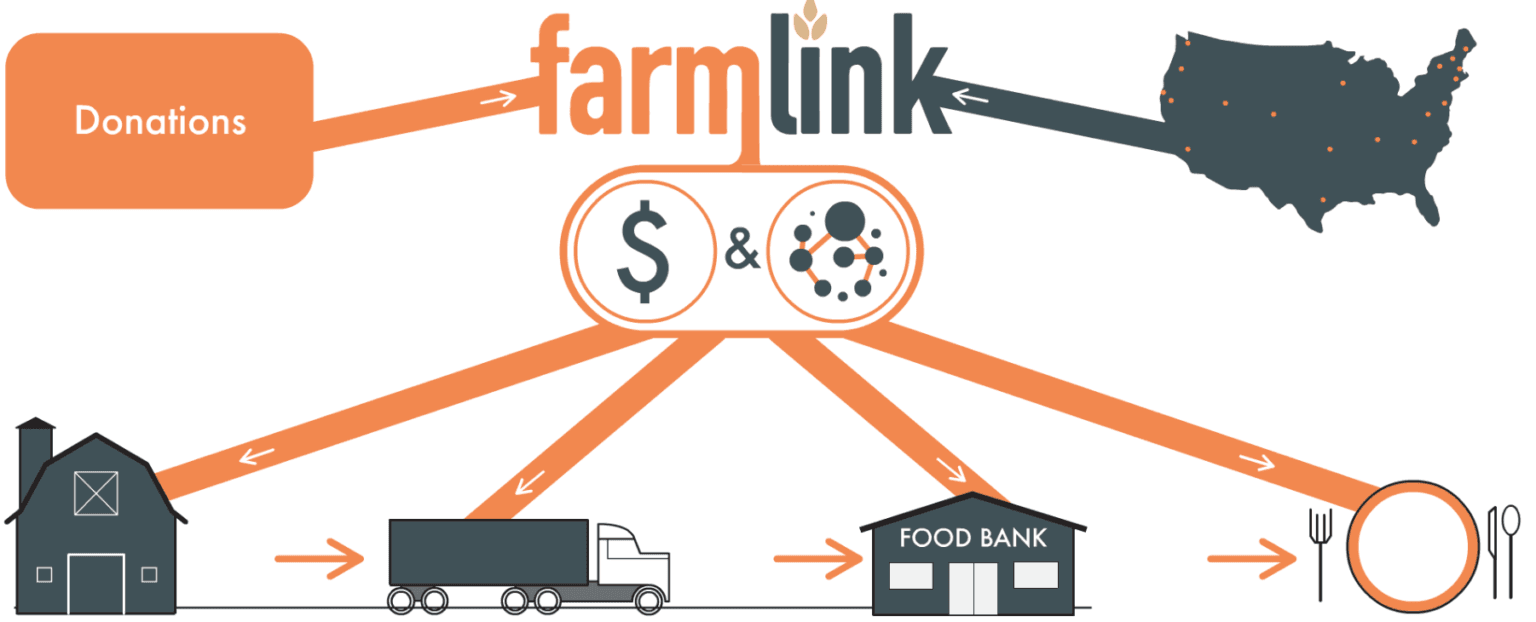
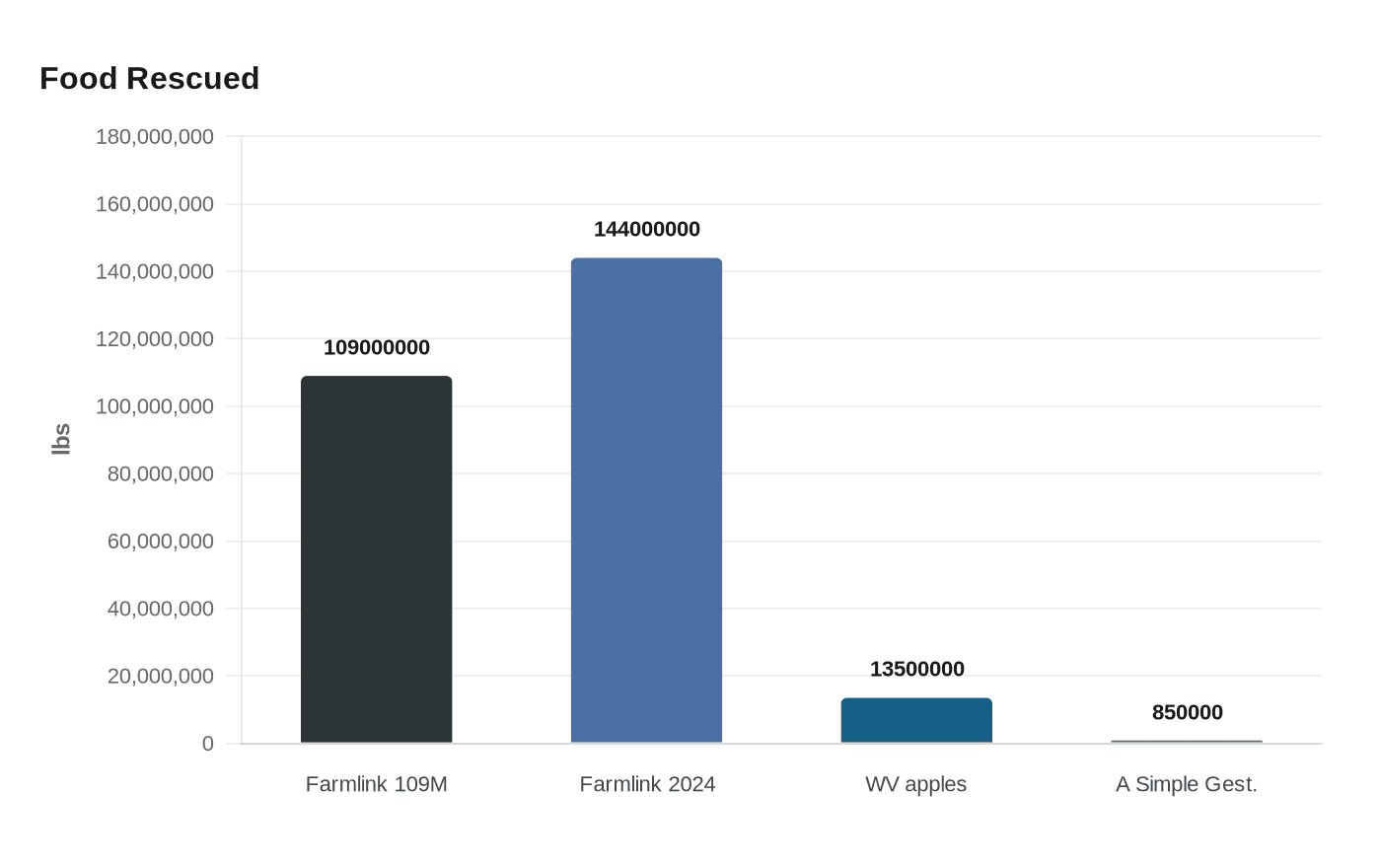
Farmlink is arguing that the next leap in food rescue is not hunting harder for surplus but getting hunger groups to cooperate on the mechanics. Thirty-three hunger-relief organizations have signed its Shared Plate pledge, which centers collaboration, flexibility, and handing excess to another partner when one site cannot take a load. Farmlink said it recovered 109 million pounds of food in the same period, and its 2024 financials later put the total at 144 million pounds of fresh, healthy food.
The West Virginia apple rescue showed why that matters. When 11 apple growers lost buyers right before harvest, about a dozen farms were suddenly at risk of seeing fruit go to waste. Joe Manchin helped bring together USDA and the West Virginia Department of Agriculture, with one condition: the apples had to be donated to hunger-fighting charities. Farmlink covered harvesting, packaging, transportation, and delivery costs, moving 13.5 million pounds of apples into the food-rescue pipeline. It was a logistics test as much as a food drive, and it showed how political support, farm timing, and trucking capacity have to line up for rescue to work at scale.
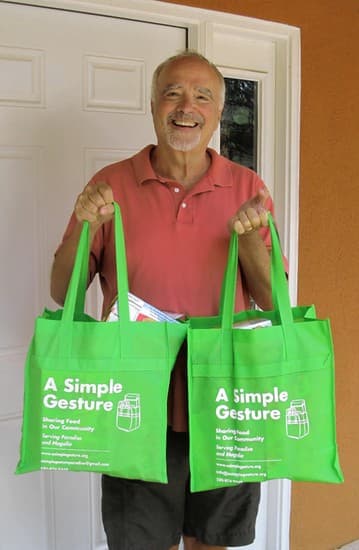
For A Simple Gesture, the overlap is obvious. The Guilford County group traces its work to 2011 and became a 501(c)(3) in 2015. By December 2025, it said it had delivered more than 8 million child-size meals worth $13 million through 75-plus pantry partners, 3,900-plus recurring donors, and about 200 monthly volunteers. Its Food Recovery Program alone recovered more than 850,000 pounds of perishable food in 2025, worth about $1.64 million, while the organization said it had reached 5 million meals collected since 2015.
That kind of scale depends on the same habits Farmlink is asking the sector to normalize. A route that misses a pickup, a pantry that runs out of cooler space, or a warehouse shift that leaves a truck idle can break the chain. The organizations that are growing fastest are treating surplus as a shared asset, not a prize to be claimed. In Guilford County, where A Simple Gesture works with dozens of local food pantries and ties into broader efforts such as OneGuilford, the job is increasingly about dependable handoffs, backup plans, and moving food before it spoils. USDA and FDA estimate that U.S. food waste makes up 30% to 40% of the food supply, and EPA’s 2015 goal is to cut food loss and waste in half by 2030. That makes food rescue a coordination business as much as a compassion project.
This article was produced by Prism’s automated news system from verified source data, official records, and press releases, then run through automated quality and moderation checks before publishing. The system is built and supervised by the people who set the standards it runs under. Read our full AI policy.
Did this article answer your question?