EEOC harassment guidance helps nonprofits strengthen reporting, investigations and anti-retaliation protections
What must a nonprofit manager change to reduce harassment risk? A Simple Gesture needs real reporting paths, trained supervisors, and an anti-retaliation system people trust.
What A Simple Gesture should change first
What must a nonprofit manager change this week to reduce harassment risk? Stop treating the policy as a paragraph in a handbook and build a complaint system people can actually use. For A Simple Gesture, that matters because the organization’s work can bring together paid staff, volunteers, pantry partners and community members in the same spaces, where weak reporting lines and unclear supervision can leave problems to fester.
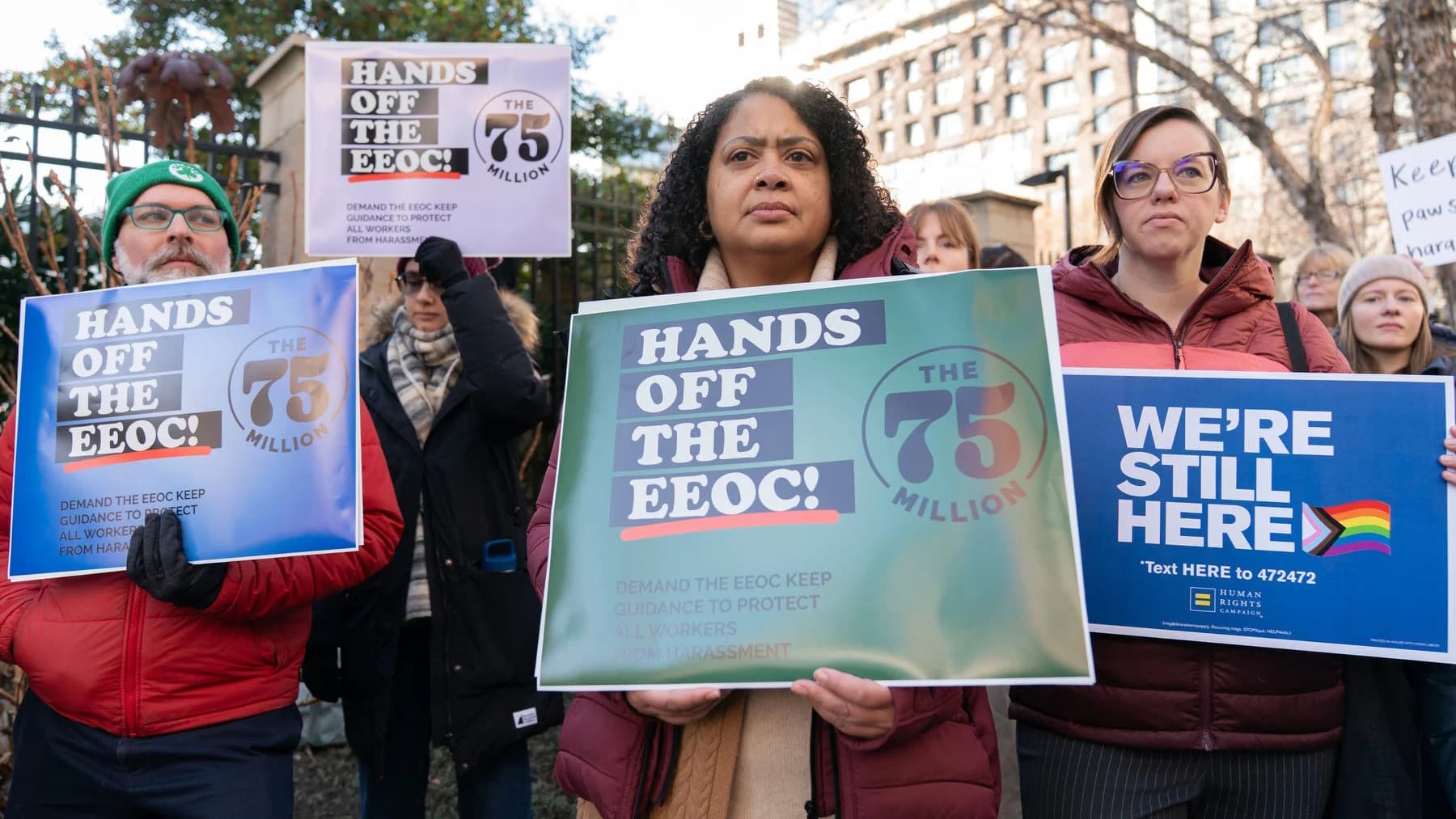
The EEOC’s updated harassment guidance makes the point plainly: prevention is not just a legal formality. It is an operational issue, and for a neighborhood food recovery nonprofit, that means leadership, training and follow-through have to work on pickup routes, at pantry handoffs and during public-facing events, not just inside an office.
Build a policy that names the problem
The starting point is a written policy that says harassment based on race, color, religion, sex, pregnancy, sexual orientation, transgender status, national origin, disability, age or genetic information is illegal and will not be tolerated. The EEOC’s 2024 guidance, issued on April 29, 2024, updates, consolidates and replaces five earlier guidance documents from 1987 through 1999, and it is meant to serve as a single agency resource on harassment law.
That broader scope matters because harassment policy can no longer be written as if it only covers a narrow sexual-harassment scenario. The updated guidance also addresses online harassment and newer workplace issues that can show up in group chats, email threads, scheduling tools or volunteer coordination platforms. For A Simple Gesture, where volunteers and staff may coordinate across different settings, that wider lens is especially relevant.
Include volunteers, not just employees
Mission-driven workplaces can make a dangerous assumption: that good intentions solve what policy should address. The nonprofit-risk and volunteer-management approach embedded in the EEOC’s checklist suggests the opposite. If volunteers work alongside staff, the anti-harassment rules should be explicit enough that everyone knows the standards, the reporting paths and the consequences.
That is one reason examples from other organizations matter. AABB’s volunteer anti-harassment policy explicitly bans retaliation for complaints or for helping with an investigation. USGA’s volunteer non-harassment policy explicitly covers protected characteristics including sex, race, color, religion, age, disability, national origin, genetic information, sexual orientation, gender identity or expression and citizenship. A Simple Gesture does not need to copy those policies word for word, but it does need to make sure volunteers are not left in a gray zone where everyone assumes someone else is responsible.
Make reporting easy, private and credible
The EEOC says effective harassment policies should offer multiple reporting avenues when possible, including at least one person outside an employee’s chain of command. It also says employers should consider allowing employees to report harassment to any manager. That is a practical point nonprofits often miss, especially when staff, volunteer leads and program coordinators overlap.
Confidentiality matters too. The EEOC advises protecting the confidentiality of employees who report harassment or participate in an investigation to the greatest possible extent. That does not mean promising secrecy you cannot keep. It means limiting disclosures, explaining who needs to know and making sure gossip does not become part of the process.
The anti-retaliation language must be equally strong. The EEOC says employees should not be punished for reporting harassment or participating in an investigation or lawsuit. Its harassment page also makes clear that anti-discrimination laws prohibit retaliation-based harassment against people who file charges, testify, participate in investigations, proceedings or lawsuits, or oppose practices they reasonably believe are discriminatory. In a nonprofit setting, where a volunteer coordinator or route leader may know everyone personally, that language should be impossible to miss.
Investigate fast, and say what happens next
A complaint system only works if the organization responds with speed and discipline. The EEOC calls for prompt, thorough and impartial investigations, followed by prompt and effective corrective and preventative action when necessary. It also recommends notifying people about complaint status and corrective action when appropriate.
That is not just a legal protection. It is how nonprofits protect volunteer retention, staff morale and partner trust. If a green bag route handoff, pantry visit or volunteer orientation goes sideways because a report sat unresolved, the damage is bigger than one incident. People notice whether leaders act consistently, and consistency is what builds credibility.
Managers also need to understand the line between unlawful harassment and conduct that is unpleasant but not illegal. The EEOC says petty slights, annoyances and isolated incidents generally do not rise to the level of illegality. That does not mean leaders should shrug off bad behavior. It means they need a policy that helps supervisors sort out real risk, document concerns and escalate patterns before they become a pattern everyone is afraid to name.
Train managers as part of the control system
The EEOC’s small-business fact sheet is described as a one-page overview of federal employment anti-discrimination obligations, and its tip sheets point employers to separate resources on employee training and manager training. That matters for a nonprofit like A Simple Gesture because a good policy without training is just paper.
The EEOC’s 2016 Select Task Force report made the case for prevention rather than mere compliance. It said workplace harassment often goes unreported, and based on testimony and academic research, found that anywhere from 25% to 85% of women report having experienced sexual harassment in the workplace. The report’s warning still lands: if people do not trust the process, they stay silent, and the organization loses its first chance to fix the problem.
That is why training should be aimed at the people most likely to receive complaints first: supervisors, route coordinators, volunteer leads and anyone who manages public-facing activity. They need to know how to document reports, avoid retaliation, preserve confidentiality and call in the right decision-maker quickly.
What A Simple Gesture should do with this now
For A Simple Gesture, the compliance lesson is straightforward: build the policy around real workflows, not just legal language. That means the organization should make sure staff and volunteers know where to report concerns, who is outside the chain of command, how confidentiality will be handled and what retaliation looks like in practice.
- A written anti-harassment policy that covers the EEOC’s protected traits.
- At least two reporting channels, one outside the normal chain of command.
- A clear no-retaliation rule for complaints and investigations.
- A prompt investigation process with documented follow-up.
- Separate training for managers and employees or volunteers who supervise others.
A practical nonprofit checklist would include:
The broader lesson from the EEOC’s 2024 guidance is that harassment prevention is now a systems issue, not a slogan. For a neighborhood food recovery nonprofit, trust inside the organization is part of the service model, and the strongest protection is the one that makes reporting simple, response fast and retaliation unacceptable.
This article was produced by Prism’s automated news system from verified source data, official records, and press releases, then run through automated quality and moderation checks before publishing. The system is built and supervised by the people who set the standards it runs under. Read our full AI policy.
Did this article answer your question?