Food Recovery Network shares volunteer strategies to sustain chapter participation
Food Recovery Network shows how clear roles, routine tracking, and steady onboarding turn volunteer energy into a durable food-recovery system.
A repeatable volunteer engine, not a burst of goodwill
More than 24 million pounds of food, 20+ million meals, and 8,135.13 metric tons of CO2e avoided only happen when volunteer systems are built to last. Food Recovery Network’s model is useful far beyond campus chapters because it treats participation like an operating system, not a one-time campaign.

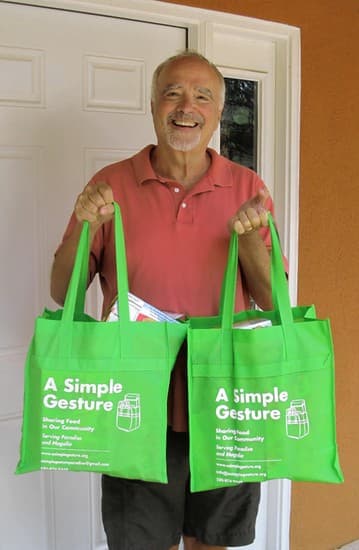
That matters for A Simple Gesture, where doorstep pickup routes, pantry partnerships, and green bag collection depend on people showing up with consistency. The lesson is simple: the work holds when volunteers know their role, see the result, and can re-enter the system without friction.
Build identity before you build scale
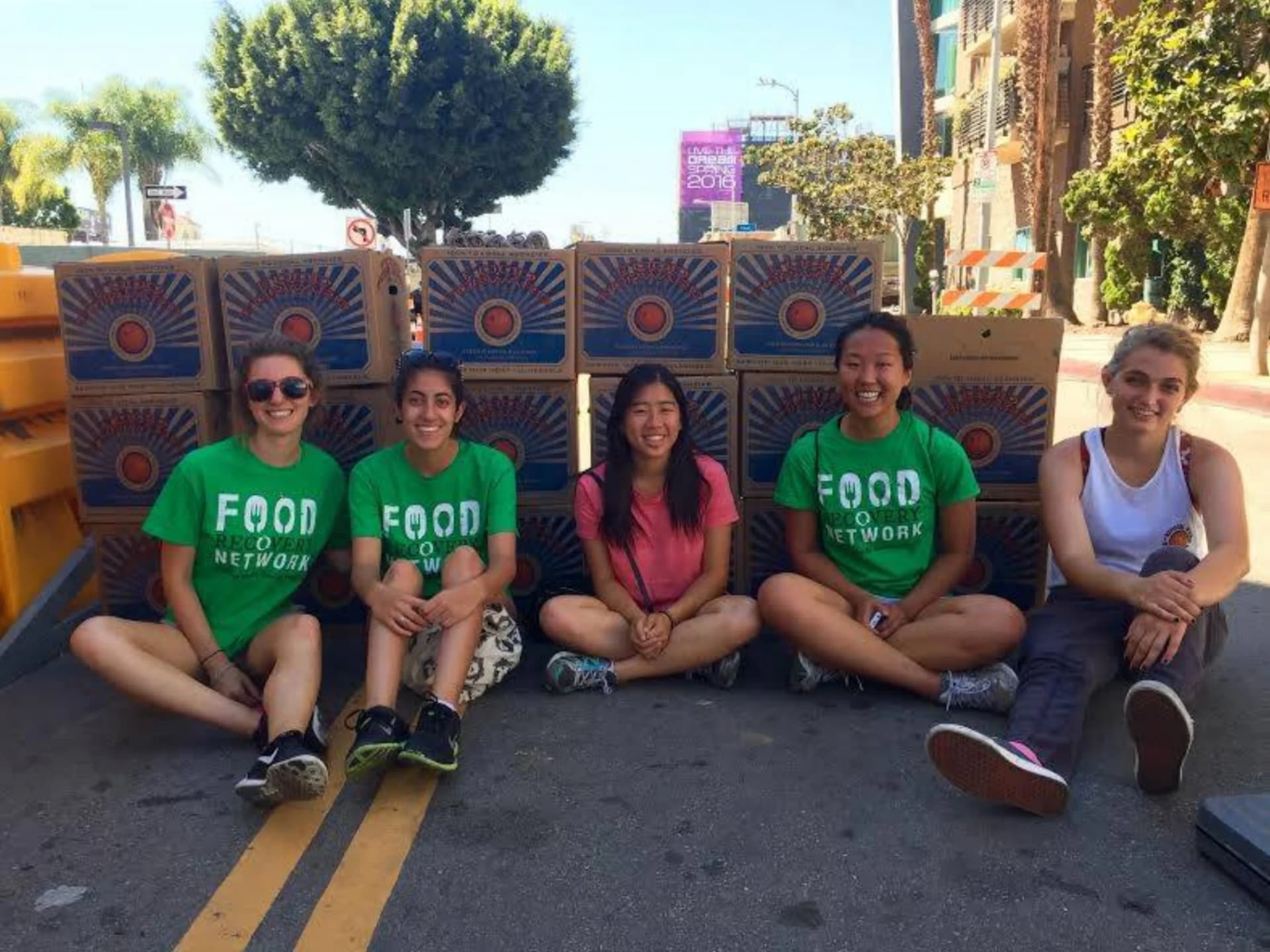
Food Recovery Network was founded in 2011 at the University of Maryland in College Park, after students saw good food being thrown away while community members went hungry. That origin story still shapes the network’s culture: chapters are not just labor pools, they are local expressions of a shared mission.
The organization now describes itself as the largest student-led movement recovering surplus food and ending hunger in the United States, with more than 200 college and university student-led chapters and a broader network that reaches more than 8,000 people. That kind of scale does not come from vague mission language. It comes from a strong identity that helps volunteers understand why the work matters the first time they sort a donation, scan a form, or carry a bag to a pantry partner.
For A Simple Gesture, the parallel is clear. A volunteer who understands that a green bag on a porch is part of a larger food-recovery system is more likely to come back than someone who just hears a generic appeal for help.
Make participation easy enough to repeat
FRN’s volunteer guidance centers on a practical truth: chapters need quality, hardworking, and consistent volunteers. Recruitment is only the first step. The harder problem is retention, because many systems fail not when no one signs up, but when people sign up once and disappear.
That is why FRN emphasizes recruitment strategies and volunteer engagement events that can work for chapters of different sizes. The point is not to create a perfect volunteer experience. The point is to create a predictable one. People return when they know what happens next, who they will work with, and how long the commitment will take.
For a food recovery operation, that means building habits around the work itself. If a volunteer can pick up a route, cover a recurring shift, or join a regular collection day without relearning the basics each time, the organization stops depending on bursts of enthusiasm. It starts operating on rhythm.
Track every recovery, not just the big wins
The strongest part of FRN’s system may be its tracking discipline. Chapters can input food recovery data after each recovery, weekly, biweekly, monthly, or once at the end of a semester. Official chapters are expected to submit Food Tracking Forms at least once per semester, and the data is tied to chapter status.
That creates a feedback loop that volunteer managers need. When people can see pounds recovered, meals donated, and emissions prevented, the work feels real in a way that abstract fundraising goals never quite match. It also gives organizers the raw material for impact stories, grant conversations, and volunteer retention.
FRN’s Resource Hub uses that kind of accounting to show more than 24 million pounds recovered, 20+ million meals donated, and 8,135.13 metric tons of CO2e prevented. Those numbers do more than prove scale. They give coordinators something concrete to tell new volunteers, returning volunteers, and community partners who want to know whether the operation is working.
For A Simple Gesture, the takeaway is operational. If route captains, pantry partners, and volunteer coordinators are all looking at the same data, the organization can spot which neighborhoods are strong, which pickup windows need help, and where a small process fix could save a whole route.
Structure the chapter so people know where they fit
FRN’s newer chapter model is deliberately specific. A new chapter starts with three student leaders, a faculty or staff advisor, and a chosen chapter path such as food recovery, advocacy and education, or volunteer service. Chapters also become eligible for grant funding after completing the Official Chapter Agreement.
That structure matters because it prevents volunteer programs from becoming leader-dependent. When responsibility is shared across a small leadership team, there is less chance that one person’s schedule, school workload, or burnout will stall the chapter. The design also makes onboarding clearer. People are not joining a vague cause. They are stepping into a defined role inside a defined system.
FRN’s strategic framework reinforces that same logic with student-centered leadership, inclusion, active listening, and the voices of many. That is not just a cultural statement. It is a management principle. Volunteer systems work better when they are co-created, when feedback is easy to give, and when leadership is distributed enough to survive turnover.
A Simple Gesture can use the same lesson across its neighborhood model. Whether the job is coordinating green bag pickups, confirming pantry drop-offs, or keeping volunteer lists current, dependable operations need a small leadership spine and a clear path for new people to plug in.
Small chapters can still produce outsized results
One of the clearest signs that local structure matters is FRN’s community college grant cohort. Its five members recovered a total of 189,556 pounds, which accounted for nearly 20% of all pounds recovered by college-based chapters. That is a strong reminder that scale is not only about size. It is about capacity, coordination, and how consistently a local team can execute.
This is the part managers should not miss. A well-run small chapter can be more valuable than a bigger one that cannot hold onto people. The high-performing local unit is usually not the loudest one. It is the one with a schedule, a tracking habit, and enough leadership continuity to keep volunteers from drifting away after their first shift.
The blueprint for A Simple Gesture is operational, not inspirational
If the goal is sustained participation, the most useful ideas from FRN are practical:
- Give every volunteer a repeatable role, not just a general invitation.
- Keep onboarding short, clear, and tied to a real shift or route.
- Track recoveries on a regular cadence so progress is visible.
- Build a small leadership structure that can absorb turnover.
- Use impact data to recruit, retain, and reassure partners that the system works.
That is the real value of FRN’s playbook. It shows that food recovery scales when culture and logistics reinforce each other. Volunteers stay when the mission is clear, the schedule is dependable, and the results are measurable. For A Simple Gesture, that is the difference between a program that depends on enthusiasm and one that can keep food moving door to pantry week after week.
This article was produced by Prism’s automated news system from verified source data, official records, and press releases, then run through automated quality and moderation checks before publishing. The system is built and supervised by the people who set the standards it runs under. Read our full AI policy.
Did this article answer your question?