Hunger Task Force expands local food access through farm and farmer partnerships
Half a million pounds of produce, nearly 6,000 volunteers and a 24-to-48-hour harvest window make Hunger Task Force’s farm a year-round supply system.
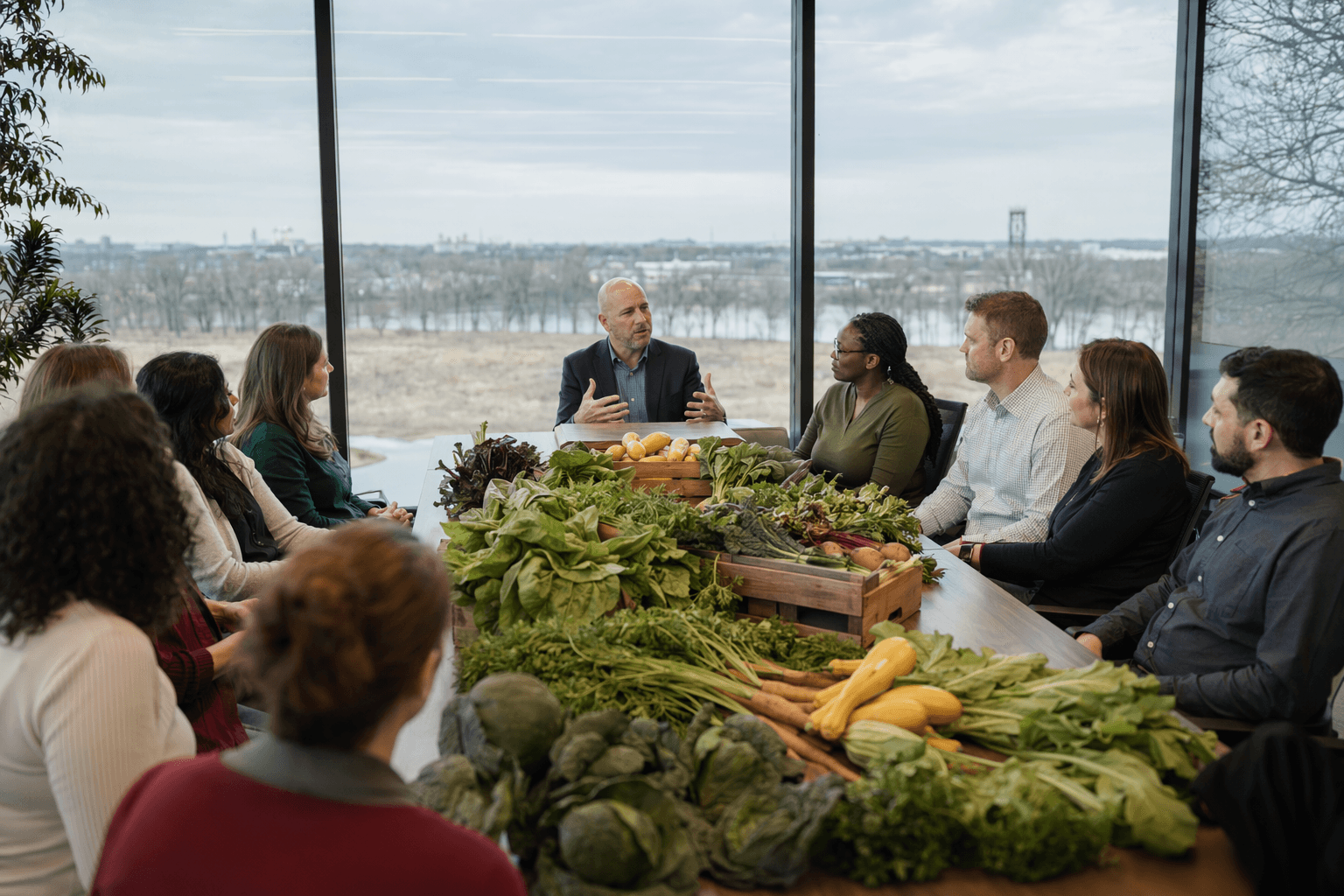
Half a million pounds of fresh fruits and vegetables moved through Hunger Task Force’s network each growing season because the group built a farm, a volunteer labor pool and a winter purchasing plan around the same goal: keep produce flowing when local harvests and funding ebb.
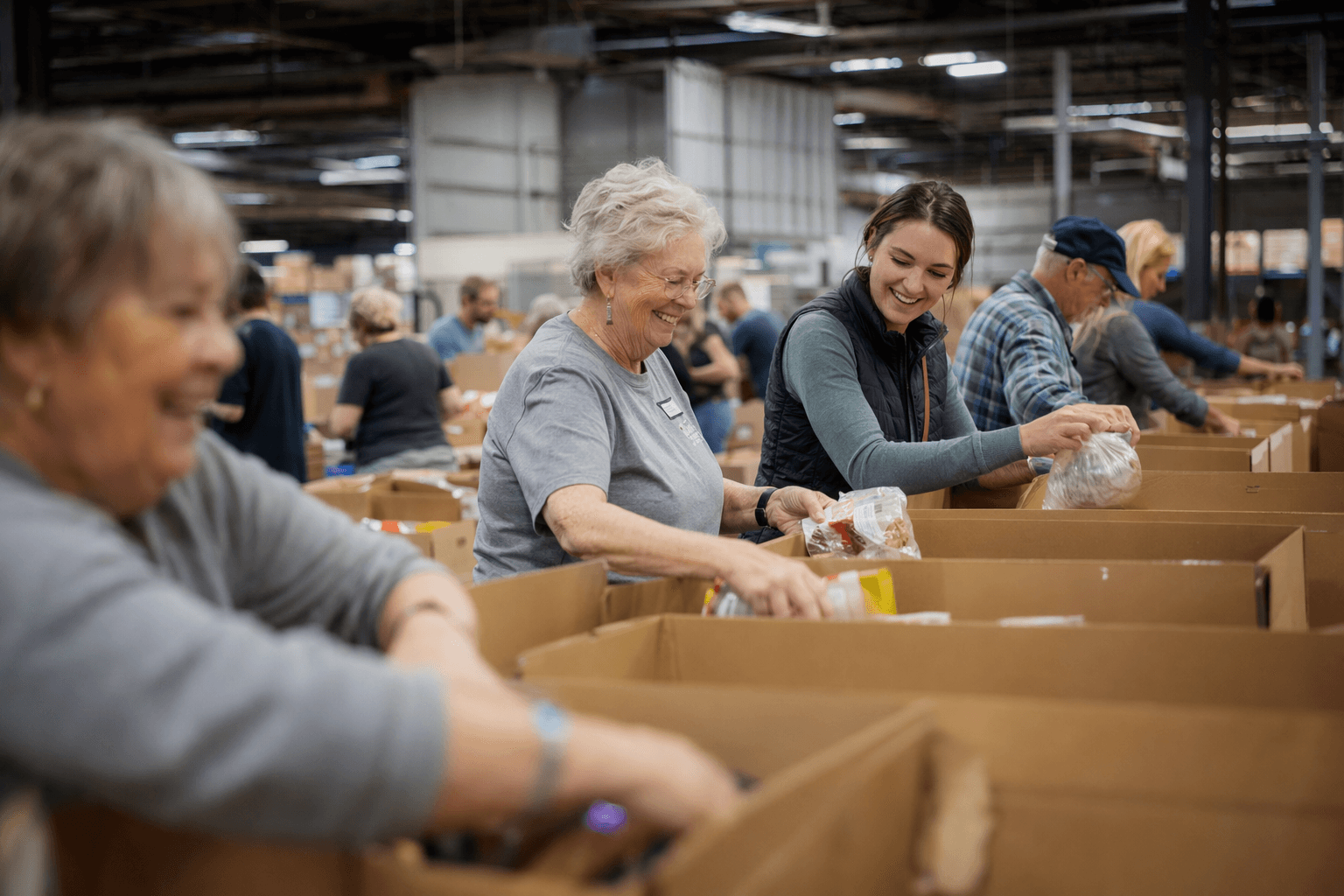
The Milwaukee nonprofit said its farm in Franklin, Wisconsin, covers 208 acres and grows more than 70 varieties across 28 crops. Nearly 6,000 volunteers help plant and harvest, turning the operation into a large-scale workplace as much as a community service site. Hunger Task Force says produce can go from harvest to delivery in 24 to 48 hours, a speed that matters for pantries, meal sites and shelters that need food to look and taste fresh, not just available.
The farm is only part of the system. Hunger Task Force has been widening access through statewide partnerships with Wisconsin farmers and, on Feb. 16, said it also relies on a Winter Produce Purchase Program and weekly buying through Milwaukee-based distributor V. Marchese Inc. to keep fresh produce moving year-round. That approach gives the organization a way to bridge seasonal gaps and keep offering culturally familiar foods when the local growing calendar runs thin.
The sourcing strategy also has a funding side. On Sept. 9, 2025, Hunger Task Force said it launched a Farm to Food Bank Fund after federal funding cuts, with a $65,000 launch gift from Congregation Emanu-El B’ne Jeshurun’s Salinsky Program to Feed the Hungry. The move shows how the farm operation has become part of the organization’s resilience plan, not just a symbol of local agriculture.
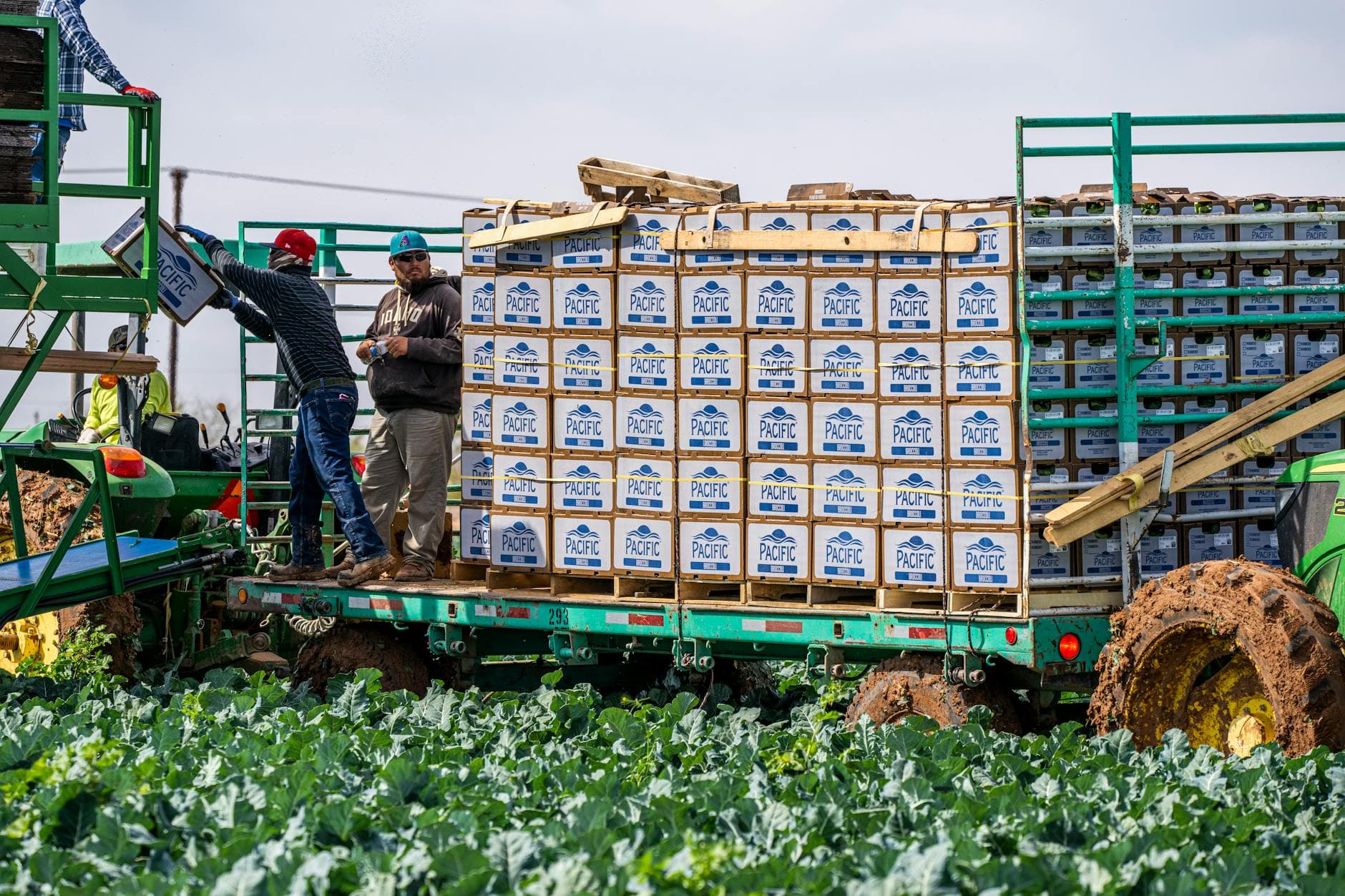
For workers and volunteers, that means the job is not simply collecting and distributing whatever comes in. It means coordinating labor around harvest days, managing cold-chain handling so produce stays usable, and building supplier relationships that can hold up when the weather changes or public dollars shrink. Sarah Bressler, identified in local reporting as the farm manager, sits at the center of that daily execution.
Hunger Task Force describes itself as Milwaukee’s Free & Local food bank and Wisconsin’s anti-hunger leader, serving children, families and seniors free of charge. The farm model shows how a food access nonprofit can make fresh produce reliable by treating sourcing, storage and distribution as one operating system, not three separate tasks.
Know something we missed? Have a correction or additional information?
Submit a Tip