FDA cheese recall shows how donation streams can turn risky fast
A June 4 FDA alert tied to requeson and soft ricotta showed how a dairy recall can hit intake shelves the same day, with 9 illnesses and 8 hospitalizations.

A cheese recall can become a same-day intake problem long before it becomes a headline. For food recovery groups handling donated dairy, prepared foods, or repackaged items, the FDA’s June 4 alert on requeson and soft ricotta was a reminder that a product can move from a donation stream into a safety issue fast.
The outbreak now tied to Clover Hill Dairy LLC in Mechanicsville, Maryland, has been linked to 9 illnesses, 8 hospitalizations, and 1 death across 3 states, after an earlier CDC update said 8 people in Maryland, New York, and Virginia were sickened, 7 were hospitalized, and one person in Maryland died. The recalled cheese was distributed from May 4 through May 30 in North Carolina, New York, Virginia, Maryland, New Jersey, and Washington, DC, and the FDA said further testing by federal and state partners was still underway.
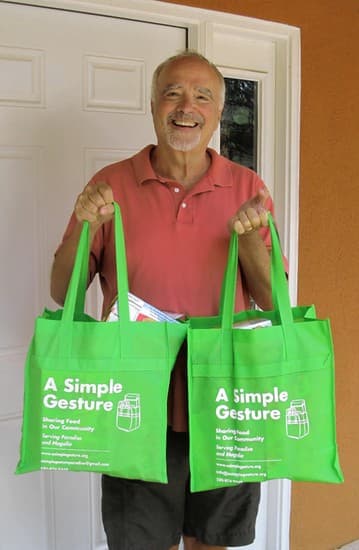
For A Simple Gesture staff and volunteers, the operational lesson is to treat every recall notice like an intake stop sign. The FDA said the products may be relabeled under different brand names, which means a quick glance at a package is not enough. Teams need to verify product names, packaging sizes, distribution dates, and any repackaging before anything reaches a pantry shelf or a household pickup route.
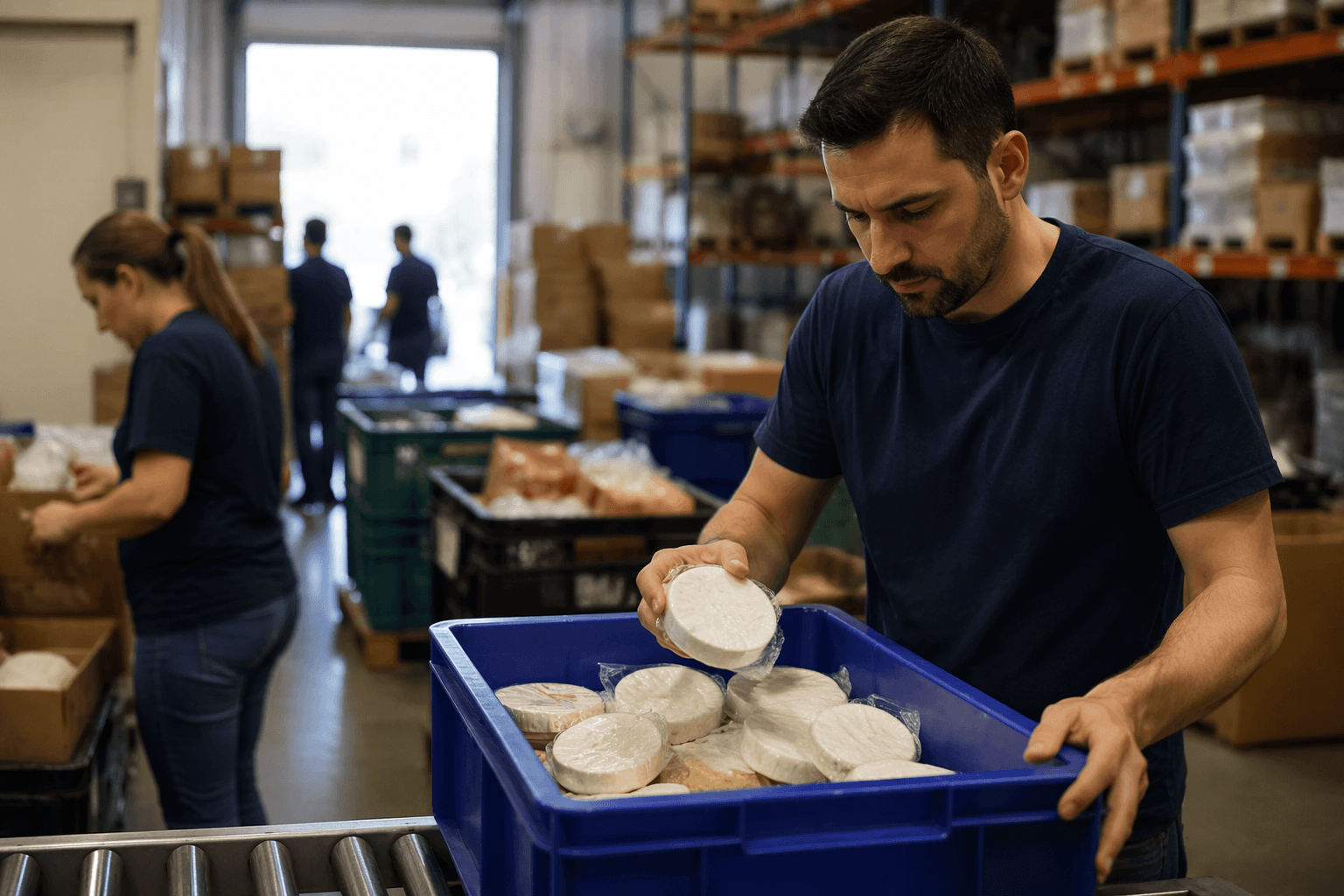
The recall covered 10-, 12-, and 14-ounce individually packaged clamshell containers, and the cheese was sold at the dairy’s retail market, at farmers markets, and through other distributors. That mix matters because it blurs the line between retail food and donated food. If a route crew collects mixed donations from multiple sources in one day, the safest move is to quarantine questionable dairy immediately, document where it came from, and keep it out of circulation until it is checked against the recall.
The Maryland Department of Health suspended Clover Hill Dairy’s operating license and said it was conducting a follow-up evaluation with the facility. CDC also warned that the true number of sick people was likely higher than reported and that it can take 3 to 4 weeks to confirm whether a sick person is part of a Listeria outbreak. That lag is exactly why food recovery teams need a tight communication chain: who gets alerted, where product is isolated, and how quickly pantry partners are told to stop distribution.
The FDA also reminded consumers and retailers to clean and sanitize any surface or container touched by the recalled product, because Listeria can survive cold temperatures and spread to other foods and surfaces. For a food recovery operation, that makes sanitation as important as sorting. The real safeguard is a culture where volunteers know the recall routine, route leaders know when to hold product, and pantry partners know that verification comes before volume.
This article was produced by Prism’s automated news system from verified source data, official records, and press releases, then run through automated quality and moderation checks before publishing. The system is built and supervised by the people who set the standards it runs under. Read our full AI policy.
Did this article answer your question?