FDA guidance underscores food safety rules for donated groceries
Donated groceries are not exempt from food safety rules, and A Simple Gesture’s volunteers need fast yes-or-no checks on labels, packaging, temperature, and local codes.
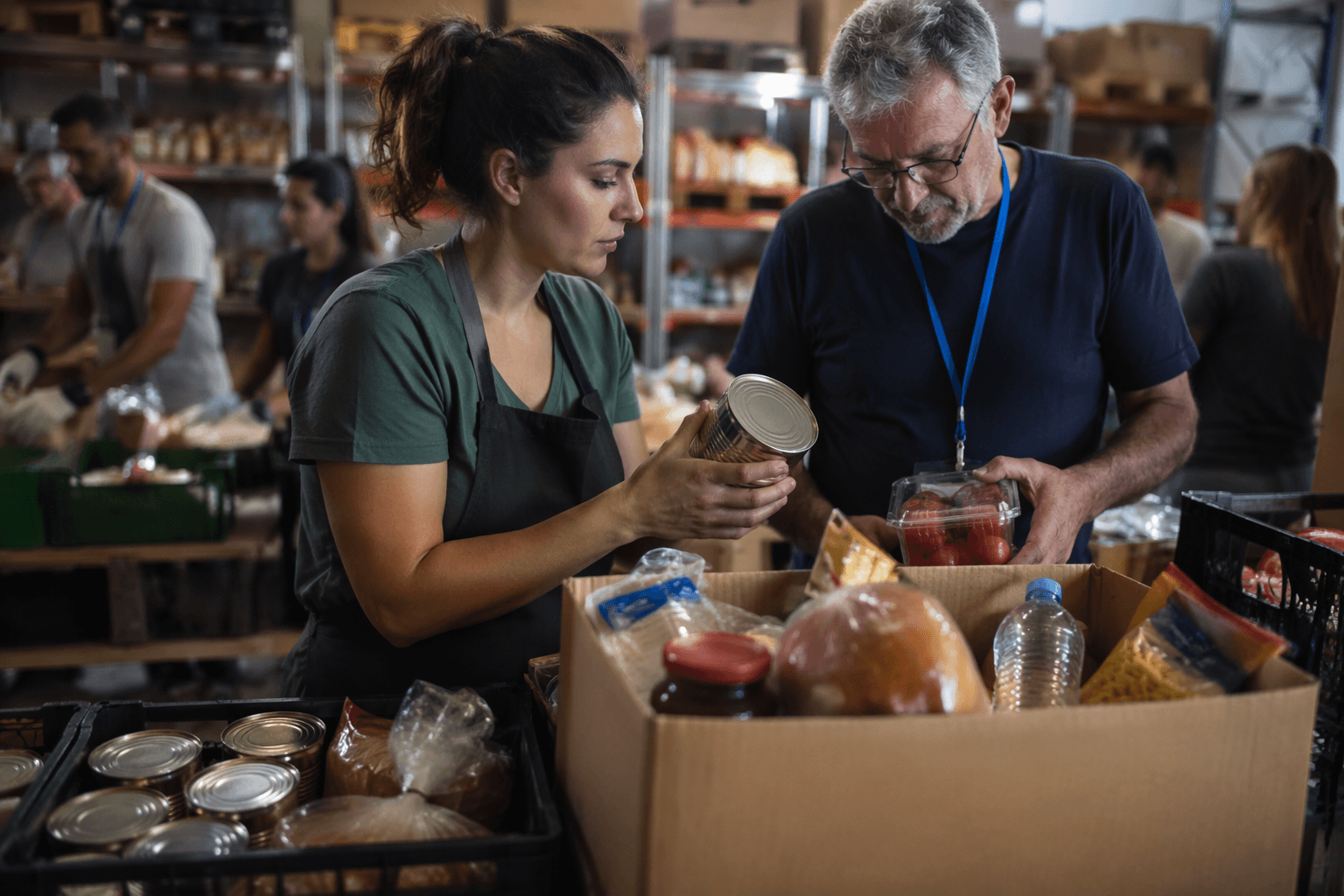
Donated food can still be safe food, but only if teams treat it that way from the moment it leaves a porch, store, or business. FDA’s guidance makes the core decision simple for volunteers and coordinators: rescued food is not exempt from ordinary safety rules, and every item still has to meet the same standards for handling, labeling, packaging, and temperature that apply anywhere else.
The first question: can this item safely stay in the system?
For a green bag pickup operation, the fastest mistake is assuming that anything donated is automatically usable. FDA says some foods that retailers could not sell are still donated to charity, including products with sell-by dates that have passed or cans with torn or missing labels, but the agency’s point is not that anything goes. It is that those items can still move forward if they are handled safely and according to state or local food codes.
That gives staff and volunteers a practical rule of thumb. If an item is unopened, properly labeled, and still clearly safe to handle, it may be a candidate for donation. If an item’s condition makes safety unclear, it needs a closer look against local rules before anyone puts it in a pantry bin or delivery box.
Fast yes or no checks at pickup
When time is tight, the intake decision should stay simple enough for a volunteer to remember on one route and repeat on the next. FDA’s guidance points to a few nonnegotiables:
- Unopened foods should be donated in their original packaging.
- Food packages should be properly labeled.
- Foods containing major allergens must list those allergens on the product label.
- Food should be handled safely and according to state or local food codes.
- Temperature still matters, so rescued food should be kept within safe limits rather than treated as an exception.
A torn label is not automatically a reason to throw food away. It is a reason to slow down, inspect the item more carefully, and confirm that it still meets local requirements. That distinction matters in a volunteer-run system, because rules that feel too rigid can discourage donations, while rules that are too vague can create real safety risk.
What to salvage, what to set aside, what to reject
For A Simple Gesture, the day-to-day challenge is turning FDA language into a workable field rule. Salvage items that are unopened, intact, and still properly labeled, especially when the product can be confirmed safe and compatible with local food codes. Set aside anything that looks questionable because the label is incomplete, the packaging is damaged, or the item needs a temperature check before it can move again.
Reject anything you cannot confidently verify. That may mean a food item whose safety cannot be confirmed from the package, a product that was handled outside safe temperature limits, or a donation that does not satisfy local code requirements. The point is not to be punitive. The point is to avoid putting volunteers in the position of guessing, because guesswork is where food recovery systems get into trouble.
Why the legal backdrop matters to daily work
The FDA guidance sits alongside a broader federal framework that protects good-faith food donation. USDA says the Bill Emerson Good Samaritan Food Donation Act provides federal civil and criminal liability protection for people who donate in good faith apparently wholesome food to nonprofit organizations for needy individuals. USDA also describes the law as a floor, or minimum bar, for state food donation statutes.
That matters for coordinators who have to explain why a donation pipeline should exist at all. Congress called for outreach in the 2018 Farm Bill because many businesses were unaware of the liability protection, which means a lot of donor hesitation is rooted in confusion, not in bad intent. Clear pickup rules, clear labeling standards, and clear handling instructions help reduce that confusion before it turns into a missed donation or an unnecessary discard.
Date labels still create real confusion
FDA and USDA also keep coming back to date labeling because it is one of the most common flash points in food recovery. Terms such as Sell By, Use By, and Best By can be misunderstood, and that confusion can lead either to unnecessary waste or to overly casual handling. The practical lesson for volunteers is simple: a date label by itself does not answer every safety question, so it should be read alongside packaging condition, temperature, and local rules.
That is why a food rescue operation needs a standard script for households and donor sites. People need to know that the organization is willing to rescue safe food, but not to relax the rules that protect the people receiving it.
Why this is bigger than one pickup route
The national case for food rescue is strong. FDA says the goal is to cut food waste by 50% by 2030, and USDA says more than one-third of all available food in the United States goes uneaten through loss or waste. EPA places food donation in the second tier of its Wasted Food Scale, and says food rescue programs distribute excess perishable and prepared food to agencies and charities serving hungry people.
That makes donation guidance more than a back-of-house checklist. It is part of a national effort to keep edible food out of landfills and move it to households that need it. For a local food recovery program, the safety rules are what make that broader mission credible.
What it means for A Simple Gesture
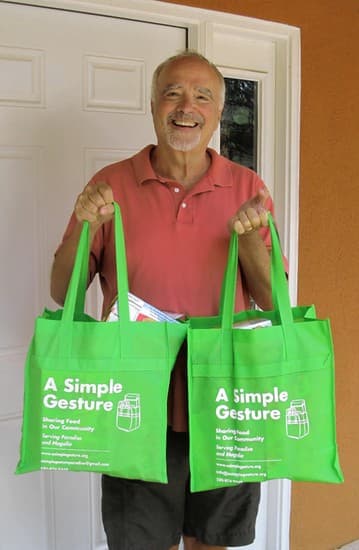
A Simple Gesture has built its model around convenience since 2015, using door-to-door pickups, corporate pickups, and timely food recovery pickups in Guilford County, North Carolina. As of December 2025, the organization says it has helped deliver more than 8,000,000 child-size meals, with $13,000,000 in donated food value, 75-plus pantry partners, 3,900-plus recurring food donors, and 200 monthly volunteers.
Those numbers show why the details matter. When a network moves that much food, a small misunderstanding about packaging, label condition, or temperature can spread across many routes and many pantry deliveries. A Simple Gesture also says its food recovery work rescues edible food from businesses and delivers it to local nonprofits, which means its volunteers need a standard that is easy to follow in the field and strict enough to protect the people who will eat the food.
The safest operating rule is also the clearest one: rescue what is still safe, handle it carefully, and never treat donated groceries as a free pass around normal food safety standards.
This article was produced by Prism’s automated news system from verified source data, official records, and press releases, then run through automated quality and moderation checks before publishing. The system is built and supervised by the people who set the standards it runs under. Read our full AI policy.
Did this article answer your question?