Feeding America schools model shows how school pantries expand food access
Nearly 4,000 school pantries show how food access works when it meets families at school, not across town. The challenge is choosing a model that fits space, staffing, and pickup flow.
What the school pantry model is really solving
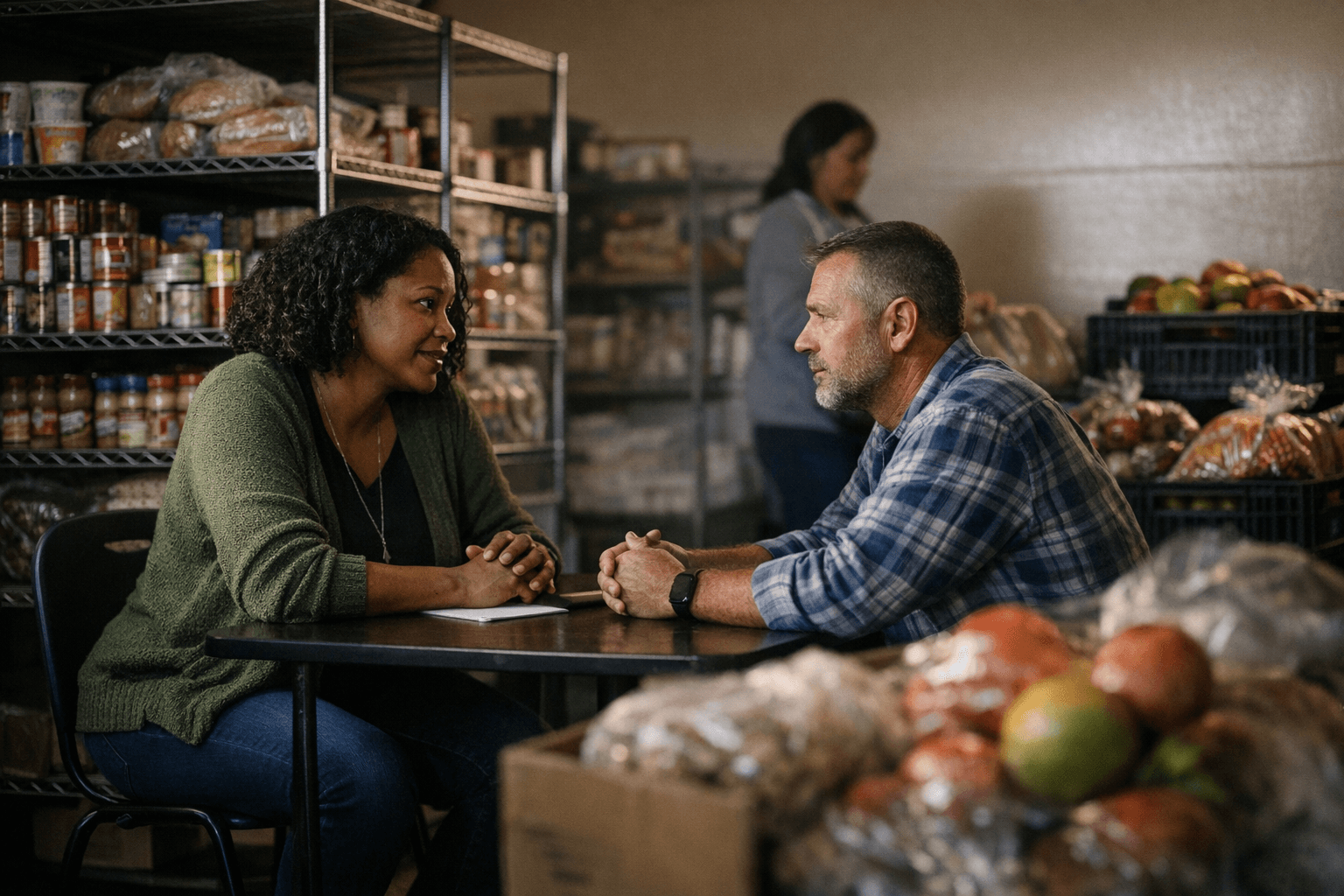
Feeding America’s school pantry playbook is less about a single format than a simple idea: put free food where families already go. In its network, nearly 4,000 school pantries operate across the United States, which shows the model has moved well beyond pilot status and into the mainstream hunger-relief toolbox.
For A Simple Gesture, that matters because the same logic behind doorstep green bag recovery applies here. Families are more likely to use a pantry if it is close, familiar, and easy to reach. A school-based model also reduces the stigma that can follow a standalone food site, especially when the pantry is tied to a place parents already trust.
Why the model works as a partnership, not a standalone site
Feeding America is clear that school pantries are partnerships between food banks and schools. That is the key operational lesson for any nonprofit deciding whether to launch a pantry, fridge, or hybrid model: the school can provide the space and daily connection to families, but the food bank or recovery partner usually brings sourcing, logistics, and program structure.
The broader Feeding America materials also show that schools do not have to carry the burden alone. Local food banks can help with setup, sourcing, and impact tracking, which turns a one-off donation stream into a repeatable service line. For a group like A Simple Gesture, that means the school site should be treated as part of a route network, not as a side project.
Choosing between pantry, fridge, or hybrid
The best model depends on what the school can support. A pantry works well when staff have room for pre-packed boxes, bags, canned goods, grains, protein, and pantry staples. A fridge makes more sense when the site can handle fresh produce and other perishables, since Feeding America’s school pantry model explicitly includes fresh fruits and vegetables alongside shelf-stable food.
A hybrid setup is often the most flexible option because it combines both functions. That can support a fuller weekly or monthly distribution, with shelf-stable staples available even when refrigeration space or staffing is tight. For schools with limited room, a smaller pantry paired with a shared fridge can keep the program practical without shrinking the mix of food families receive.
What families actually need at pickup
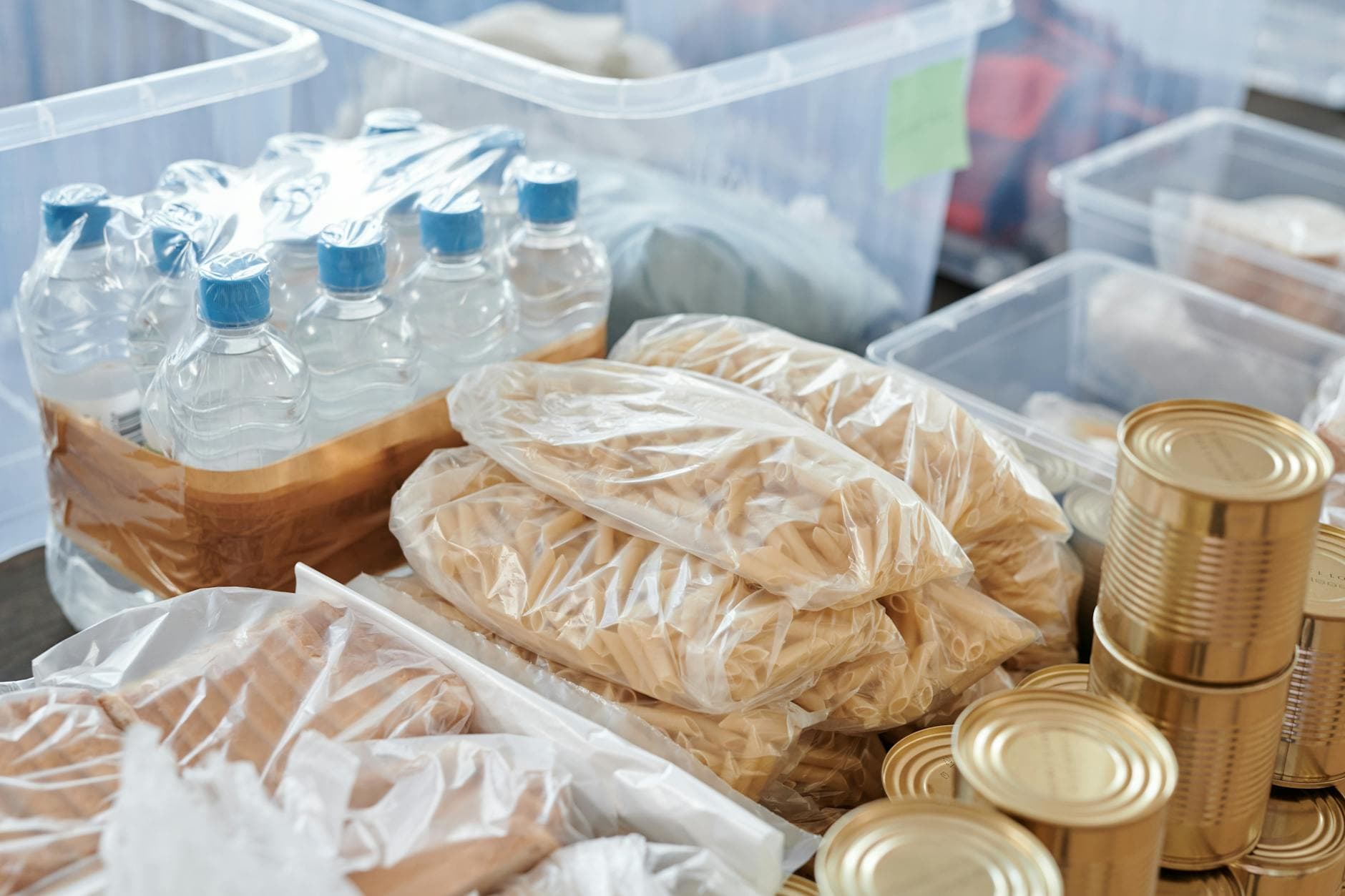
Feeding America lists several distribution formats, and each one solves a different access problem. Some pantries use pre-packed boxes or bags, some run drive-thru pickups, some resemble a farmers market, and some let families shop in person. Those details matter because school access is not just about having food on site, it is about making the pickup process feel manageable on a school day.
That is where stigma and logistics overlap. A quick bag handoff may work best in a school lobby or after-school window, while an in-person shopping model can give families more choice if there is enough room and enough volunteers or staff. A drive-thru option can help when parking, weather, or time constraints make walking into the building difficult.
How to match the program to the school calendar
Feeding America notes that school pantries may open monthly, weekly, after school, or during the summer when school is out. That flexibility is one of the strongest reasons to build a school-based program instead of a more rigid pantry model. It lets schools decide whether they need a high-frequency pickup point, a seasonal supplement, or a summer bridge when children lose access to school meals.
The toolkit also notes that some food banks can use Summer Food Service Program reimbursements for summer programming. That creates a useful planning signal for school leaders and nonprofit coordinators alike: if the site will stay active when classes are out, the summer calendar should be built into the launch plan from the start rather than added later.
Who the pantry should serve
One of the most useful parts of Feeding America’s approach is that school pantries are not limited to students receiving free or reduced-price lunch. Some serve all students in a district, and some also welcome neighbors in the community. That widens reach and lowers the chance that the pantry becomes labeled as a program only for a narrow group of families.
For A Simple Gesture, that can be a smart organizing principle. A pantry that serves a broader circle may draw stronger participation, create more predictable pickup traffic, and normalize use in a way that reduces stigma. It also makes the site more valuable to a school that wants food access to feel like a community resource, not an emergency-only service.
Where a school pantry can live
Feeding America’s toolkit says school-based pantries do not have to sit inside the main school building. They can be located on school grounds or at familiar, safe community sites such as libraries, parks, or youth organization sites. That flexibility is important for schools that lack spare room, refrigeration, or a private area for distribution.
A Simple Gesture can use that same thinking when deciding between a traditional pantry room, a fridge in a high-traffic area, or a hybrid site shared with another community partner. The real question is not whether the location is ideal on paper. It is whether families can get in and out easily, safely, and without confusion.
What the scale tells school leaders
Feeding America’s numbers show how much the model has grown. In 2012, its evaluation found 57 food banks operating school pantries at 583 sites nationwide. Today, the network says it operates nearly 4,000 school pantries across the country, and Feeding America’s broader network distributed 5.9 billion meals in its most recent annual report published in 2025.
That jump matters because it shows school-linked food access is no longer a niche experiment. It is now a tested tool with enough scale to offer a real blueprint for local nonprofits that want to build school partnerships without inventing the model from scratch.
What A Simple Gesture should take from the playbook
For a food recovery nonprofit, the strongest lesson is to design the school pantry like a route-based service, not a donation drop-off. The system has to handle pickups, storage, partner coordination, and clear windows for families to receive food. It also has to fit the realities of each campus, since space, staffing, and flow can make the same program succeed at one school and stall at another.
- Is there enough room for a pantry, a fridge, or both?
- Who will stock, monitor, and clean the space?
- Will pickups happen after school, weekly, monthly, or in summer?
- Can the site support pre-packed bags, open-choice shopping, or both?
- Is the location easy enough to reach that families do not need extra transportation?
- Will the program serve only enrolled students or the wider neighborhood?
A workable launch checklist starts with a few practical questions:
Those choices determine whether a school pantry feels like a temporary volunteer effort or a lasting piece of the local food system. Feeding America’s model shows the difference is not just how much food is donated, but how well the program fits the school day, the school year, and the families it is meant to serve.
This article was produced by Prism’s automated news system from verified source data, official records, and press releases, then run through automated quality and moderation checks before publishing. The system is built and supervised by the people who set the standards it runs under. Read our full AI policy.
Did this article answer your question?