Feeding America warns SNAP error penalties could cut food access
Feeding America wants Congress to delay new SNAP penalties after USDA set FY 2025 error rates at 10.62%, or about $10.1 billion in improper payments.

Feeding America pushed Congress on June 25 to delay new SNAP cost-shift penalties, warning that states are not ready to absorb the change when it takes effect in October 2027. USDA’s payment-error measure tracks how accurately state agencies determine eligibility and benefit amounts, and it counts both overpayments and underpayments. The FY 2025 national rate came in at 10.62%, well above the 6% congressional threshold, and USDA put improper payments at about $10.1 billion nationwide.
USDA released the state error rates on June 24, giving policymakers the first figures that will determine which states owe part of SNAP benefits under the new tiered system. FY 2025 is the first year that can be used to set those obligations, according to the Hamilton Project. Under the law, states with lower error rates may owe nothing, while higher-rate states could face 5%, 10% or 15% of benefit costs depending on future performance. Senate Agriculture Committee Chairman John Boozman called the numbers “significant waste” and said SNAP must be administered “fairly, responsibly and accurately.”
Feeding America says the problem is often operational, not criminal. Outdated technology, staff shortages, incomplete files and complex eligibility rules drive many of the errors, and Feeding America urged members of Congress to include a delay in bipartisan legislation so states can stabilize operations before penalties hit. USDA’s quality-control guidance distinguishes administrative accuracy from fraud by people using SNAP, and improving payment accuracy depends on finding and correcting errors as well as making accurate eligibility determinations.
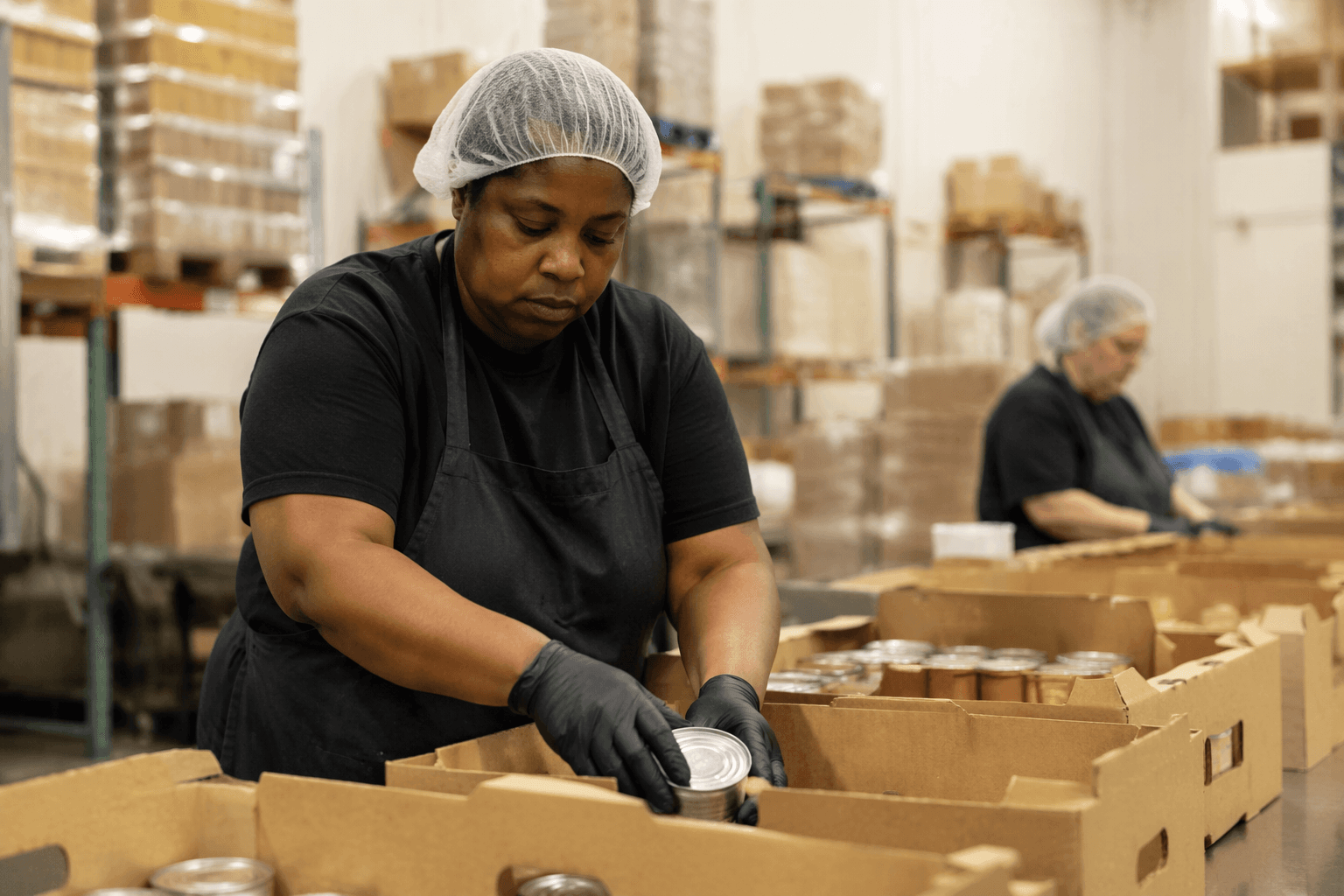
For A Simple Gesture, SNAP benefit swings affect routes and staffing. When SNAP benefits wobble, households that use them as a bridge between paychecks, during layoffs, illness or a transition often show up at food pantries sooner, which can mean more pressure on green bag pickups, volunteer schedules and partner communications. Feeding America says its network includes more than 250 food banks, 20+ statewide food bank associations, 10+ regional co-ops and 60,000+ agency partners.
This article was produced by Prism’s automated news system from verified source data, official records, and press releases, then run through automated quality and moderation checks before publishing. The system is built and supervised by the people who set the standards it runs under. Read our full AI policy.
Did this article answer your question?