Food banks expand grant-making to strengthen pantry networks permanently
Food banks are now funding pantries’ laptops, freezers and training, turning grant-making into a permanent power center inside the hunger network.
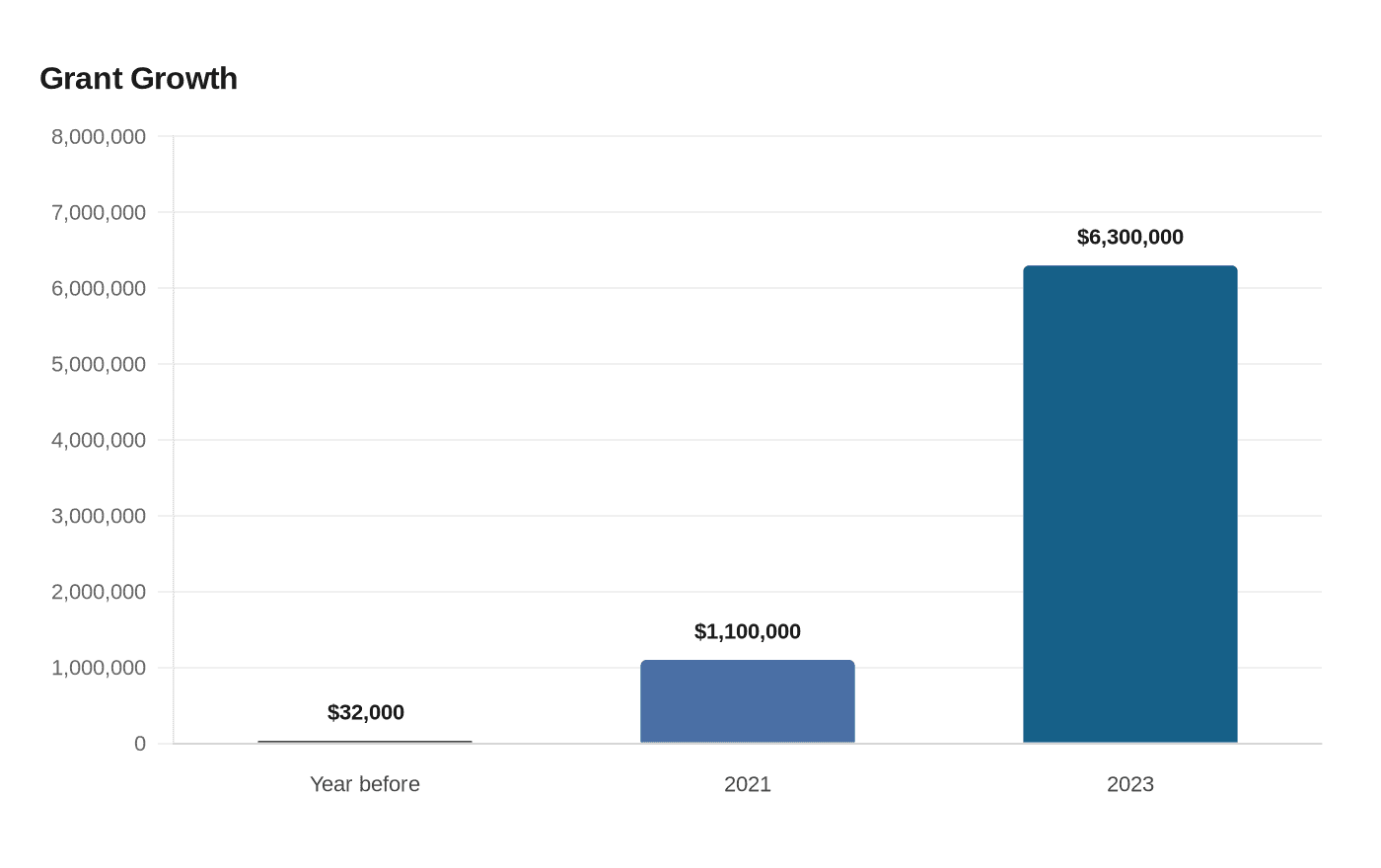
Food banks are no longer treating pantry grants as an emergency add-on. North Texas Food Bank says 90 percent of its food moves through its agency network, and its network grants jumped from $32,000 the year before to $1.1 million in 2021 and $6.3 million in 2023, a sign that capacity-building has become part of the operating model rather than a temporary fix. The money now reaches beyond food itself: Service Insights grants help pantries buy laptops and iPads for client intake, while Leadership Development scholarships pay for management training.
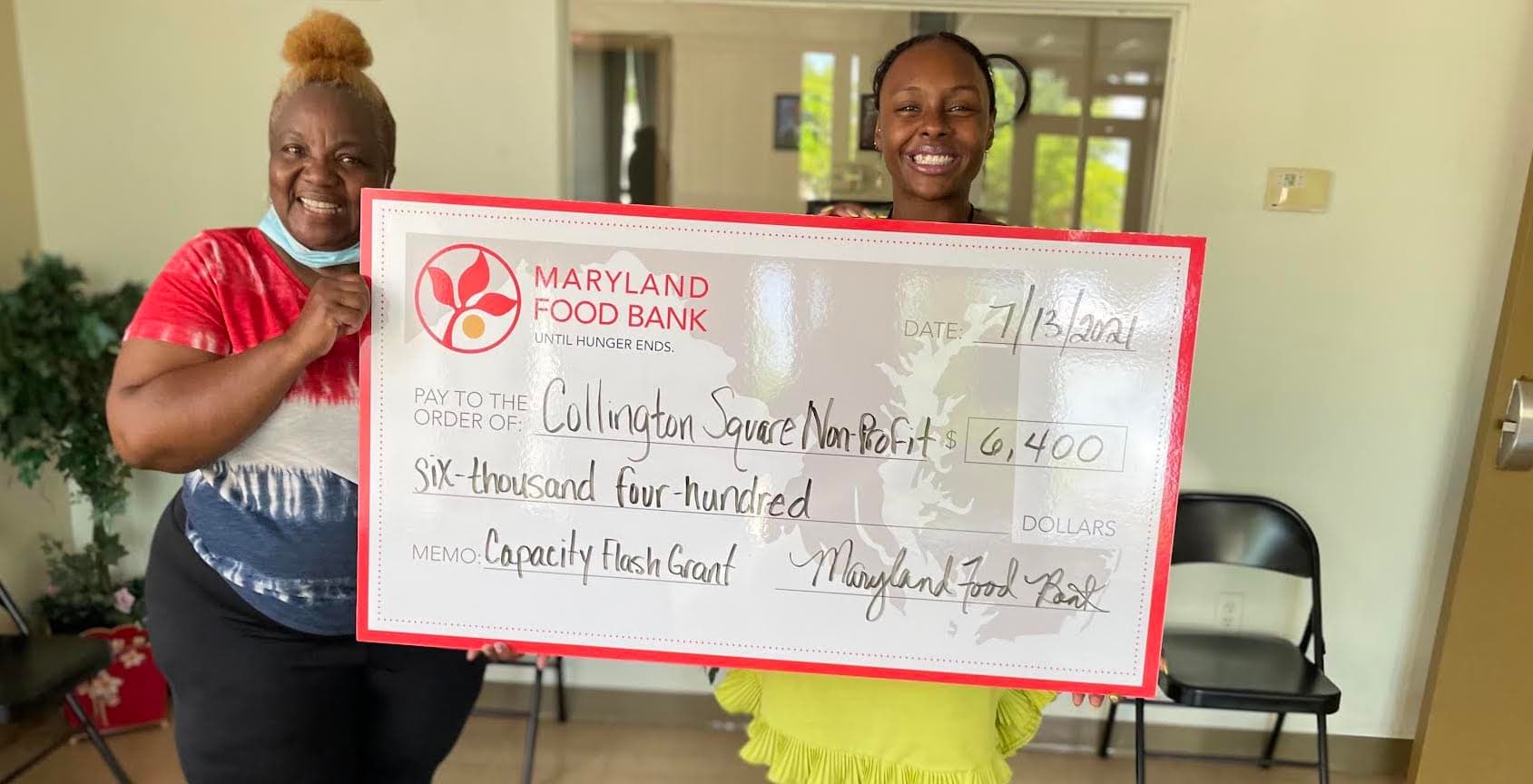
The shift matters because Feeding America says its network spans more than 200 food banks and 60,000 food pantries and meal programs, serving more than 46 million people each year. In Maryland, Food First Capacity Grants launched in early 2019 and have since covered food, freezers, technology, shelving, vehicles and even a building for nearly 200 network partners. Its Hunger Hotspot Grants, now in their third year, push local partners to craft sustainable proposals with help from regional staff.

That changes who has leverage inside the hunger system. Food banks are no longer just warehousing boxes and moving them out the door; they are deciding which partner sites get refrigeration, which get software, and which leaders get training. North Texas Food Bank expects current funding for its grant program to run out next year, and it has already lowered the maximum capacity award from $12,000 to $7,000 after seeing pantries request smaller amounts. The result is a more tailored system, but also a more explicit one, where partner organizations have to learn how to document need, build budgets and compete for support that used to arrive more informally.
For A Simple Gesture, that lesson lands close to home. Started by Jonathan Trivers in Paradise, California, and launched in Guilford County in 2015, the organization says it had helped generate more than 8,000,000 child-size meals and $13,000,000 in donated food value by December 2025, with more than 75 pantry partners, 3,900 recurring food donors and 200 monthly volunteers. Its green bag pickups, corporate collections and food recovery runs already depend on partner readiness, not just donor volume.
If a pantry lacks shelves, cold storage or a basic intake system, more recovered food can still stall before it reaches families. The new grant-making model shows why route coordinators, volunteers and chapter leaders need to think beyond collection counts: system health now depends on giving partners the tools to say yes reliably.
This article was produced by Prism’s automated news system from verified source data, official records, and press releases, then run through automated quality and moderation checks before publishing. The system is built and supervised by the people who set the standards it runs under. Read our full AI policy.
Did this article answer your question?