Wichita Falls Food Bank Launches $17 Million Expansion Campaign
Only five of 12 counties have supermarket-level grocery access, so Wichita Falls Area Food Bank is trying to raise $17 million for a bigger warehouse and education center.
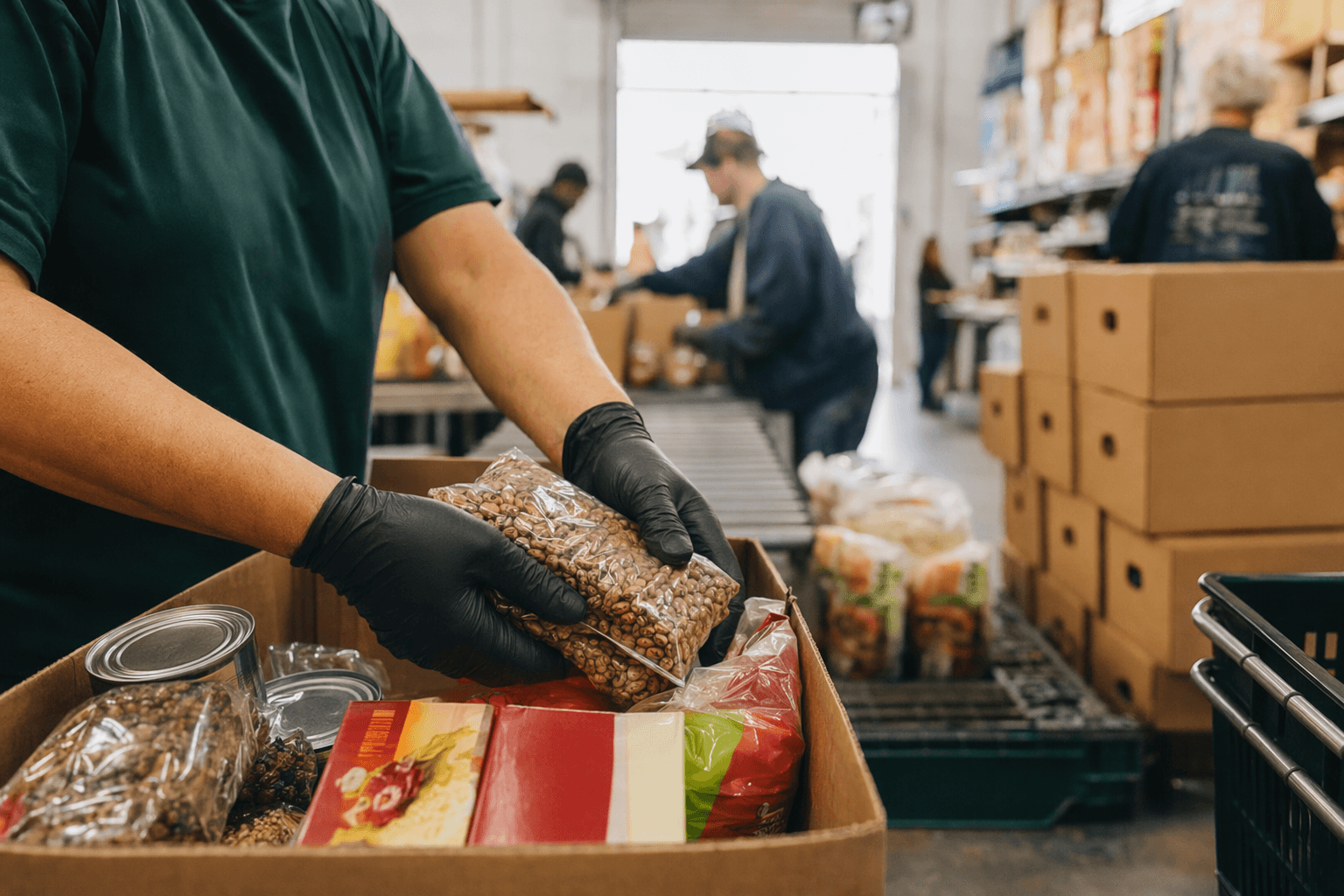
The Wichita Falls Area Food Bank is betting that more storage space will mean more food on the table across 12 North Texas counties. At a public launch at 1230 Midwestern Parkway in Wichita Falls, the nonprofit unveiled its Nourishing Lives, Building Tomorrow campaign to raise $17 million for the James N. McCoy Foundation Distribution and Education Center.
The pitch is not about a nicer building. It is about removing a bottleneck. The food bank says its current cooler and freezer space cannot support all the healthy food the region needs, even though it already serves as the hub for charitable food distribution across more than 11,000 square miles. The organization says it works with more than 90 community partners and food pantries, and that more than 3,100 different people receive emergency food each week.
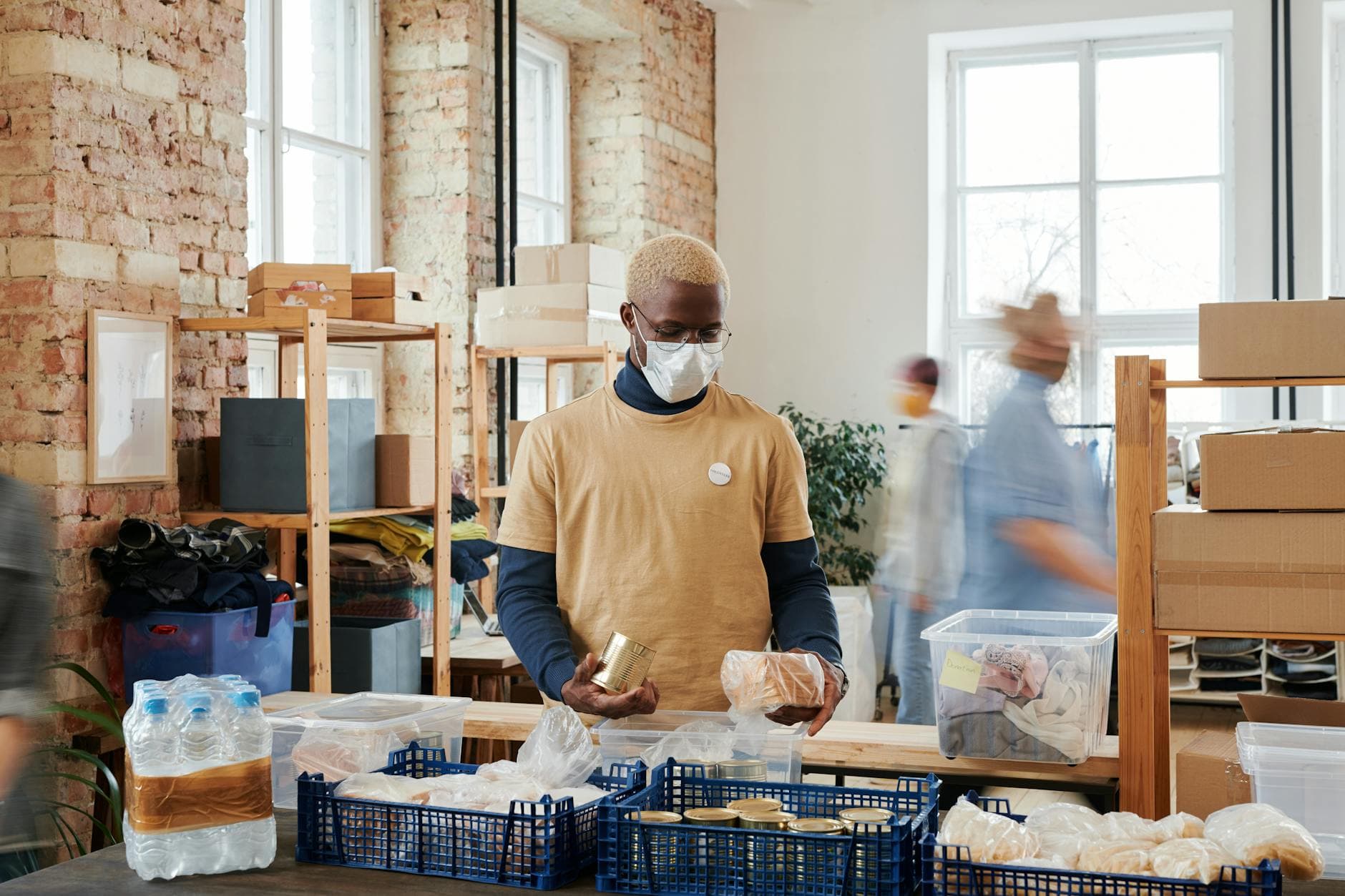
The scale of need is what makes the expansion more than a capital project. The food bank says 1 in 5 people in its service area face hunger, and local reporting has put the number of neighbors experiencing hunger at about 41,750. One in four children across the 12 counties is affected as well. In one Feeding America ranking, the region stood 15th out of 200 food banks nationwide for food insecurity, while an earlier report put it at 14th, a reminder that the demand pressure is not easing.
Access is part of the story too. David O’Neil said the food bank serves 12 counties, but only five of them have supermarkets comparable to Sam’s Club, Walmart, Aldi, or United. In that kind of service area, the food bank is often the main source of fresh food for families who are far from a full-service store.
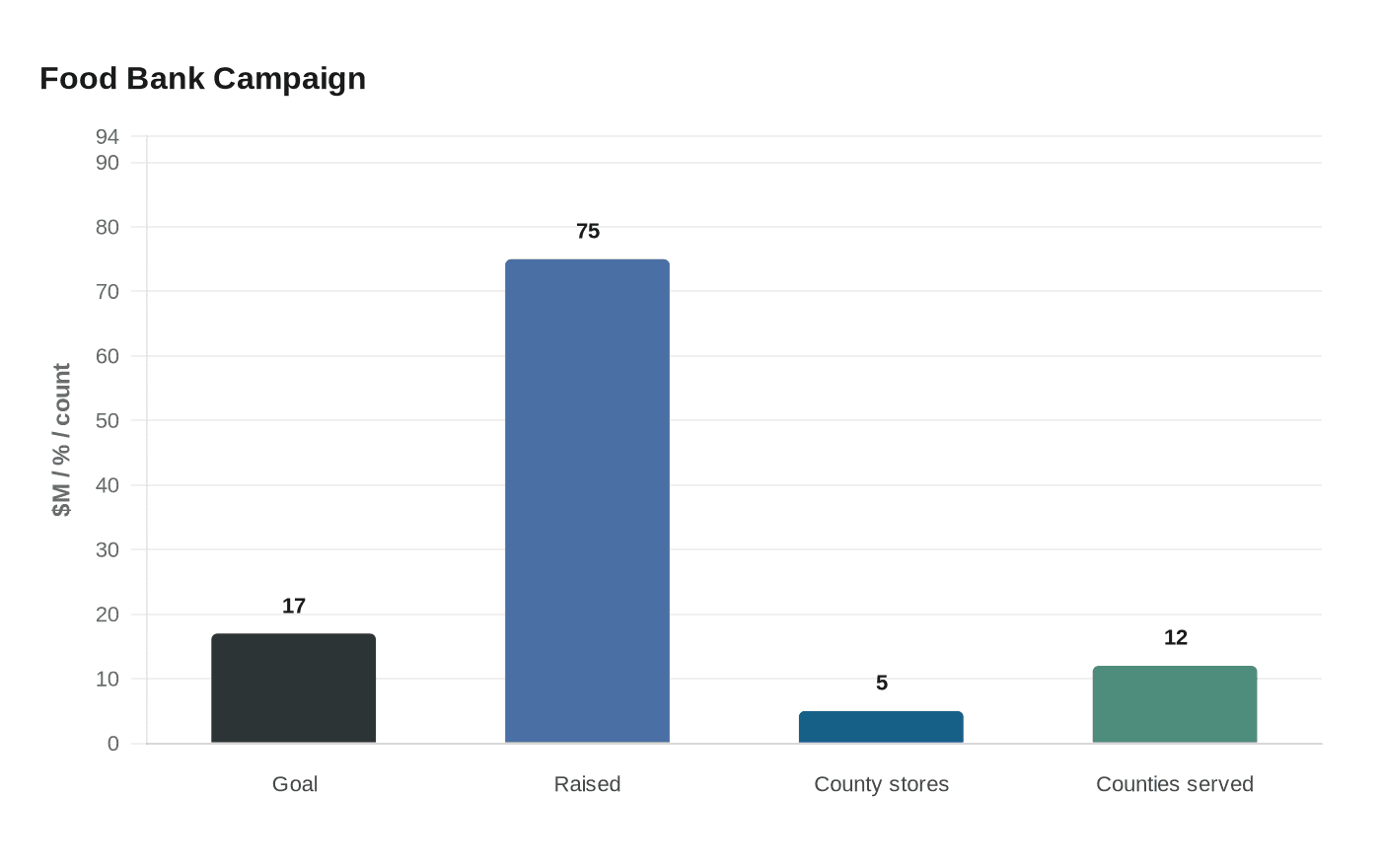
The campaign is already most of the way there. About 75 percent of the $17 million goal had been raised when the launch became public, and the organization says the new center is meant to expand both distribution and education. That matters for the people who move the food, sort the donations, and coordinate partner pantries: the payoff is not abstract growth, but a facility built to handle more meals, more frequent emergency help, and a larger regional load that the current building has outgrown.
Know something we missed? Have a correction or additional information?
Submit a Tip