West Virginia food bank opens massive warehouse to speed food distribution
A 864,000-square-foot warehouse in Gassaway gave Mountaineer Food Bank more cold storage to move fruit, milk and proteins faster across 48 counties.
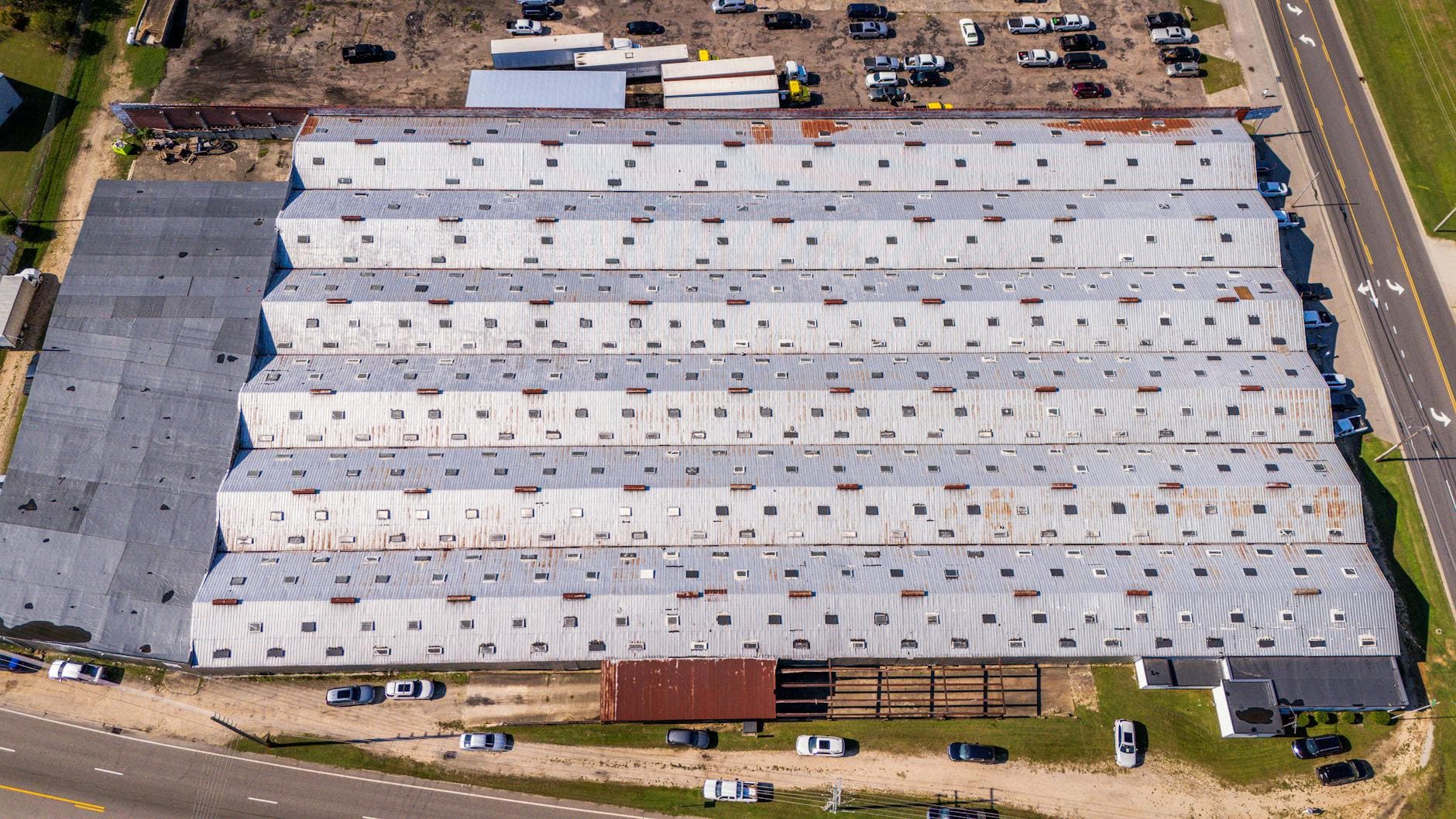
Mountaineer Food Bank’s new Gassaway warehouse changed the basic math of food recovery in West Virginia. The 864,000-square-foot facility gave the food bank a much larger, centrally located hub to move inventory faster and reach 48 of the state’s 55 counties with less delay, a shift that matters most for food that cannot sit long on a shelf.
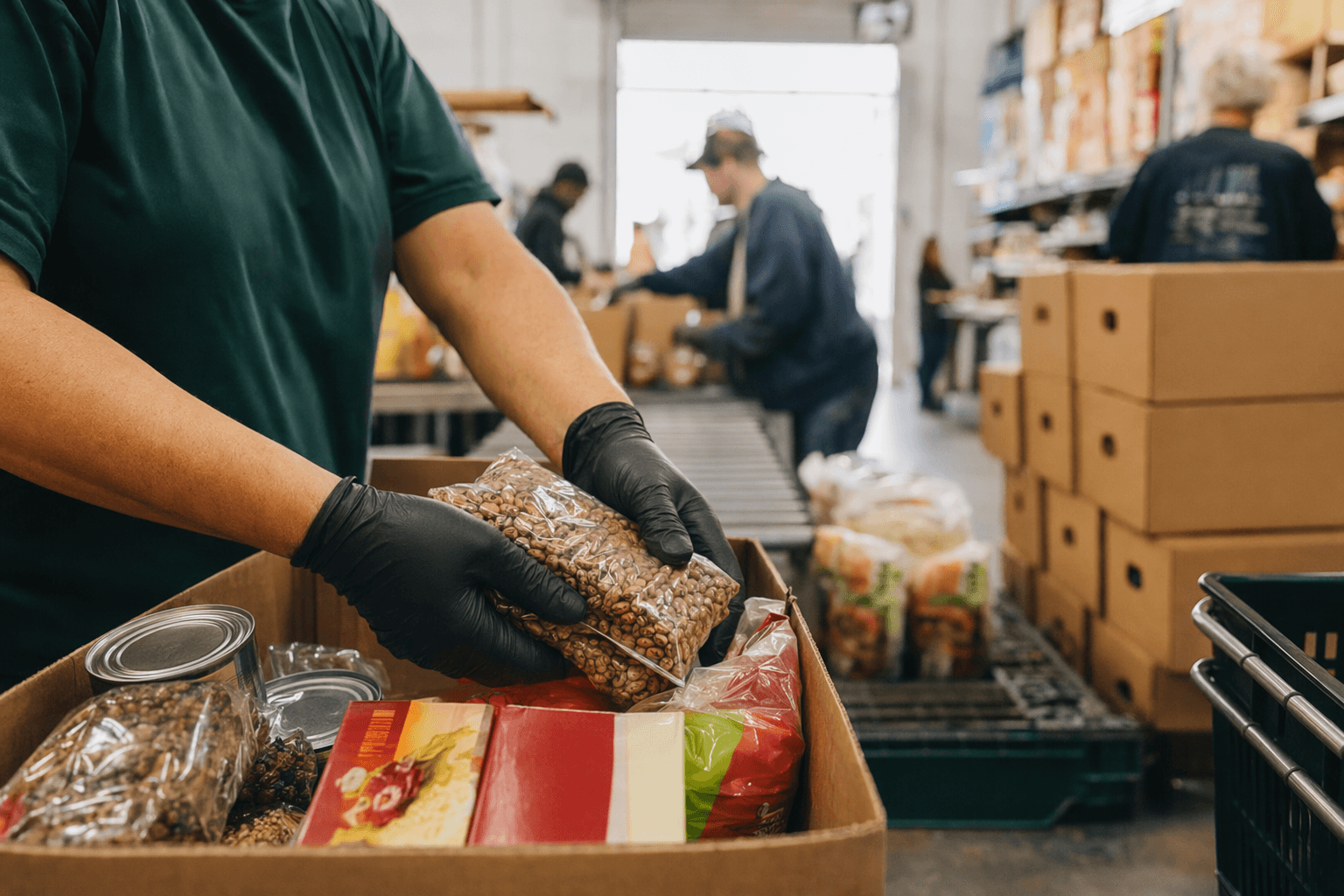
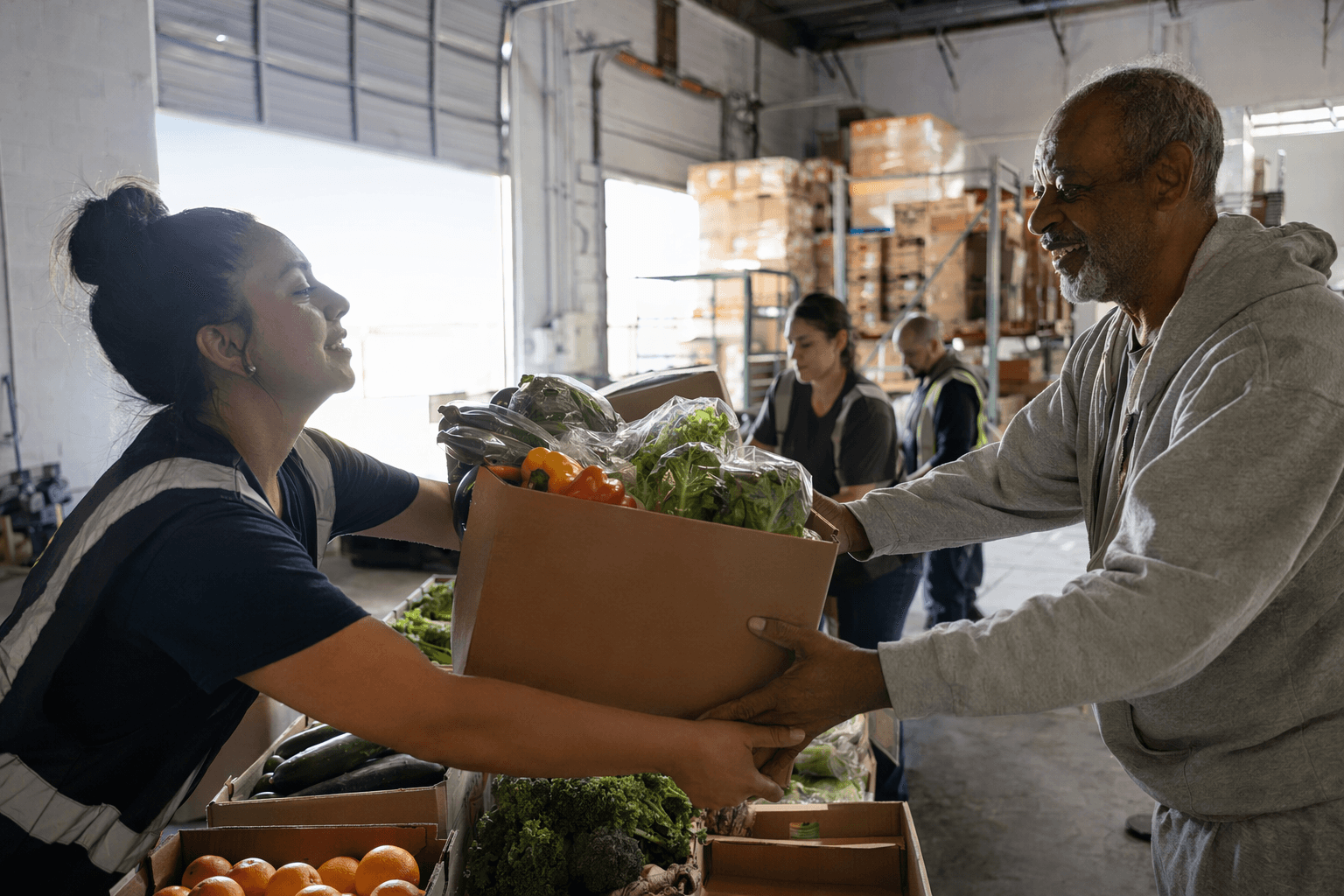
The biggest operational change was cold storage. Leaders said the building was designed with expanded refrigerated and frozen space, which opens the door to handling more fruits, vegetables, milk and proteins instead of leaning mainly on shelf-stable goods. In practice, that means the warehouse is not just a place to store donations. It is a speed tool and a cold-chain tool, the kind of infrastructure that can keep healthier food moving before it spoils.
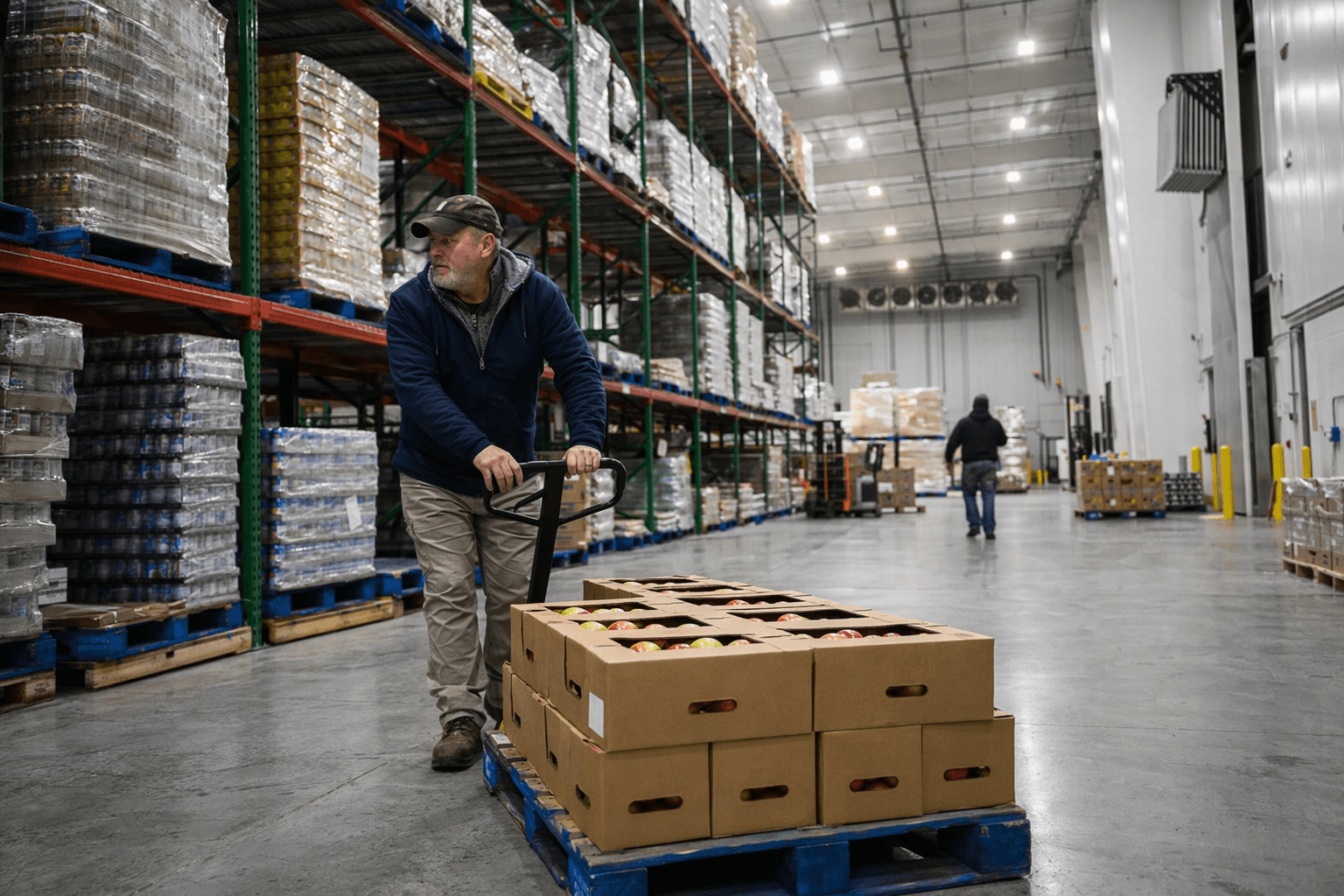
That has direct bearing on how food-recovery systems work at the ground level. A larger, centrally placed warehouse can shorten the time between donation, sorting and delivery, which improves the odds that fresh food reaches pantries in usable condition. It also gives the food bank more room to absorb unexpected surges, whether from a large donation, a school collection, or a weather event that disrupts normal distribution. For organizations that rely on volunteers, route planning and pickup timing, the lesson is straightforward: capacity is not only about volume, but about how quickly food can be handled once it arrives.
The need is large. About one in six West Virginians lacks consistent access to adequate food, including one in five children. That makes the warehouse more than a warehouse. It is part of the state’s response to a persistent access problem that hits families, schools and rural communities differently depending on how far they are from a pantry or distribution site.
For food-recovery groups such as A Simple Gesture, the takeaway is clear. Warehouses, refrigerators, trucks and pickup schedules are operational decisions that shape what kind of food actually reaches neighbors. A bigger, better-located facility does not replace volunteer networks or pantry partnerships, but it can make the whole system more efficient, more resilient and better able to move the foods that matter most.
Know something we missed? Have a correction or additional information?
Submit a Tip