Food banks get more intentional about matching volunteers to tasks
Food banks are splitting volunteers into specialized roles, and A Simple Gesture’s route-based calendar shows how that model reshapes scheduling, training and retention.
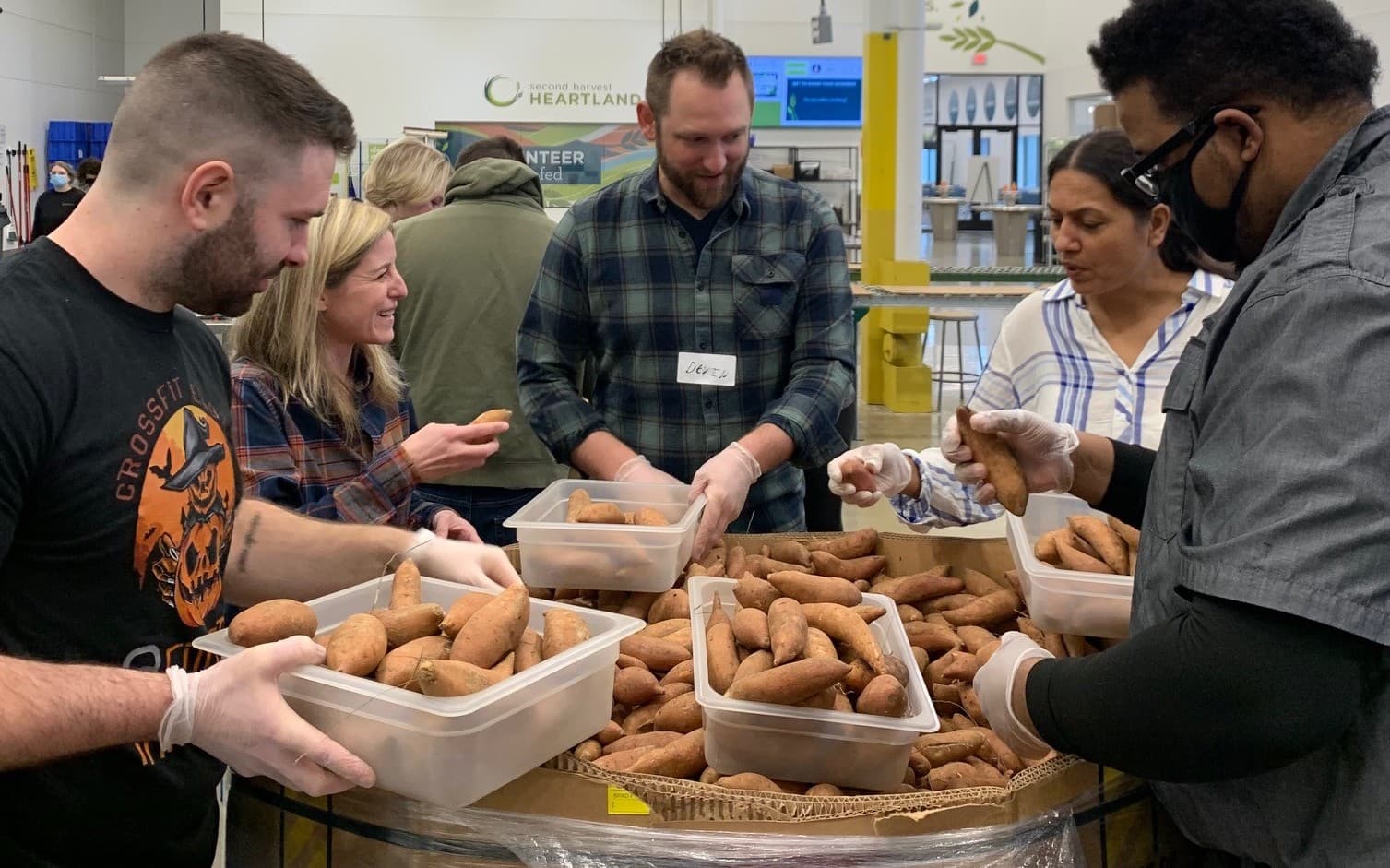
Food banks are moving away from the old assumption that any willing helper can do any job. The sharper model treats volunteers more like a workforce system, with separate assignments for packing produce, sorting food, delivering boxes, handling administration and taking on skills-based projects that require more than a pair of hands.
Second Harvest Heartland is one of the clearest examples of that shift. The Minnesota food bank has organized its volunteer portal into distinct categories, including Event Support, Food Repacking, Driving, Direct Neighbor Support, Administrative Support and Skills-Based Projects. It also uses short-term assignments for professional expertise, with projects that can run from a one-hour consultation to multi-week work. That kind of segmentation reflects a broader change in hunger relief: the job is no longer just finding volunteers, but matching the right volunteer to the right task.

The move is practical, not cosmetic. Food banks that depend on steady flow-through operations need people who can show up reliably, learn a specific process and repeat it without constant re-training. A service enterprise model, which only 11 percent of nonprofits nationwide have earned through Points of Light, signals that volunteer management has become a core operating discipline, not an afterthought.
That same logic runs through A Simple Gesture’s work in Guilford County. Since 2015, the organization has made doorstep food recovery easier through its Green Bags Food Donors and Food Recovery programs, but its volunteer structure shows the same preference for specialization. The group recruits volunteer drivers, asks for help with bag sorting and folding, and also offers special projects and donor sign-up support. Its volunteer calendar goes further, separating work into route-based assignments such as Orange Tag Pick Ups, Green Tag Pick Ups, Blue Tag Pick Up, White Tag Pick Up and Purple Tags for the Refugee Feeding Network.
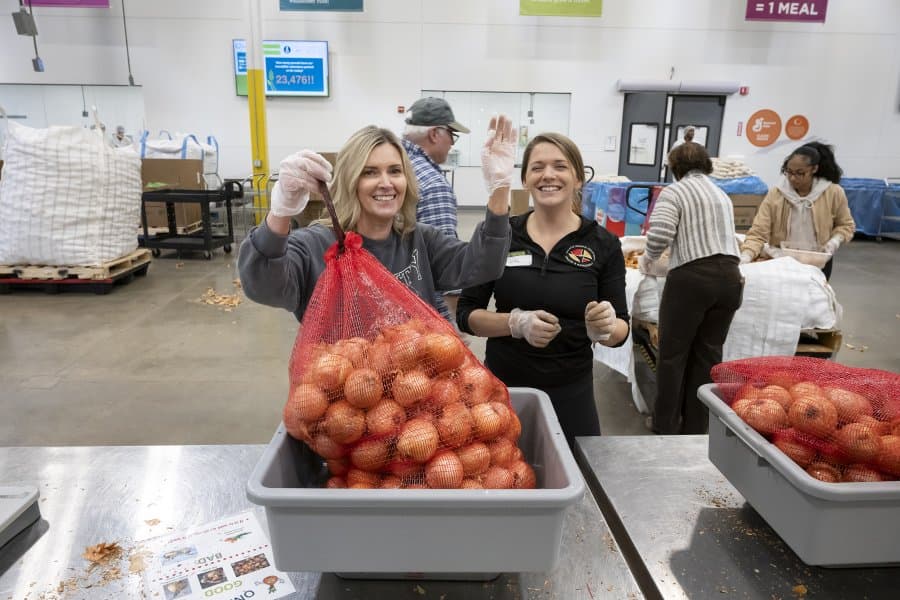
For a neighborhood food recovery nonprofit, that kind of division matters day to day. Recurring route helpers need different reminders, different expectations and different training than someone who only comes in for a one-time project or a donor outreach push. A more segmented system also gives coordinators a clearer way to keep volunteers engaged as their schedules change, instead of losing them when the work starts to feel too broad or too random.
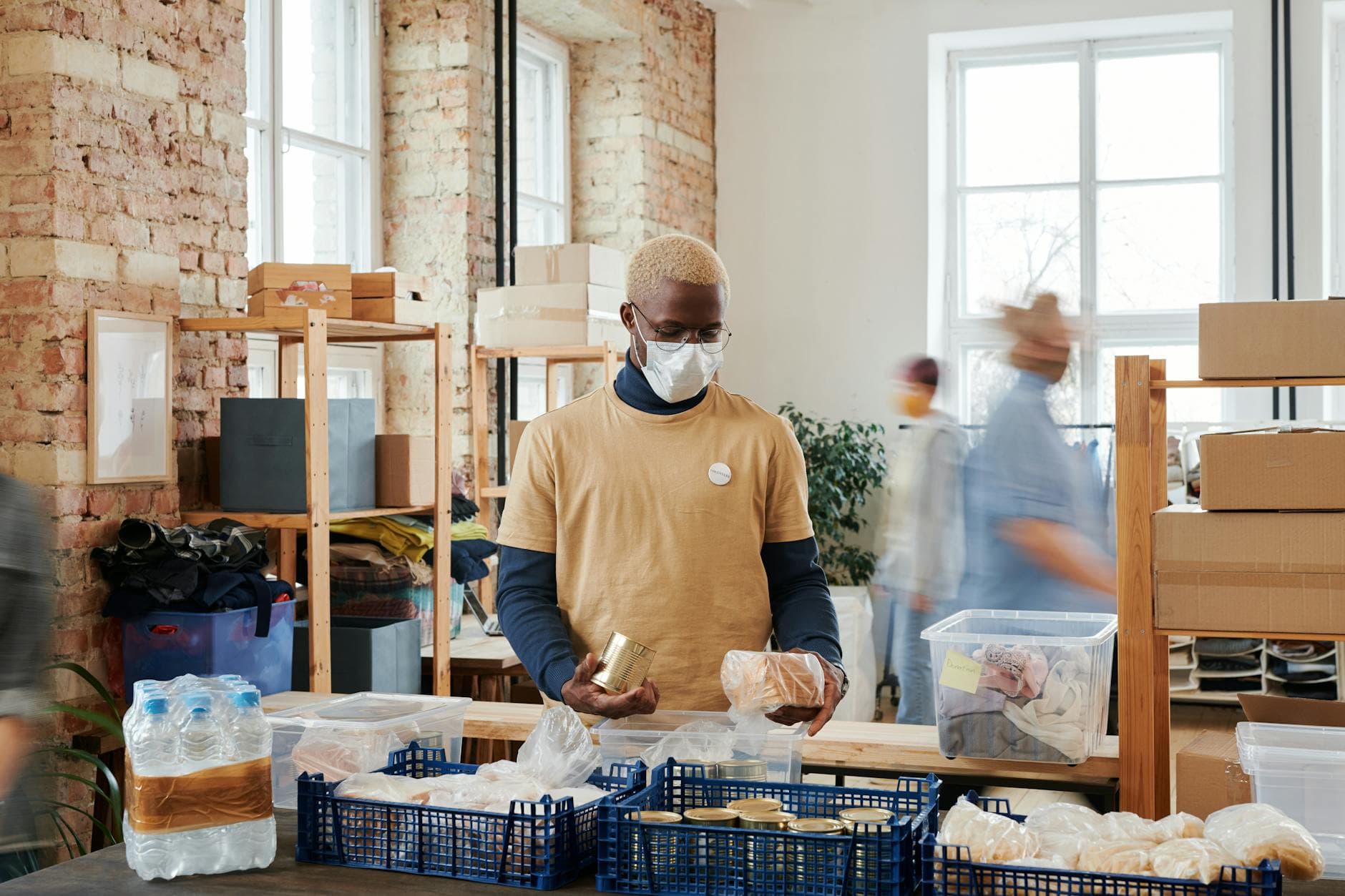
A Simple Gesture says the approach has helped scale a model that began in Paradise, California, in 2011 and has spread to more than 70 chapters nationwide. In Guilford County, the organization says it had more than 8,000,000 child-size meals donated, a $13,000,000 value of donated food, 75-plus pantry partners, 3,900-plus recurring food donors and 200 monthly volunteers as of December 2025. That scale is why the mechanics matter. The more intentional the volunteer match, the more dependable the food recovery system becomes.
Know something we missed? Have a correction or additional information?
Submit a Tip