Food banks keep moving amid federal funding uncertainty and program reviews
Federal funding freezes briefly rattled hunger relief, and food banks responded by leaning harder on statewide coalitions, data, and local partners to keep food moving.
When federal grant and loan freezes briefly raised alarms across the hunger sector, the immediate risk was not abstract policy talk. It was a practical one: delayed food moving through distribution networks, tighter pantry inventories, and more pressure on local staff already managing supply, routes, and volunteer schedules. TEFAP, SNAP, WIC, and school meals sit at the center of that system, so even a temporary court-blocked freeze can force food banks to plan for instability before the rules settle.
That is why Blue Ridge Area Food Bank’s long view matters. Founded in 1981 and headquartered in Verona, Virginia, the organization serves an average of 148,200 people a month across 25 counties and eight cities, with distribution centers in Charlottesville, Lynchburg, Winchester, and Verona. Michael McKee, who said he would retire effective June 30, 2025 after 15 years with the food bank and 12 as CEO, has framed the work as one of endurance and coordination. The operational lesson is plain: the sector cannot wait for certainty, so it builds through collaboration, shared programming, legislative work, and coalitions that include non-food providers.
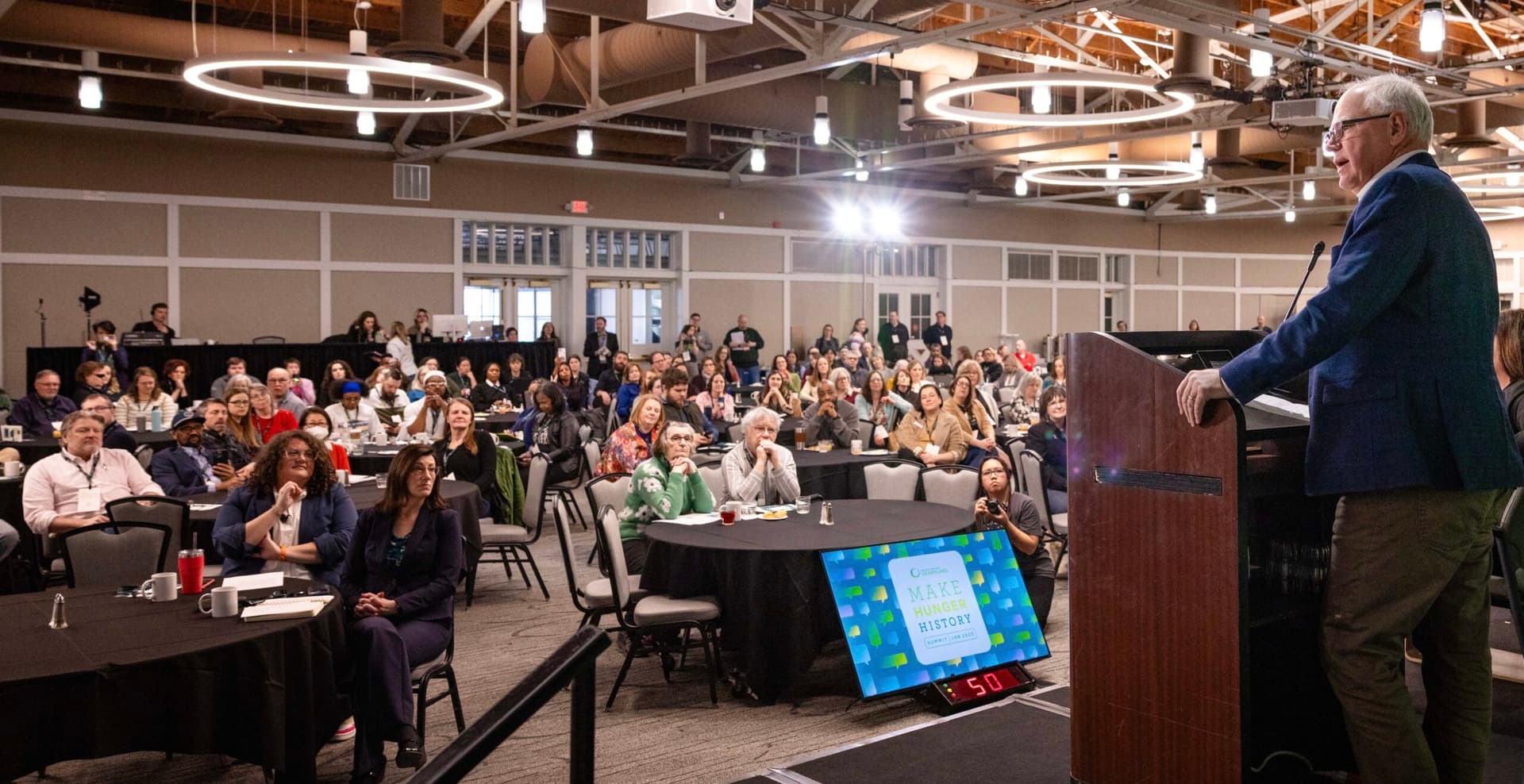
Minnesota showed the same dynamic from a different angle. Second Harvest Heartland’s 2025 Statewide Hunger Study found that one in five Minnesota households were food insecure, and its community report said rising housing, childcare, and grocery costs pushed households into crisis. The organization also said more than 35,000 volunteer visits helped pack food and emergency boxes, a reminder that local labor still has to scale when public systems strain. Second Harvest Heartland has said continuing its own statewide survey became crucial after federal hunger data collection ended in 2025, making local research part of the sector’s operating infrastructure.
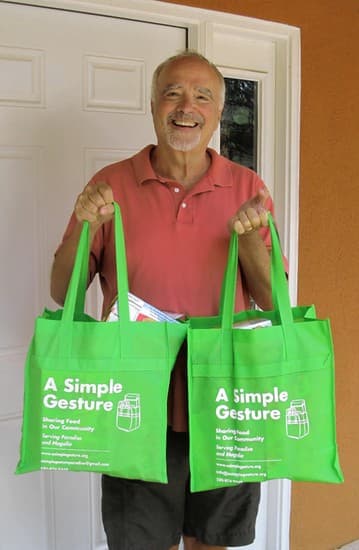
For A Simple Gesture, the policy risk lands in the same place: day-to-day execution. The group already relies on more than one channel, including food recovery with vetted nonprofits, Green Bag doorstep collection, and SHARE school refrigerators where students can leave unopened food for others. It says it works with dozens of local food pantries in Guilford County, has more than 1,700 food donors, and helps collect over 132,000 pounds of food each year. With U.S. food waste estimated at 30% to 40% of what is produced, that multi-route model is not just efficient. It is the buffer that helps keep shelves from going bare when outside funding gets shaky.
Feeding America’s national network, with 250-plus food banks, 20-plus statewide food bank associations, 10-plus regional co-ops, and 60,000-plus agency partners, shows why coalitions have become the sector’s real insurance policy. When federal rules shift, the organizations with the widest web of partners are the ones best positioned to keep food moving.
This article was produced by Prism’s automated news system from verified source data, official records, and press releases, then run through automated quality and moderation checks before publishing. The system is built and supervised by the people who set the standards it runs under. Read our full AI policy.
Did this article answer your question?