Food recovery evolves into medically tailored nutrition partnerships
Food rescue becomes more powerful when it supports patient health, not just pantry shelves. A Simple Gesture can use that shift to deepen farmer, clinic, and volunteer partnerships.
The useful lesson in SunTerra’s pivot
Food recovery gets more strategic when it stops thinking only about surplus and starts thinking about health. SunTerra Produce’s Project Food Box began as an outgrowth of the USDA’s Farmers to Families Food Box effort, which ran from May 15, 2020 through May 31, 2021 and delivered 176.4 million boxes at a cost of about $5.5 billion. USDA’s Agricultural Marketing Service says the program ultimately distributed more than 173 million boxes overall, a reminder that emergency food logistics can become real infrastructure when they are built at scale.
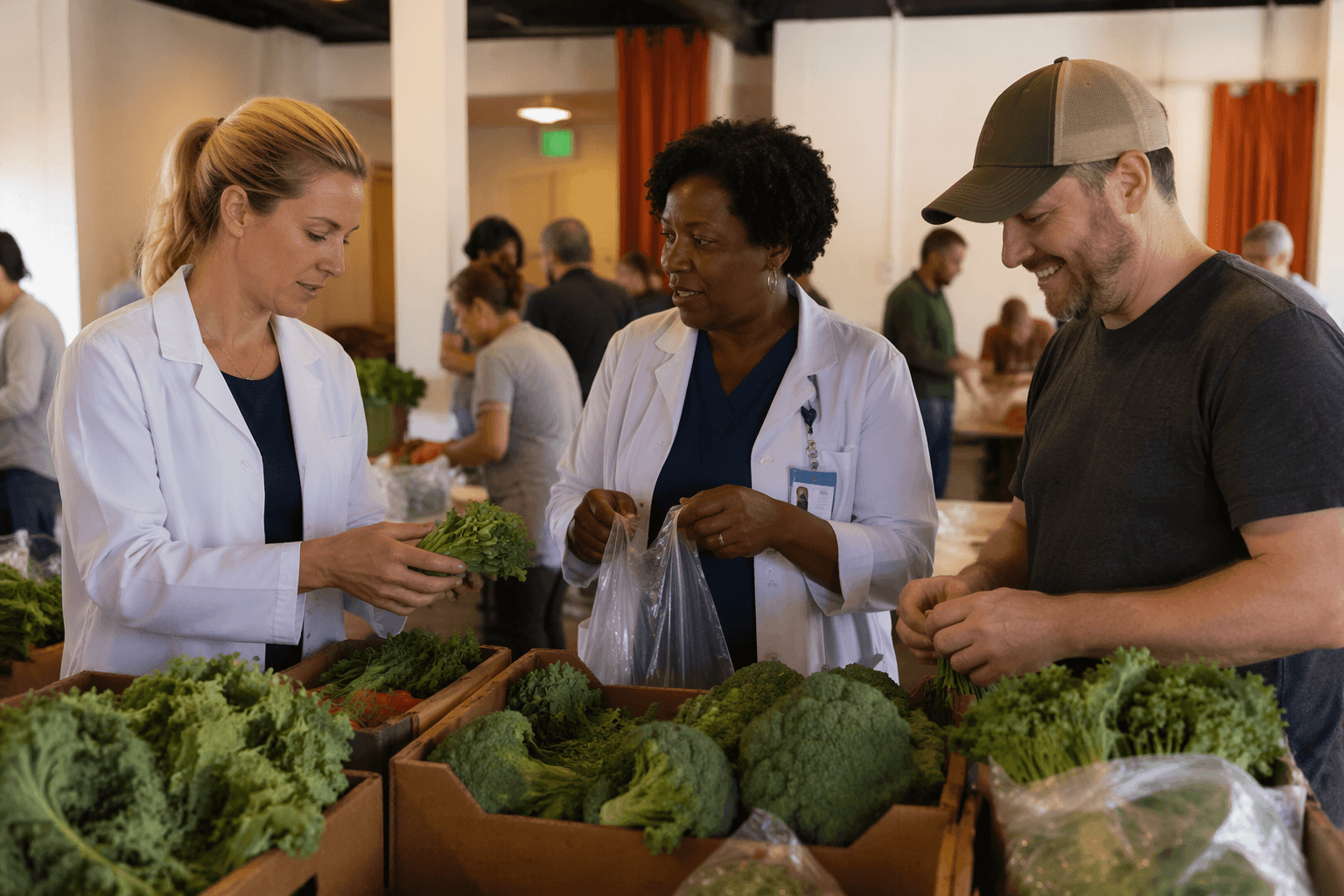
That is the part A Simple Gesture should pay attention to. The old model says collect what would otherwise be wasted and move it quickly to a pantry shelf. The newer model says food recovery can be a bridge between agriculture, healthcare, and community organizations, with produce moving into a channel that is designed not only to reduce waste but to improve outcomes.
Why the health care side matters
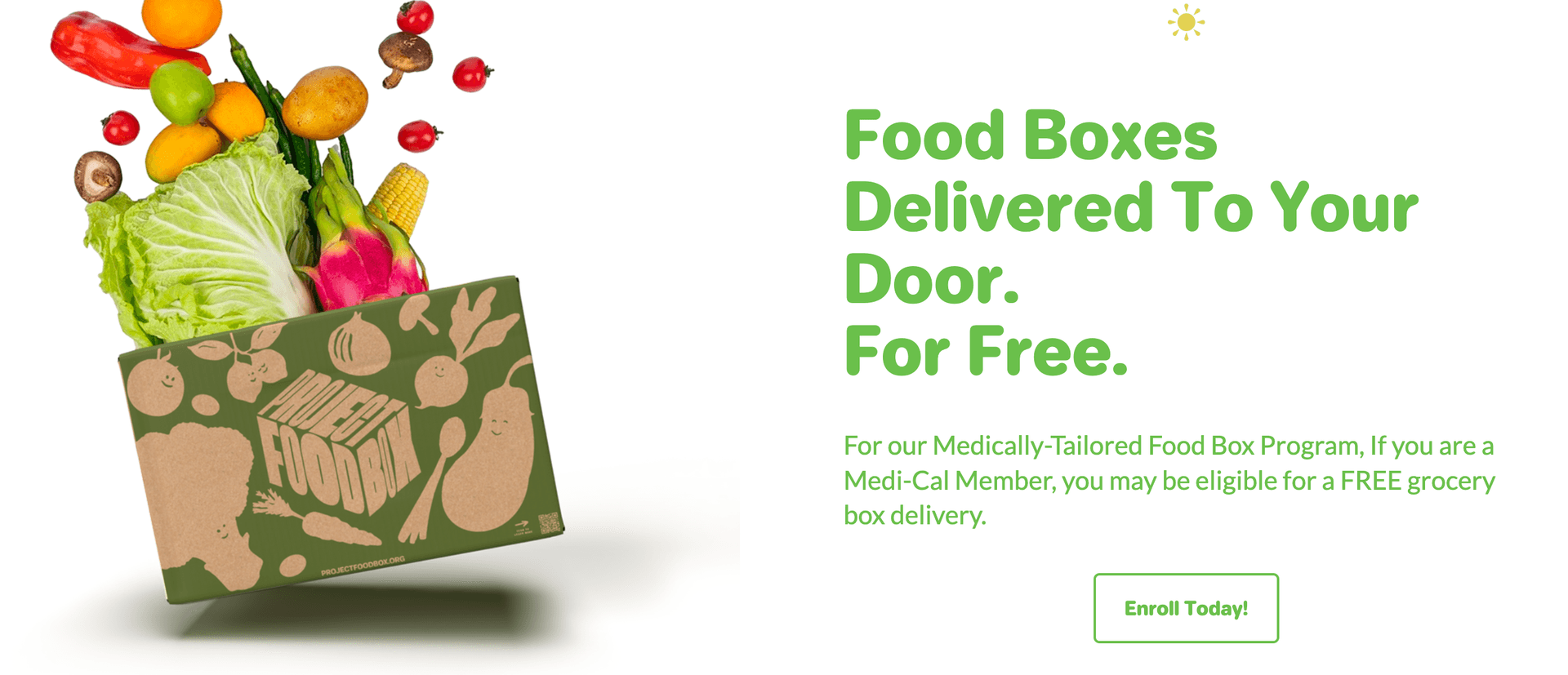
Project Food Box now says it offers medically tailored food boxes, pantry items, or frozen meals directly to members of qualifying insurance plans. The program is also part of California’s CalAIM Community Supports structure for Medi-Cal participants, and the California Department of Health Care Services says Medi-Cal managed care plans are encouraged to offer Community Supports, a set of pre-approved services intended to address health-related social needs.
That is what makes this more than a clever repackaging of donations. The Food Is Medicine Coalition says medically tailored food and nutrition services are meant to improve health outcomes, cost of care, and quality of life, while the American Heart Association has said Food is Medicine interventions have the potential to improve diet quality and food security. Put simply, healthcare systems are starting to view food as a tool they can use deliberately, not just a hardship they can occasionally acknowledge.
For food recovery staff, that changes the pitch. A produce partnership is no longer just about rescuing boxes of vegetables before they spoil. It becomes a way to align surplus food with a clinic’s goals, an insurer’s prevention strategy, and a community’s need for reliable access to healthy meals.
What Project Food Box shows about supply
SunTerra’s own story also matters because it shows how flexible the supply chain can be. Founder Steve Brazeel started the company in 2000, and Project Food Box leadership also includes Peter Wells. The company says up to 30% of some produce used in the program might otherwise go unharvested because of blemishes or size, which means the “rescue” part of the model can begin before food ever reaches retail.
That matters for any nonprofit trying to build durable partnerships with growers. If a farmer knows there is a repeatable channel for cosmetically imperfect but edible produce, the relationship is no longer a one-off donation arrangement. It becomes a planned outlet for food that can still serve people well, especially when the end user is a patient who needs fresh fruits and vegetables as part of a treatment plan.
Project FoodBox says it has delivered over 5 million boxes, or about 100 million pounds of food, to communities in Southern California including Los Angeles County, San Diego County, Riverside County, and Imperial County. Those numbers matter because they show that the model is not theoretical. It has moved from concept to operating system, and that scale is what makes hospitals, insurers, and public agencies pay attention.
What this means for A Simple Gesture
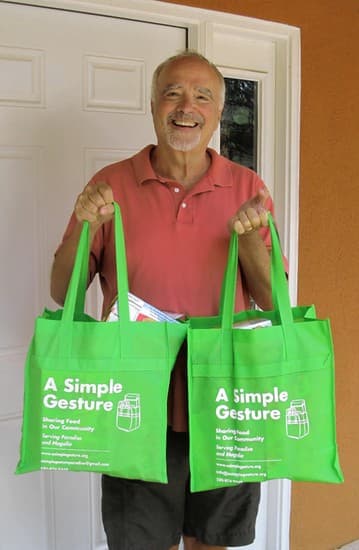
A Simple Gesture already works in a version of this world. It rescues edible food from businesses and delivers it to local nonprofits in Guilford County, and its green bag program depends on careful pickup routes, dependable volunteers, and pantry partnerships that can absorb donations quickly. The organization also notes that the U.S. wastes 30% to 40% of the food it produces, which is exactly why logistics, timing, and trust matter so much in the first place.
The practical lesson is not to imitate a healthcare program wholesale. It is to look for where A Simple Gesture’s existing network could connect to local clinics, health departments, produce donors, or community health programs that want to improve nutrition in measurable ways. That could mean prioritizing produce that is especially useful for patients with diet-sensitive conditions, coordinating pickup routes around perishable items, or working with partner pantries that already serve families managing chronic illness.
It also changes how you talk about the work inside the organization. Volunteer recruitment is easier when the mission feels concrete, and retention gets stronger when people can see that a Saturday route is not just moving boxes, it is helping keep good food in circulation where it can matter most. Coordinators can use that framing when they explain why a load of peaches, greens, or squash needs extra care, because the value of rescued produce is not only in calories or pounds recovered.
A better partnership model for the next phase
The most useful part of the SunTerra example is that it treats food recovery as a platform, not a destination. The same operational muscle that once moved emergency boxes during the pandemic can later support medically tailored nutrition, community health goals, and more predictable channels for farm surplus.
For A Simple Gesture, that is the opportunity. The organization already knows how to build neighborhood reach through collection, sorting, and delivery. The next layer is to treat those capabilities as the foundation for cross-sector partnerships that make produce rescue more strategic, more visible, and more useful to the people who need it most.
This article was produced by Prism’s automated news system from verified source data, official records, and press releases, then run through automated quality and moderation checks before publishing. The system is built and supervised by the people who set the standards it runs under. Read our full AI policy.
Did this article answer your question?