Stamp Out Hunger drive shows simple donation campaigns can scale nationally
Stamp Out Hunger turns one mailbox-side bag into a nationwide food recovery machine, and the lesson for coordinators is simple: prepare the routes, sort space, and pantry handoffs before the volume lands.
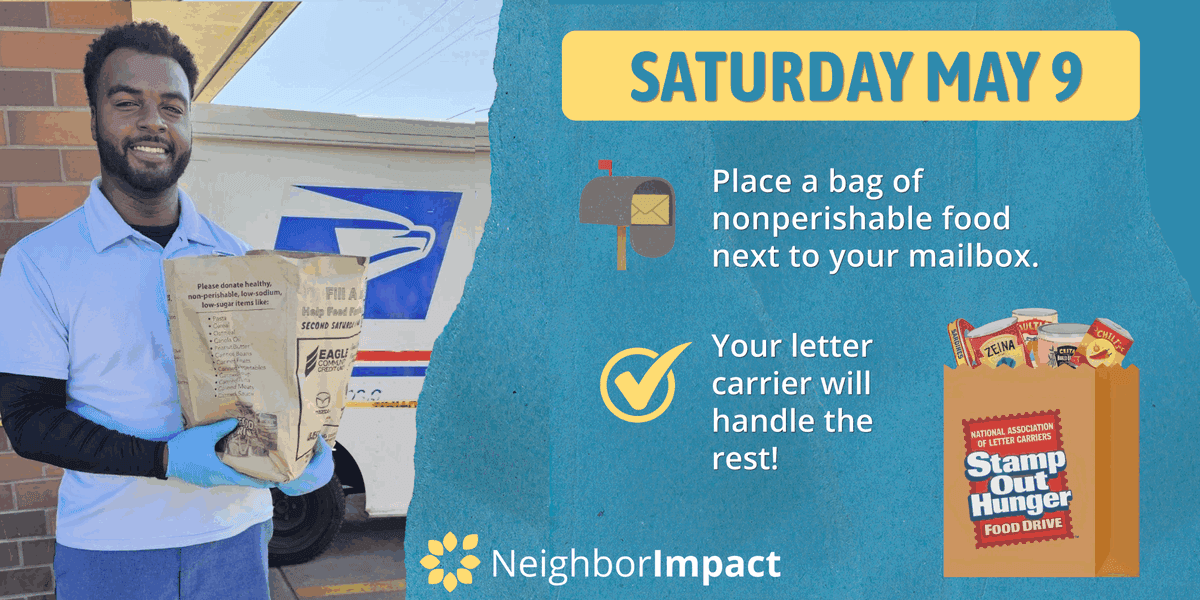
A single, easy instruction is what makes Stamp Out Hunger scale: leave nonperishable food by the mailbox, and the nation’s letter carriers handle the rest. The drive is set for Saturday, May 9, 2026, and the National Association of Letter Carriers says it remains the largest all-volunteer one-day food collection effort in the country, organized in 10,000 cities and towns across the United States.
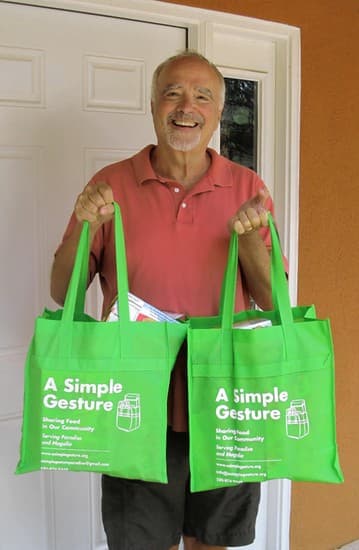
For A Simple Gesture and similar neighborhood food recovery groups, that model is more than a civic tradition. It is a working lesson in logistics. When donors do not need to learn a complicated process, the burden shifts to the receiving network, which has to be ready for a concentrated surge in bags, boxes, and pantry-bound sorting. In Central Oregon, residents can place donations next to their mailboxes for local letter carriers to collect, a reminder that the campaign works because it uses infrastructure already on the street.

The operational clock already started. NALC’s registration deadline for branches was Friday, March 20, 2026, which means the route map is set and local collections are now moving toward execution. For coordinators, the next step is not publicity but readiness: enough volunteers to receive the food, enough room to sort it fast, and pantry transfer plans that keep goods moving instead of stacking up. A one-day drive can create the same pressure as a holiday donation spike, only compressed into a single pickup cycle.

The national history behind the campaign shows why the format has endured. A revamped drive on May 15, 1993, the second Saturday in May, was built around the goal of getting at least one branch in each of the 50 states involved. More than 220 union branches took part, and the first effort collected more than 11 million pounds of food, then a one-day U.S. record. NALC later reported 70.6 million pounds collected in 2015 and 75.7 million pounds in 2018, evidence that a simple route-based ask can produce enormous results when the collection system is tight.
That scale matters to A Simple Gesture in Guilford County, where the organization says it has served the community since 2015, partners with dozens of local food pantries, and runs food recovery programs that rescue edible food from businesses and deliver it to local nonprofits. It also points to the larger waste problem the sector keeps confronting: A Simple Gesture says 30% to 40% of U.S. food produced is wasted. Stamp Out Hunger works because it narrows that gap with one clear instruction and a logistics chain that already knows how to move.
This article was produced by Prism’s automated news system from verified source data, official records, and press releases, then run through automated quality and moderation checks before publishing. The system is built and supervised by the people who set the standards it runs under. Read our full AI policy.
Did this article answer your question?