Food recovery groups widen volunteer roles to include non-drivers
Food recovery grows faster when volunteer work is built for people without cars. A Simple Gesture’s green bag system shows how non-driver roles can widen coverage and keep pickups reliable.
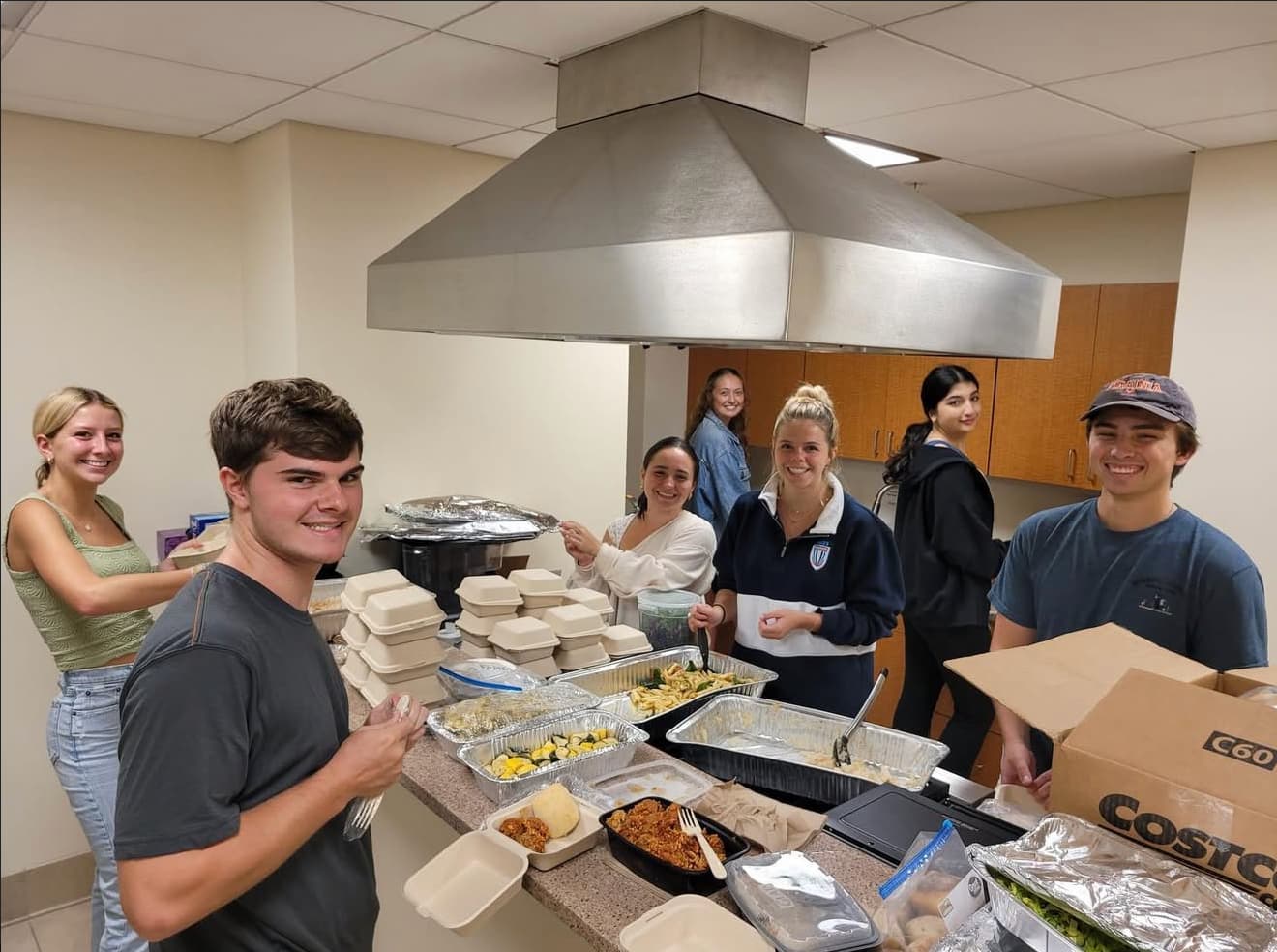
A food recovery program can only be as inclusive as its volunteer design. Food Recovery Network’s chapter-level lesson is blunt: when recovery depends on students with cars, students without vehicles get shut out, and the work becomes smaller than the need.
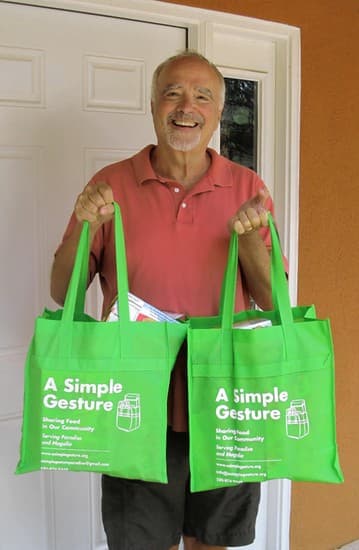
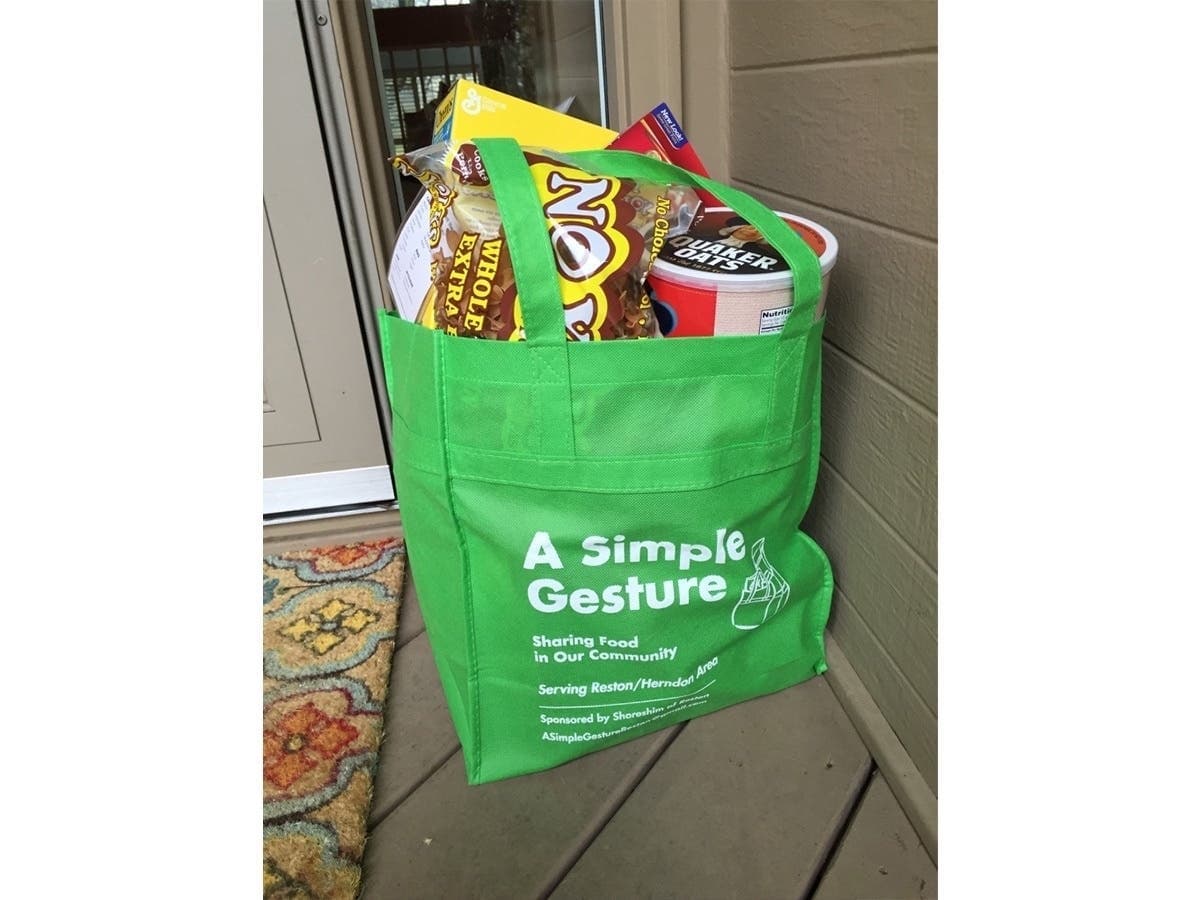
That is the operational warning for A Simple Gesture. Its green bag model already depends on easy participation, with donors leaving a bag on the doorstep for volunteers to collect and replace, but the next step is bigger than driving a route. The system gets stronger when the nonprofit treats pickup as one part of a larger volunteer ecosystem, not the only job that counts.
Why transportation is a volunteer filter
Transportation assumptions quietly shape who gets to participate. In the University of Virginia chapter example, food recovery initially leaned on students with cars, which meant a capable group of volunteers was excluded for no reason other than access to a vehicle. The fix was not to wait for more drivers; it was to diversify the work and make logistics more creative.
That is the right frame for neighborhood food recovery networks like A Simple Gesture, where the volunteer pool needs to be broad enough to survive absences, work schedules, school demands, and uneven access to transportation. If a program only values driving, it narrows itself to people who can already absorb the cost of ownership, insurance, fuel, and time. When the role list expands, the volunteer base gets more stable.
Designing roles around the pickup ecosystem
Food recovery does not have to be a single job. The Food Recovery Network example points to food reapportionment events, pantry stocking, fundraising, transportation support with wagons, and other tasks that do not require a personal vehicle. It also stresses correct labeling, sustainable packaging, and pantry stock that stays flexible enough for allergies or dietary needs.
Feeding America’s volunteer guidance reinforces the same management logic. It recommends new volunteer roles such as greeter, co-shopper, shelf stocker, cooking demo leader, nutrition educator, fundraiser, communications helper, and marketing support. It also says organizations should build job descriptions around interests and create opportunities for volunteers of different abilities, which turns volunteering into role matching instead of shift filling.
For A Simple Gesture, that means the pickup route is only one lane in a wider operation. Non-drivers can sort, stock, label, pack, clean, track pounds, organize events, write thank-you notes, support logistics, and help with communications. If the organization builds those options deliberately, it gives people a path into the mission even when they cannot drive a Green Bag route.

What this means for A Simple Gesture’s model
A Simple Gesture already has a network that depends on scale and reliability. As of December 2025, it says it supports more than 75 pantry partners, has 3,900-plus recurring food donors, and works with 200 monthly volunteers. It also says its Guilford County model makes giving easy through door-to-door pickups, corporate pickups, and timely food recovery pickups.
The Green Bag system is the clearest example of how that machine works. Donors leave a bag on the doorstep, volunteers pick it up, leave a new bag, and deliver the donation to a pantry partner. That simplicity is powerful, but it also makes the volunteer pipeline vulnerable if the organization thinks only in terms of drivers.
- route planning and dispatch support for people who can help coordinate pickups
- pantry support for volunteers who prefer sorting, stocking, or labeling
- communications and donor follow-up for people who are organized but not mobile
- events, fundraising, and school outreach for volunteers with limited transportation
- food-drive coordination and corporate support for volunteers who want daytime or office-friendly work
A stronger model would spread responsibility across the whole operation:
That kind of division does more than broaden participation. It protects the route system itself, because the organization is not relying on a single type of volunteer to carry every part of the load.
Retention improves when the work fits real lives
The same redesign that widens access also improves retention. When volunteers can choose tasks that fit their schedule, transportation access, and physical ability, they are more likely to stay involved. Feeding America’s guidance explicitly notes that organizations should open some weekend or after-work hours for people who work or go to school during the day, and it says the right role can be found for almost anyone.
That matters for A Simple Gesture because its model depends on recurring participation, not one-off enthusiasm. The nonprofit says it has more than 3,900 recurring food donors and 200 monthly volunteers, which shows how much its work depends on repeat behavior. A role-based system helps keep those people in the loop, whether they are college students, retirees, parents, or staff at corporate pickup sites.
It also gives coordinators more flexibility when driver coverage gets thin. If a volunteer cannot drive, that does not have to mean they are unavailable. They may be a good fit for pantry work, donor messaging, or event logistics, which can keep them connected to the organization long after a single route assignment would have ended their involvement.
The need remains large enough to justify the redesign
The case for widening volunteer roles is not just internal efficiency. USDA says 13.7 percent of U.S. households, or 18.3 million households, were food insecure in 2024, and 5.4 percent, or 7.2 million households, had very low food security. Urban Institute found in December 2024 that one in 10 adults and more than 3 in 10 food-insecure adults had a time when they needed help from a free food site but did not get it.
The reasons were practical and familiar: people did not feel comfortable receiving help, did not know where to go, or could not get to the sites offering free food. That makes transportation and volunteer design part of the anti-hunger infrastructure, not just an internal staffing issue. If a program makes it easier for more people to volunteer, it can keep more routes covered and more food moving.
A system that scales only if the work scales with it
A Simple Gesture’s own history shows why this matters. The organization says it began with Jonathan Trivers in Paradise, California, where the original chapter grew to more than 1,700 food donors and collected over 132,000 pounds of food each year. The Guilford County nonprofit, established in 2015, follows that template, which was built around a simple idea: if the handoff is easy, people will give.
The broader food recovery landscape shows the stakes. EPA says 30 percent to 40 percent of the U.S. food supply is never eaten, and USDA has estimated that this amounts to about 133 billion pounds and $161 billion worth of food in 2010. Food Recovery Network says its own network has recovered nearly 25 million pounds of food, prevented 8,684.60 metric tons of CO2e, and saved 2.97 billion gallons of water.
That is why the volunteer question is not just about staffing. It is about system design. When A Simple Gesture builds roles for non-drivers, it does more than fill a roster. It makes the whole recovery chain more durable, more inclusive, and more capable of reaching the households and pantry partners that depend on it.
This article was produced by Prism’s automated news system from verified source data, official records, and press releases, then run through automated quality and moderation checks before publishing. The system is built and supervised by the people who set the standards it runs under. Read our full AI policy.
Did this article answer your question?