Food Recovery Network offers volunteer tools to strengthen A Simple Gesture chapters
Food Recovery Network's toolkits show A Simple Gesture how recognition, simple events, and clear roles can turn one-time helpers into a dependable volunteer core.
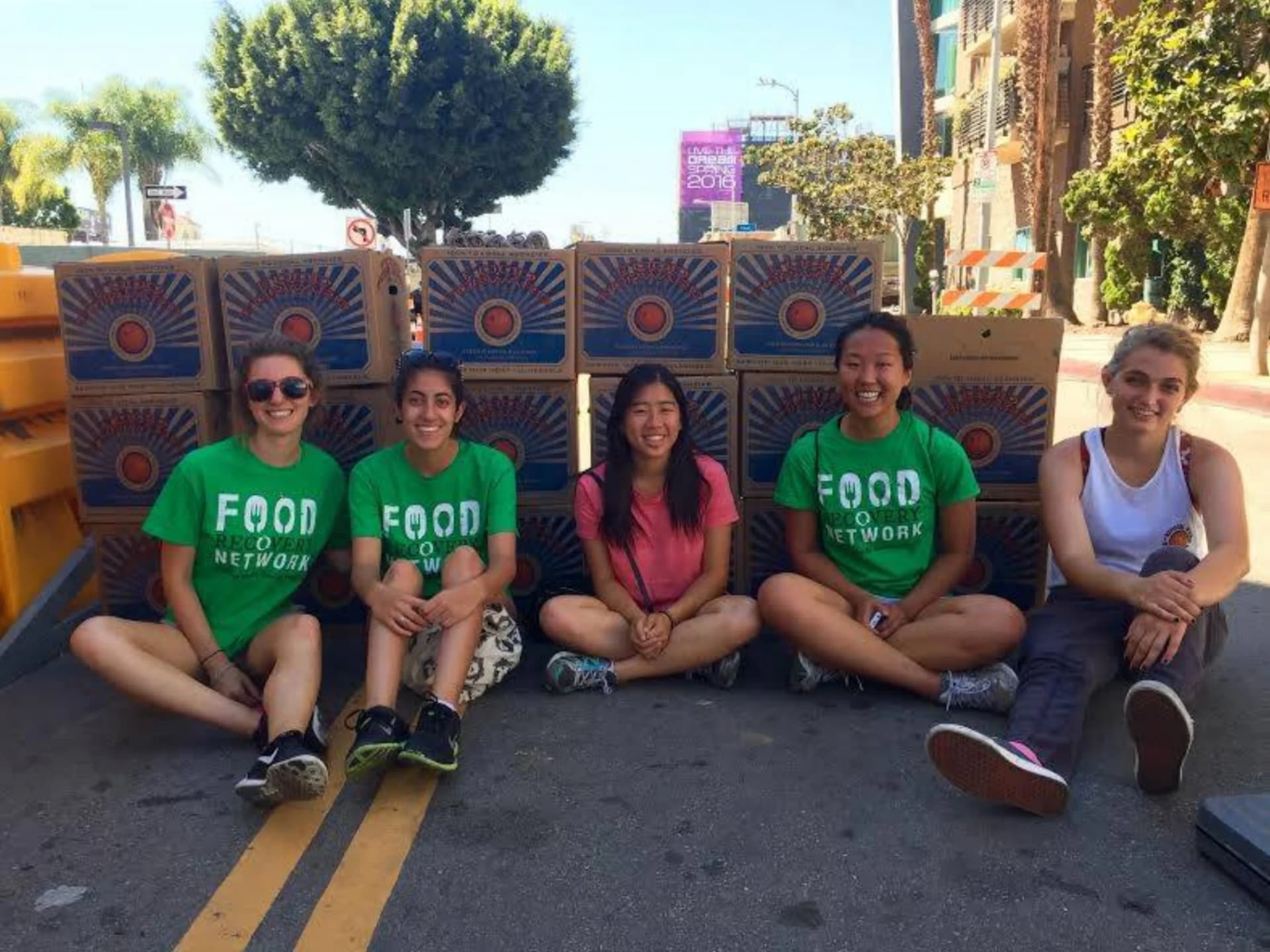
A missed driver or a weak handoff can ripple through A Simple Gesture’s green bag pickup routes and pantry deliveries. Food Recovery Network has built its volunteer resources around that problem, and the lessons fit A Simple Gesture’s green bag model.
Retention starts with role clarity
Food Recovery Network treats consistent volunteers as the backbone of a sustainable chapter, not a nice extra. Its volunteer resource page points organizers toward a volunteer recruitment guide, a Grocery Bingo Kit for outreach events, a Thank You Notes Party idea for showing appreciation, and a FarmLink Movie Night built around the documentary *Abundance*. That mix lowers the barrier to entry and gives people a social reason to come back.
For A Simple Gesture, that logic is practical. A doorstep donation system depends on people who know exactly what they are signing up for, from route timing to the physical demands of lifting, driving, and sorting. In Guilford County, A Simple Gesture requires volunteer food-recovery drivers to be at least 18, be able to lift 20-pound boxes, use a smartphone, drive a clean personal car, and wear closed-toe shoes. That kind of role clarity helps prevent a mismatch between what a volunteer expects and what the job actually requires.
The best engagement tools feel easy to repeat
Food Recovery Network’s chapter tools are simple enough to be repeated across neighborhoods, campuses, and teams, which is exactly what makes them useful to a volunteer coordinator trying to build habit instead of hype. A Grocery Bingo Kit can pull in new people without turning outreach into a lecture. A Thank You Notes Party turns appreciation into a group activity. A movie night tied to *Abundance* gives volunteers a shared story about why the work matters.
That same structure translates well to A Simple Gesture’s doorstep collection program, where the work happens in the ordinary rhythm of neighborhoods rather than in a one-time event space. If the first volunteer experience is social, clear, and low-pressure, people are more likely to see themselves as part of the operation instead of a temporary helper. In a small nonprofit team, it creates a repeatable entry point instead of forcing coordinators to reinvent the ask every month.
Recognition is not a perk, it is part of the operation
Food Recovery Network recommends prizes for participating in food recoveries, social media posts that share photos from recoveries, public recognition of volunteers, and appreciation events such as pizza parties, potlucks, or movie nights. People doing physical, time-sensitive work need to see that the organization notices.
That advice is especially relevant for A Simple Gesture because volunteer labor sits close to the organization’s public promise. The mission is visible on the doorstep and in the pantry, where donors, drivers, and partner nonprofits all have to trust the handoff. Recognition helps volunteers feel that they are not just filling slots in a schedule, but helping a neighborhood system function. A core group of returning volunteers keeps that system functioning.
- Give volunteers a named role, not just a task.
- Use simple appreciation rituals, not just annual thank-yous.
- Make the first shift social enough that people want a second one.
- Share the work publicly so volunteers can see the route from pickup to pantry delivery.
Scale depends on repeatable people, not just repeatable systems
Food Recovery Network’s broader mission is to unite students on college campuses to fight food waste and hunger by recovering perishable food that would otherwise go to waste and donating it to people in need. The network says it has recovered nearly 25 million pounds of food, donated more than 20 million meals, prevented 8,684.60 metric tons of CO2e, and saved 2.97 billion gallons of water. It also says it has built a network of more than 200 college and university student-led chapters and mobilized over 8,000 college student leaders and food system partners.
A chapter model only works when the same people come back often enough to learn routes, handoffs, and the rhythm of recovery work. That is the same pressure A Simple Gesture faces in Guilford County, where its food recovery program rescues surplus food from businesses and delivers it to local nonprofits, while its doorstep donations rely on recurring volunteer pickup. A Simple Gesture says the United States wastes 30 to 40 percent of the food it produces. Volunteer retention helps keep usable food moving instead of sitting idle.
The transferable lesson for A Simple Gesture chapters
A Simple Gesture already offers multiple ways to participate, including volunteering, food drives, and monthly giving. Volunteer engagement is stronger when people can enter the work through different doors. Recruitment works best when it is paired with recognition, easy events, and a culture that makes volunteers feel seen after the first shift.
This article was produced by Prism’s automated news system from verified source data, official records, and press releases, then run through automated quality and moderation checks before publishing. The system is built and supervised by the people who set the standards it runs under. Read our full AI policy.
Know something we missed? Have a correction or additional information?
Submit a Tip