New Hampshire nonprofit adopts community food-center model to fight hunger
Gather has adopted Canada’s community food-center model, pairing food distribution with cooking, advocacy and belonging for more than 7,000 Seacoast residents a month.
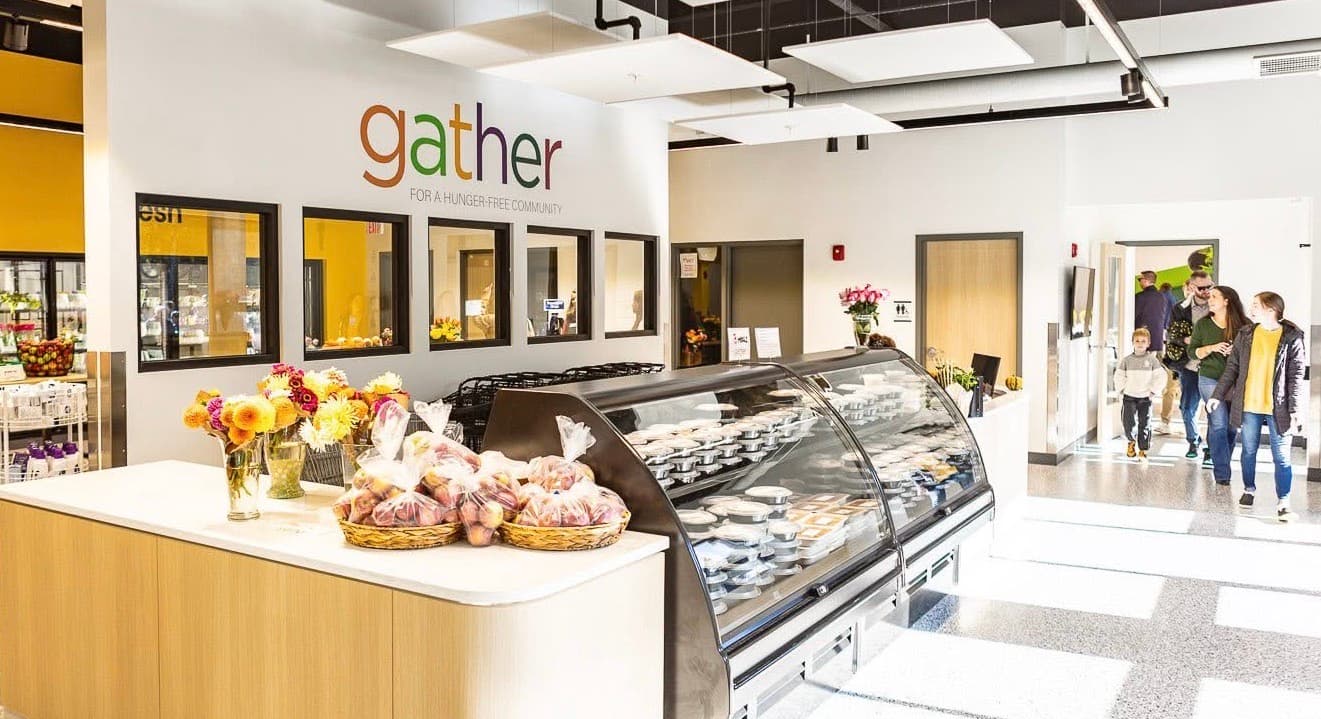
Gather’s Portsmouth community food center has pushed the New Hampshire nonprofit beyond traditional pantry work. Founded in 1816 to support fishermen’s families, the organization now says it serves more than 7,000 Seacoast residents each month, distributes over 1 million pounds of food a year and supplies food to about 700 children each week when school is out of session.
That scale now sits inside a model built to change how hunger relief feels for the people delivering it and receiving it. The framework, pioneered in Canada and now adopted by Gather, is centered on grow, cook, share and advocate, with food access treated as part of a larger effort to build skills, connection and public support. Gather opened its community food center in Portsmouth in November 2024 and has become only the second U.S. organization to use the Canadian Community Food Center approach, alongside Bloom Community Food Center in Idaho.
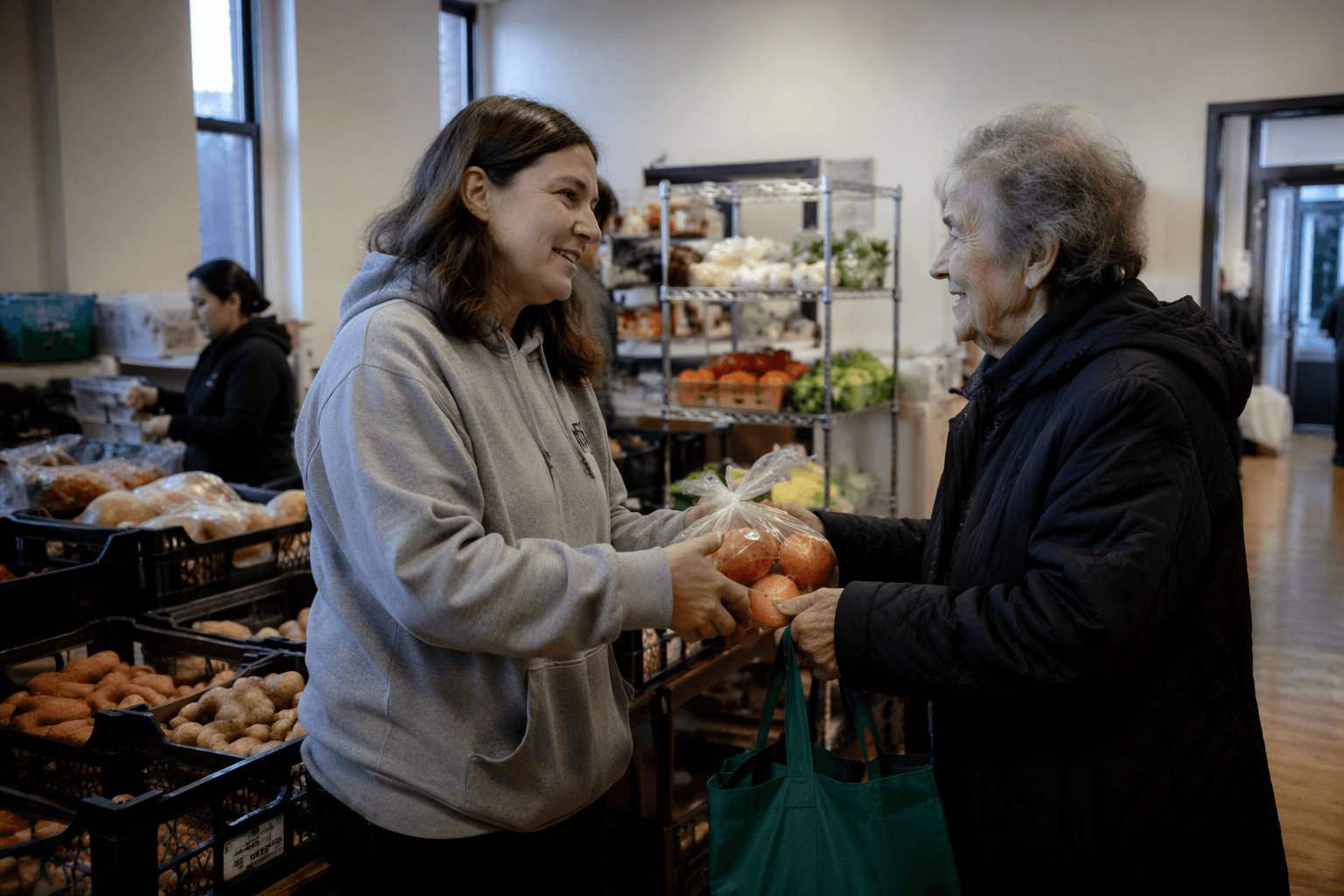
The Canadian organization behind the model has rebranded as Right to Food and says it works with about 450 partners across the country. Right to Food says the approach is designed to create respectful spaces where people can get healthy food, build skills, find community and push for more inclusive public policy. The group says the broader movement is rooted in the idea that food is about dignity, well-being, community and justice, and points to historic-high food insecurity in Canada affecting 10 million people, including 2.5 million children.
That philosophy is a sharp contrast to the charity model that has long defined pantry work. The Stop in Toronto, one of the model’s key precedents, says its work is not a charity model and instead uses food as a gateway to deeper connection, peer advocacy and community-building. In that approach, service users help shape programs and policy priorities rather than simply receiving a bag and leaving.

Gather’s own operation already reflects that shift. Its Pantry Market gives members 7-10 days’ worth of food, personal care items and cooking ingredients, with visits limited to once a month. The nonprofit also runs Community Fridays, Cooking 4 Community and a café at Great Bay Community College, while its broader mission includes building an equitable and sustainable regional food system and ending hunger. For a nonprofit like A Simple Gesture, whose green bag pickups depend on volunteers, route coordination and pantry partnerships, Gather’s mix of distribution, education and community presence shows how food recovery can become a longer-term civic role instead of a one-way handoff.
This article was produced by Prism’s automated news system from verified source data, official records, and press releases, then run through automated quality and moderation checks before publishing. The system is built and supervised by the people who set the standards it runs under. Read our full AI policy.
Know something we missed? Have a correction or additional information?
Submit a Tip