FSIS alert highlights labeling risks for donated food programs
A June 25 FSIS alert flagged a mislabeled chicken product with undeclared eggs, a reminder that one bad label can become a pantry-level allergy risk.

FSIS flagged a 21-ounce vacuum-packed Private Selection Honey Dijon Boneless Skinless Chicken Breasts with Rib Meat package on June 25 after finding eggs on the ingredient list that were not declared on the label. The product carried a best-if-used-by date of June 28, 2026 and lot code 15326A, and FSIS said the raw chicken breasts were produced on June 2, 2026.
The alert covered Alabama, Alaska, Idaho, Illinois, Indiana, Kentucky, Tennessee, Oregon and Washington. FSIS said a recall was not requested because the product is no longer available for purchase, but the labeling failure still lands as an operational warning for food donation teams that handle rescued meat, mixed pantry stock and doorstep donations before they move out to partners.
For A Simple Gesture, the practical lesson is immediate: label review cannot be treated as a background task. Volunteer sorters and staff who receive food from donor homes or business pickups need to check that labels match the product, that allergens are declared, and that raw animal products stay separated from ready-to-eat items. Anything that looks misbranded, temperature-abused or otherwise questionable needs to be held back for review before it reaches a pantry partner.
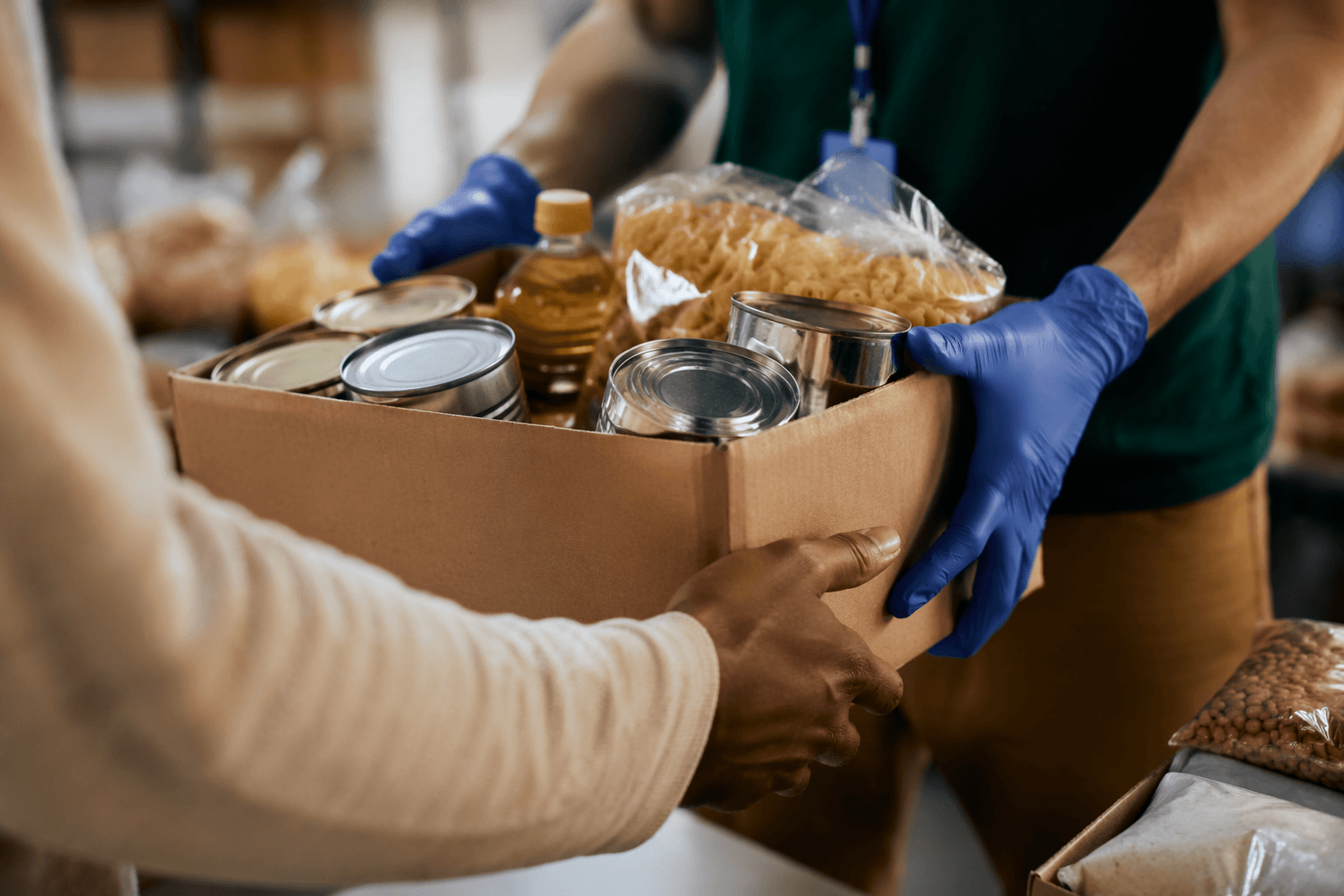
The risk is not abstract. FSIS says the most common undeclared allergens account for 90% of all food allergic reactions. CDC reported in January 2026 that almost 7% of U.S. adults and 5% of children have a food allergy, and Food Allergy Research & Education estimates about 33 million people in the United States have at least one food allergy. In that context, an undeclared egg in a donated or redistributed meat product can turn a routine pickup into a safety event for a household that depends on accurate labels.
The alert also reinforces the kind of process A Simple Gesture already depends on across Guilford County, where it has operated since 2015. The group says its Food Recovery Program pairs surplus food from businesses with vetted nonprofits, while its SHARE program uses school refrigerators for unopened, unwrapped food from school nutrition programs. As of December 2025, the organization said it had more than 75 pantry partners, 3,900-plus recurring food donors and 200 monthly volunteers, a network that only works if label checks, quarantine steps and recall monitoring are simple enough for every pickup route and pantry handoff to follow the same way every time.
This article was produced by Prism’s automated news system from verified source data, official records, and press releases, then run through automated quality and moderation checks before publishing. The system is built and supervised by the people who set the standards it runs under. Read our full AI policy.
Did this article answer your question?