Future of work models stay in flux for nonprofits
For A Simple Gesture, flexibility is less a perk than a staffing test: the work model has to fit pickup routes, pantry partnerships, and the people who keep them moving.
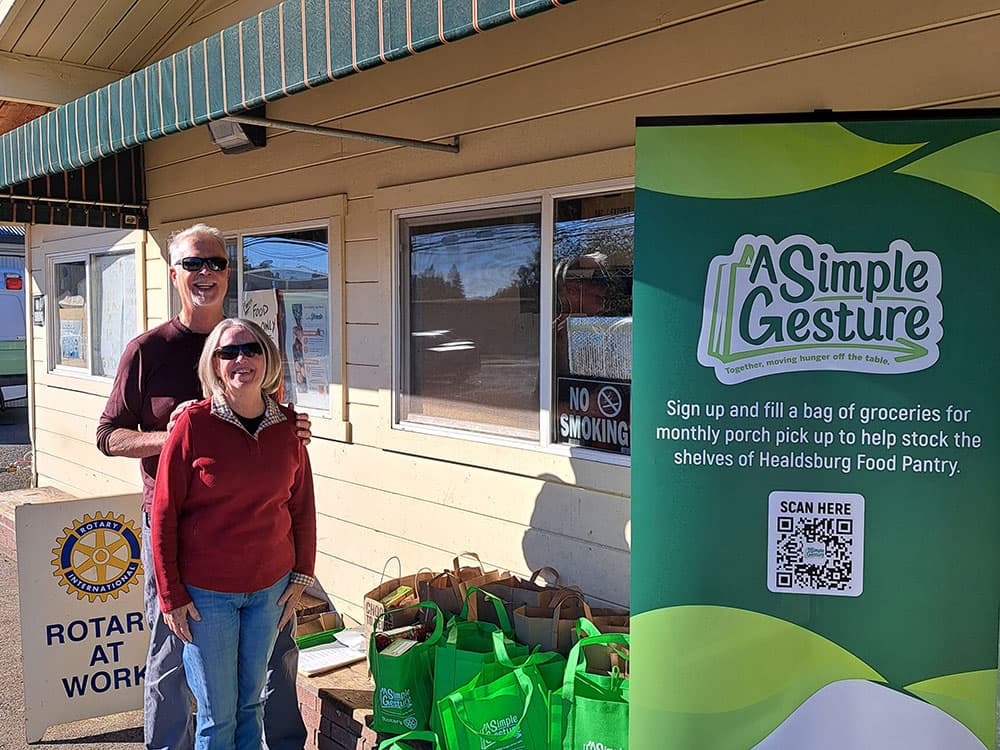
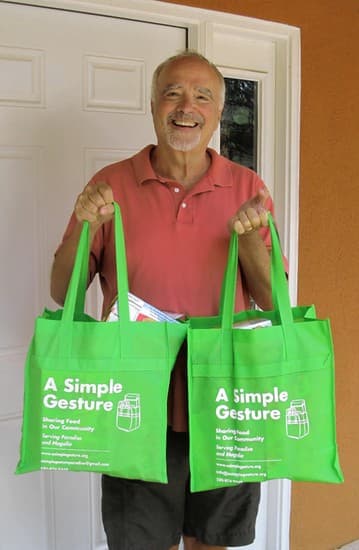
For A Simple Gesture, the future of work is not an abstract HR debate. It is the daily question of who has to be on a route, who can plan from elsewhere, and how to keep a green-bag doorstep donation network running without overloading the people behind it. That is why flexibility matters here less as a perk than as a test of trust, fairness, and mission fit.
Flexibility has become an operating decision
SHRM’s June 17 article, “Different Strokes: Who’s Designing the Future of Work?”, lands at a moment when workplace models are still being negotiated in real time. SHRM’s broader future-of-work coverage says organizations have to rethink where, how, and why work is done, and its 2026 trend coverage points to AI, polywork, and on-demand upskilling as forces shaping the year ahead. SHRM26, the group’s annual conference, is taking place in Orlando, Florida, from June 16 to 19, which makes the conversation feel current because it is current.
That matters for nonprofits because flexibility is never evenly distributed. In a food-recovery operation like A Simple Gesture, warehouse shifts, route coordination, and community pickup logistics usually require people to be there in person, while donor communications, scheduling, grant work, and reporting can often be handled more flexibly. Leaders who treat that split as a simple benefit question miss the real issue: whether the model is built around mission needs or manager preference.
Why A Simple Gesture’s structure makes the tradeoffs visible
A Simple Gesture-Guilford County says it partners with dozens of local food pantries to make donations easy and convenient, and its Greensboro mailing and physical addresses show how rooted that work is in a specific local footprint. The chapter says it was established as a 501(c)(3) nonprofit in 2015, while its mission and history in the county date to 2011. That combination, local presence plus distributed support, is exactly the kind of setup that forces a workplace model to be intentional.
The organization’s own materials also describe a larger chapter strategy, including a goal of adding 900 new chapters by the end of 2035 and moving 450 million pounds of food into the system. Other chapter pages say A Simple Gesture has more than 60 chapters across the country and has provided over 7 million meals. A Michigan chapter page says more than 65 communities have started the model, and that Paradise, California, has more than 1,700 food donors. Those numbers matter because they show a network that scales by repeating a model, not by centralizing everything in one office.
For staff, that scale raises a practical question: if one person can work from home and another has to be on pickup duty, are the rules clear about why? If the answer is fuzzy, resentment builds fast, especially in lean nonprofits where coordinators already juggle volunteers, pantry partners, and last-minute route changes.
The schedule mismatch is the story behind the model
A Simple Gesture’s history makes the flexibility question even clearer. The model grew out of the earlier Neighborhood Food Project in Ashland, Oregon, was adapted in Paradise, California, by Jonathan Trivers, and later spread after the 2018 Paradise wildfire disrupted the original hometown. In Reston, Virginia, founder Robert Schnapp said he started A Simple Gesture there after recognizing a basic scheduling problem: many donors work standard business hours while pantries are open at the same time.
That mismatch is more than a logistics anecdote. It explains why volunteer recruitment and retention depend on making the system easy to use on both ends. If donors, pantry partners, and volunteer drivers can only participate inside narrow windows, the burden shifts onto coordinators to keep every handoff aligned. A workplace model that ignores those realities can make a mission look well organized on paper while quietly pushing the hardest coordination work onto the few people who cannot step away from the site.
Questions leaders should ask before locking in a work model
Before settling into a permanent arrangement, leaders at A Simple Gesture should ask a few blunt questions about fairness and retention:
- Which roles truly require fixed, on-site hours because they are tied to pickups, warehouse movement, or pantry-facing logistics?
- Which responsibilities, like donor communications, scheduling, grants, and reporting, can be done asynchronously without harming service?
- Are frontline logistics workers getting the same level of flexibility, recovery time, and schedule predictability that office-based staff enjoy?
- Do shift handoffs, internal communication, and meeting times work for people who are in the field, or only for people at a desk?
- Will this model help recruit and keep volunteers and staff, or will it quietly make the hardest roles harder to fill?
Those questions are especially important in a nonprofit food-recovery setting, where turnover and missed handoffs can ripple outward quickly. A delayed route or a sloppy internal handoff does not just inconvenience staff, it can affect a pantry delivery, a donor’s trust, or a volunteer’s willingness to show up again.
What inclusion looks like in day-to-day nonprofit work
SHRM’s framing of the future of work also places inclusion and collaboration alongside innovation, and that translates into concrete habits for a small nonprofit team. Better shift handoffs, clear internal communication, predictable meeting times, and an honest discussion about which tasks actually require being on-site can do more for fairness than a glossy policy ever will. The point is not to force every role into the same mold, but to make sure the rules are transparent enough that people understand why one job can flex and another cannot.
For A Simple Gesture, that means the strongest workplace model is the one that protects the pickup routes, respects the volunteer network, and gives staff enough structure to plan their lives. A future-of-work plan built around trust will help the organization hold onto the people who keep the green bags moving, the pantries supplied, and the community reach expanding.
This article was produced by Prism’s automated news system from verified source data, official records, and press releases, then run through automated quality and moderation checks before publishing. The system is built and supervised by the people who set the standards it runs under. Read our full AI policy.
Did this article answer your question?