Global Ministries relaunches Feeding Our Neighbors grants with conference-led applications
Global Ministries moved hunger-relief applications from local congregations to annual conferences, changing who can compete for up to $20,000 grants.
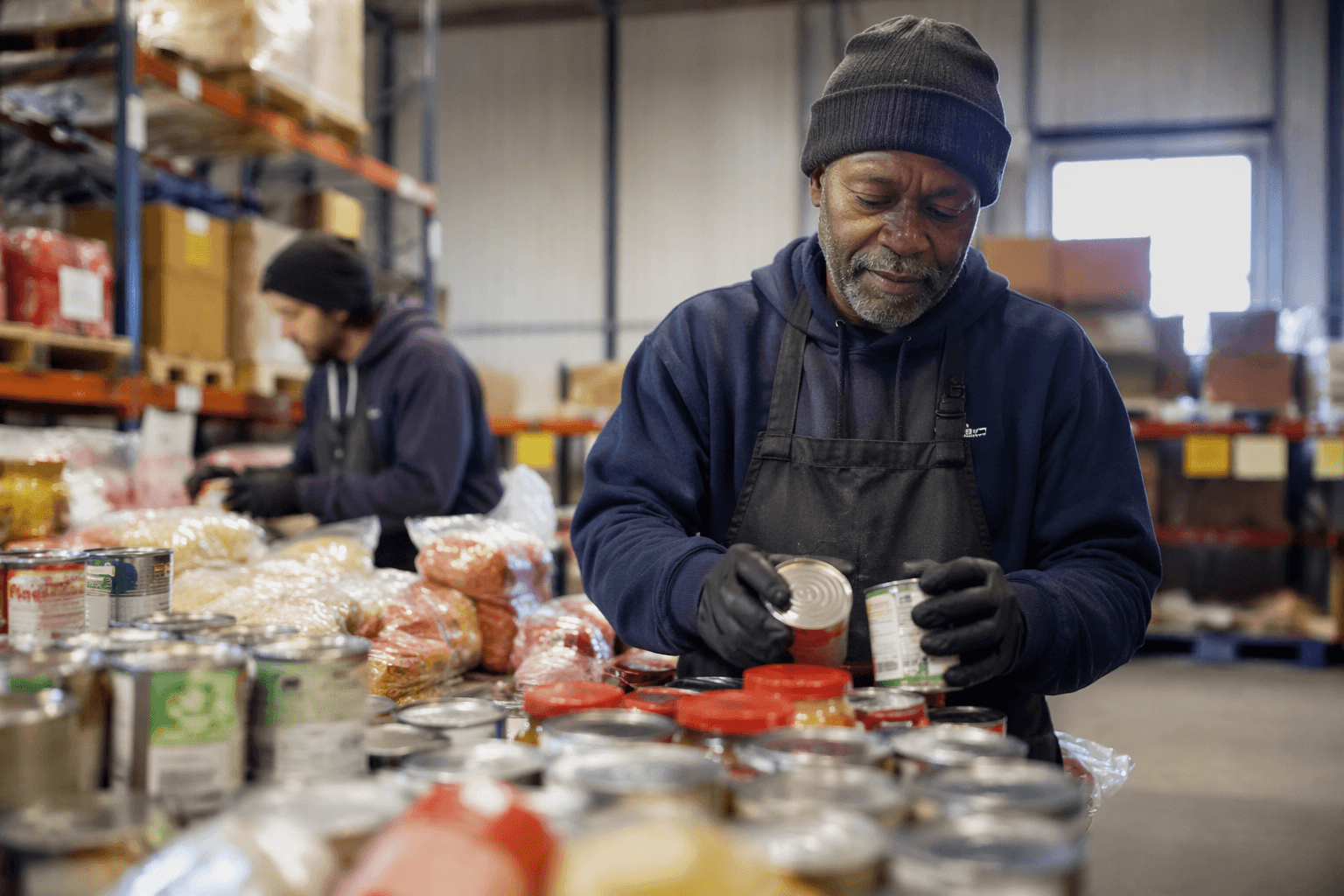
Global Ministries is changing who gets a shot at its Feeding Our Neighbors money. For the 2026 cycle, United Methodist annual conferences, not local congregations, will submit applications for up to 10 grants of $20,000 each across the denomination’s five U.S. jurisdictions.
That is more than a paperwork tweak. It shifts the program one level farther from the pantry floor, giving conferences the option to apply for congregations or build their own process for distributing funds to eligible ministries. The upside is clearer coordination and less scattershot administration. The downside is also clear: small churches and neighborhood pantries lose the direct line to the funder and now have to work through a regional layer that may decide who gets considered first.
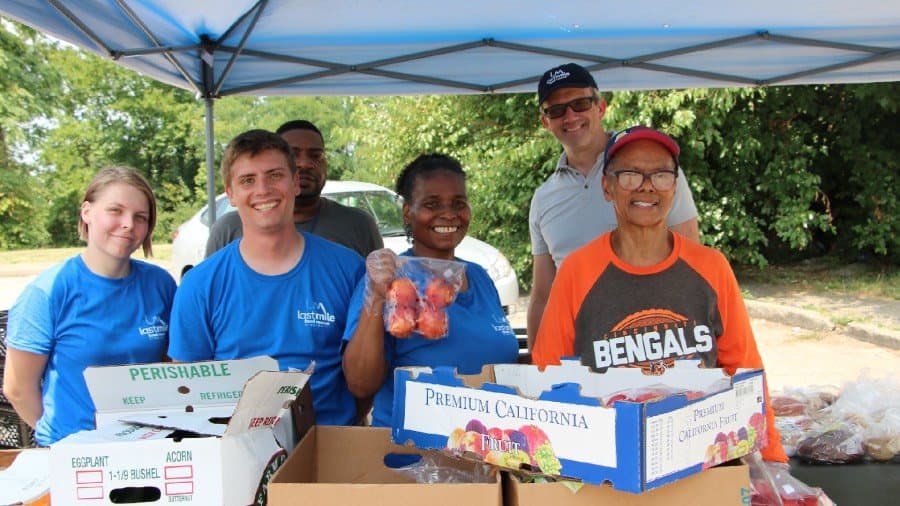
The relaunch comes after a year in which demand overwhelmed the original version. Global Ministries launched Feeding Our Neighbors in November 2025 as a microgrant program with awards of up to $2,000, accepted applications through Dec. 15, 2025, and ultimately awarded 150 grants. The agency said grants were typically sent out within three weeks of approval, a fast turnaround that showed how quickly churches were trying to keep shelves stocked as need rose.
That need was not abstract. In October 2025, United Methodist leaders were already warning that some 42 million Americans were expected to lose federal food benefits starting Nov. 1. Global Ministries also pointed to USDA cuts, new SNAP restrictions, inflation, stagnant wages, job loss, high housing costs and rising food prices as pressures pushing more families toward church pantries. The agency has framed the effort around Matthew 25:35 and paired the local-grant work with a separate $500,000 grant to Feeding America in December 2025 to support the reclaiming and redistribution of surplus food. Feeding America says it works with more than 200 food banks and over 60,000 food pantries and meal programs.
For neighborhood recovery groups like A Simple Gesture, the change looks familiar. When a program grows, the real question becomes whether money should flow directly to every local site or through a central hub that can sort need, reduce duplication and reach established partners faster. A Simple Gesture, based in Guilford County, has operated since 2011 and became a 501(c)(3) in 2015. By December 2025, it said it had helped donate more than 8,000,000 child-size meals, delivered food valued at $13,000,000, worked with more than 75 pantry partners, relied on more than 3,900 recurring donors and mobilized about 200 monthly volunteers.
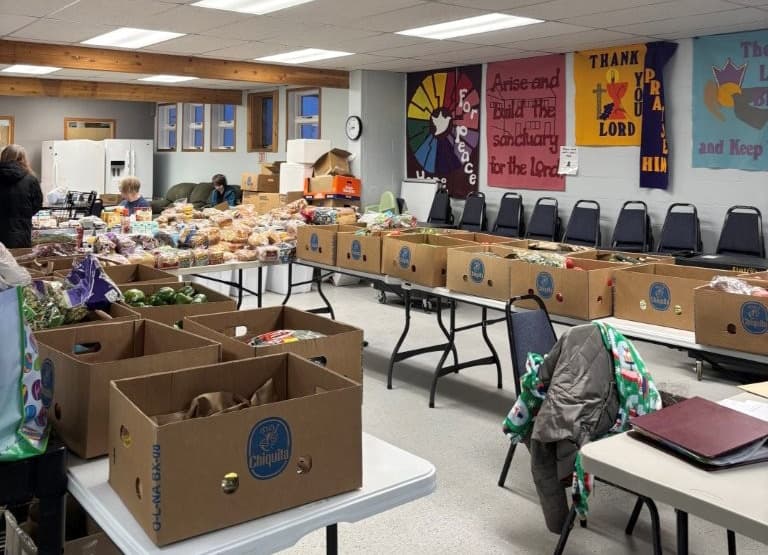
Global Ministries’ redesign favors networks that can coordinate across many sites, not just individual congregations with a good idea. In a tighter hunger economy, that may be the difference between scattered relief and a system that can move money, food and volunteers where they are needed most.
This article was produced by Prism’s automated news system from verified source data, official records, and press releases, then run through automated quality and moderation checks before publishing. The system is built and supervised by the people who set the standards it runs under. Read our full AI policy.
Know something we missed? Have a correction or additional information?
Submit a Tip