No Kid Hungry spotlights summer food help as child hunger rises
Summer food help matters most when school meals disappear, and No Kid Hungry says 87% of children who rely on them do not get them in summer.
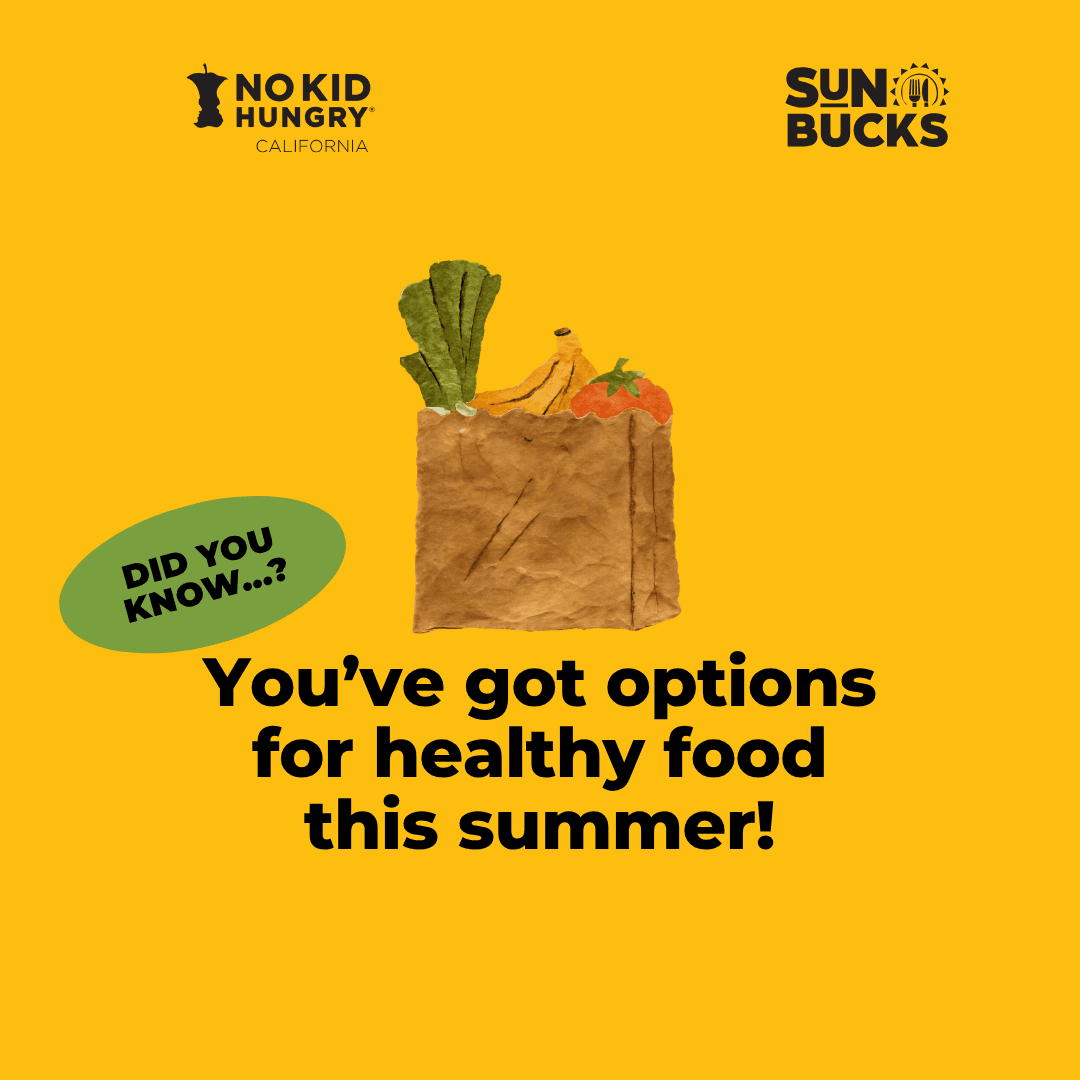
When school cafeterias shut down, summer turns into a predictable food-access crisis for working families, not a quiet break. No Kid Hungry’s June 3 campaign framed the gap plainly: more than one-third of parents said they worried about running out of food during summer break, and historically 87% of children who receive free or reduced-price school meals do not access those meals once school is out.
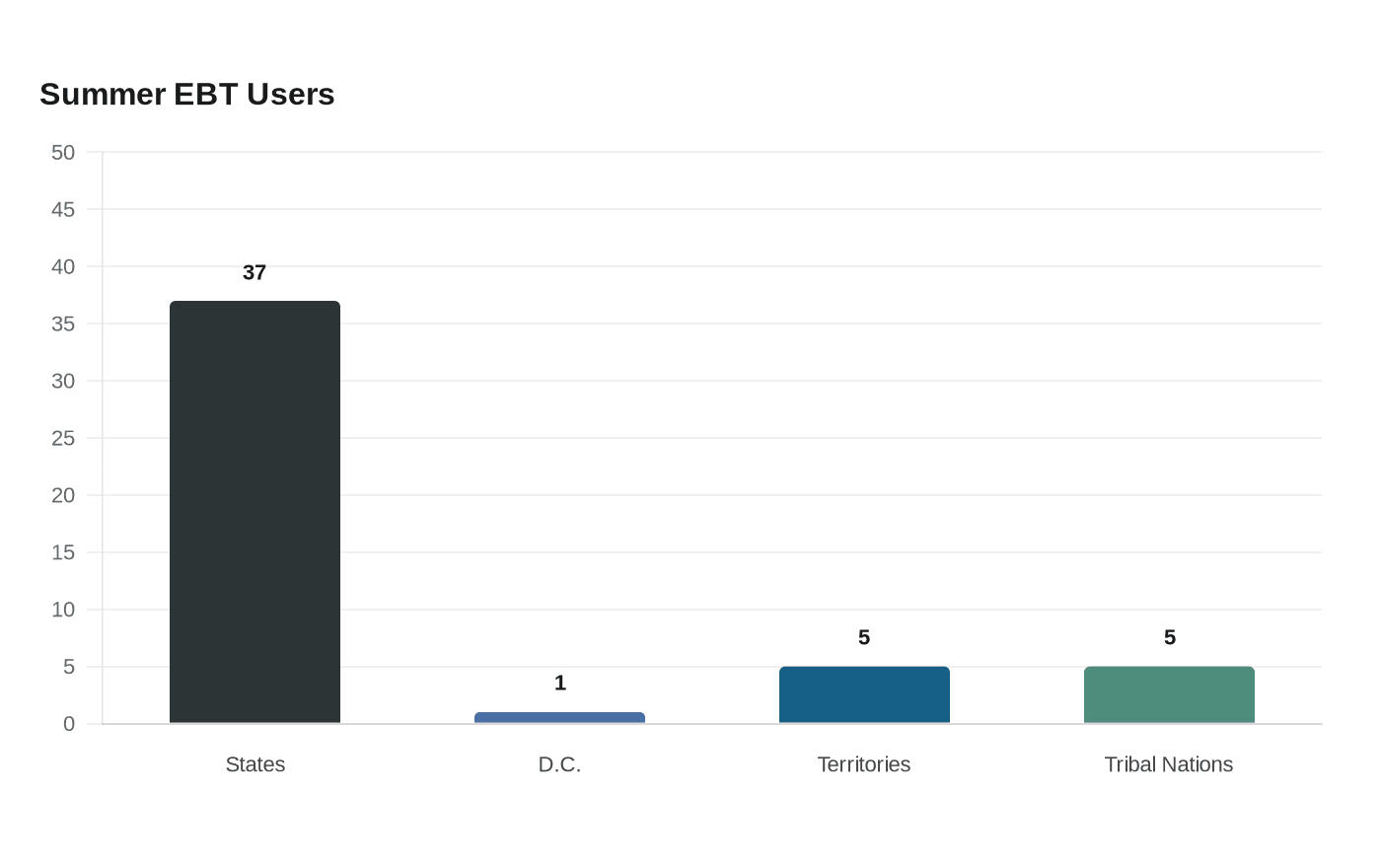
The campaign put Summer EBT, also called SUN Bucks, at the center of the response. The benefit gives eligible school-age children $120 for groceries, and most eligible children are automatically enrolled in participating places. No Kid Hungry said 48 entities used the program during summer 2025, including 37 states, Washington, D.C., all five U.S. territories and five Tribal Nations. For 2026, the participating agencies are listed by state, territory or Tribal Nation on the federal site.
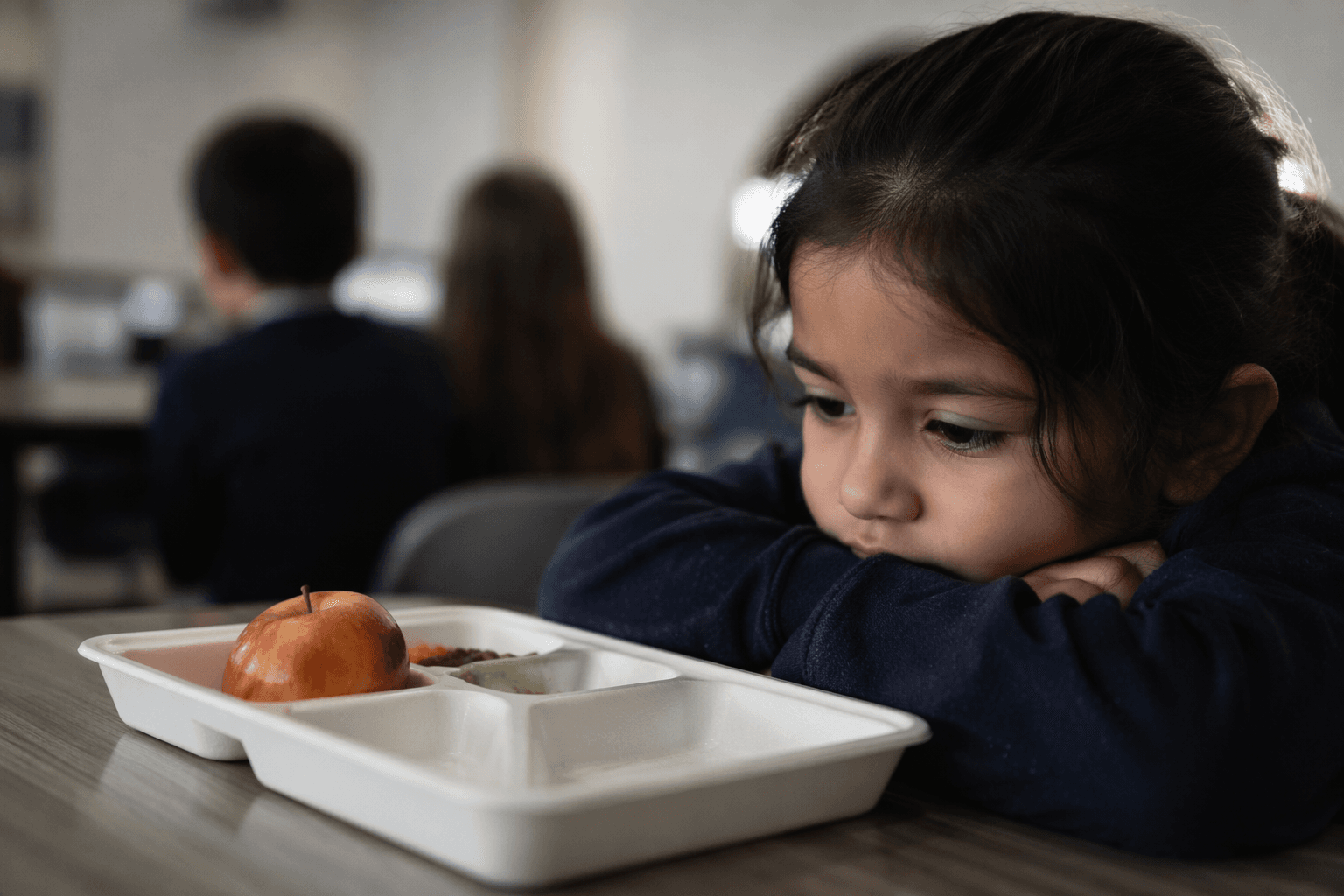
The scale of the gap helps explain why summer is structurally harder than the school year. No Kid Hungry said summer meals are available at schools, libraries, parks and community centers, with non-congregate SUN Meals To-Go options for rural areas where families may live too far from a site or parents may not be able to reach distribution points during work hours. In Virginia, more than 800,000 youth can access no-cost school meals during the academic year, but the summer squeeze deepens as household budgets tighten. No Kid Hungry said national SNAP participation declined nearly 9% between July 2025 and February 2026, while Virginia saw almost a 15% drop. In a Virginia survey, 55% of families said household debt increased in summer because of food costs, and 55% said it was harder to make ends meet in summer than during the school year.
For A Simple Gesture, the operational lesson is that summer outreach cannot be treated like a side project. The green-bag model depends on timing, routes and reliable handoffs to pantry partners, and all three get harder when donors travel, family schedules shift and school-based access falls away. In Guilford County, where the nonprofit has operated since 2015 and where its SHARE program extends food recovery into schools, summer is the moment to tighten referral lists, push meal-site information through trusted partners and make it easier for neighbors to find help without a long search. Libraries, schools and community groups already carry trust with families; the question is whether food-recovery systems use that trust before the school-year safety net disappears.
This article was produced by Prism’s automated news system from verified source data, official records, and press releases, then run through automated quality and moderation checks before publishing. The system is built and supervised by the people who set the standards it runs under. Read our full AI policy.
Know something we missed? Have a correction or additional information?
Submit a Tip