HelloFresh and No Kid Hungry launch summer campaign to fight childhood hunger
HelloFresh and No Kid Hungry tied a summer hunger campaign to the loss of school meals, with parents reporting steep strain and kids missing food support when school lets out.
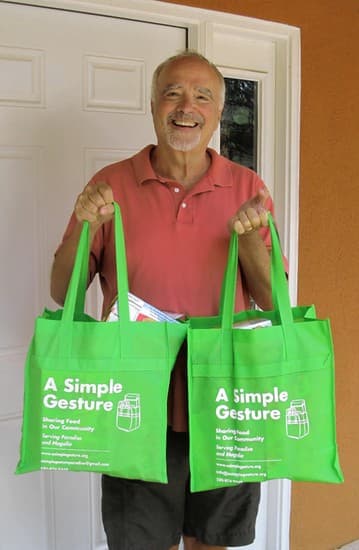
HelloFresh and No Kid Hungry rolled out Kids Helping Kids to End Childhood Hunger on June 17, aiming at the summer hunger gap that hits when school meals disappear and grocery bills climb. For neighborhood food-recovery groups like A Simple Gesture, the announcement is a reminder that summer is not a lull. It is the season when pantry demand, volunteer scheduling and route coordination can all tighten at once.
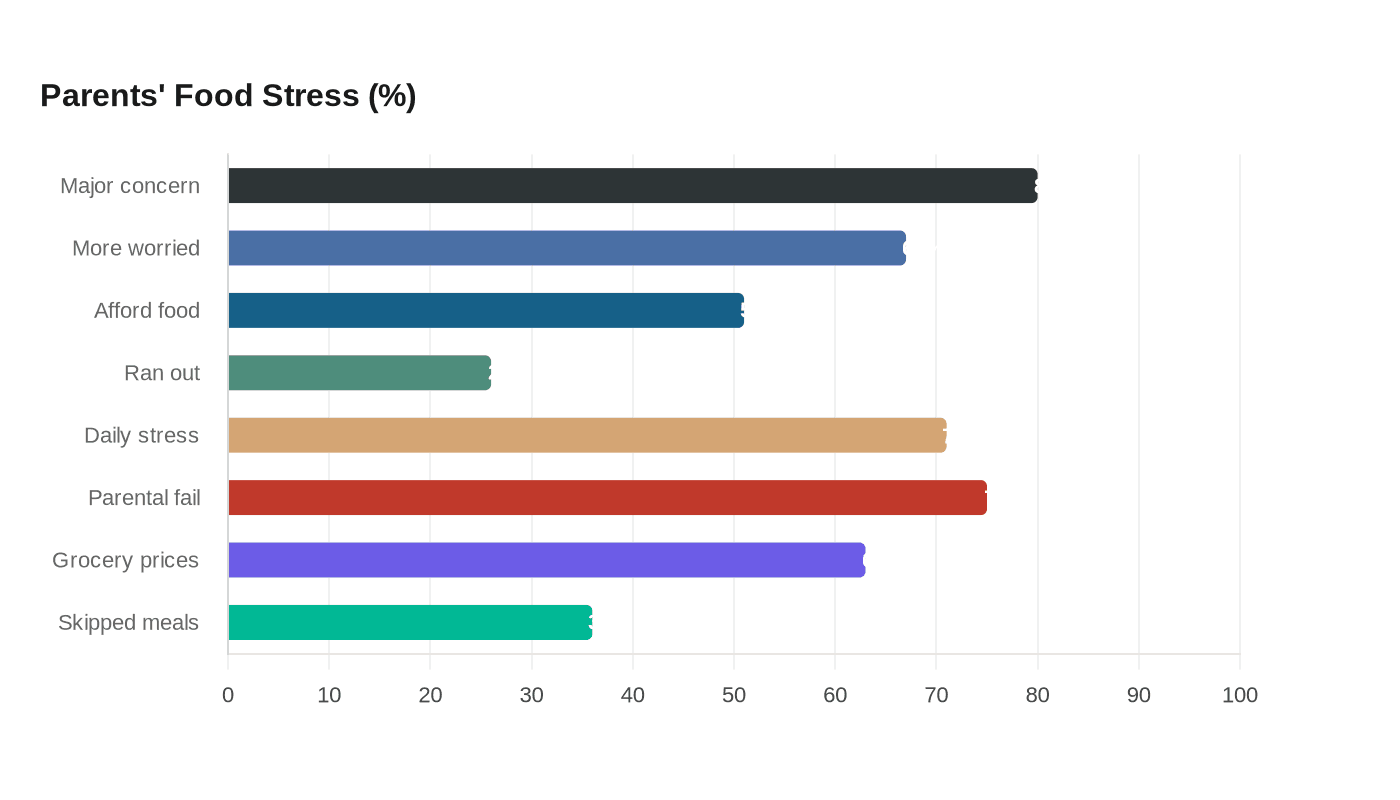
The campaign lands against a blunt set of numbers. In HelloFresh’s 2026 Hunger Matters for Kids report, 80% of parents said hunger and food affordability were a major concern, 67% said they were more worried than a year earlier about putting food on the table, and 51% said their household had difficulty affording essential food in the past 12 months. Another 26% said they completely ran out of food before they had money to buy more. The report also found 71% of parents felt daily stress or anxiety from food costs, 75% felt a sense of parental failure when they could not provide enough food, 63% worried high grocery prices would keep them from feeding children adequately this summer, and 36% said they skipped meals or ate less so their children could eat.

HelloFresh said it would launch the effort with meal-kit distribution events, pop-up food pantries and free meals through its LimeAid program. That mix matters because it suggests a campaign built for visibility and logistics, not just a donation line item. The company and No Kid Hungry did not frame the effort as a one-off charity drive. They tied it to a broader summer crisis affecting millions of children and to the growing pressure on parents who are trying to stretch groceries through months when school breakfasts and lunches are unavailable.
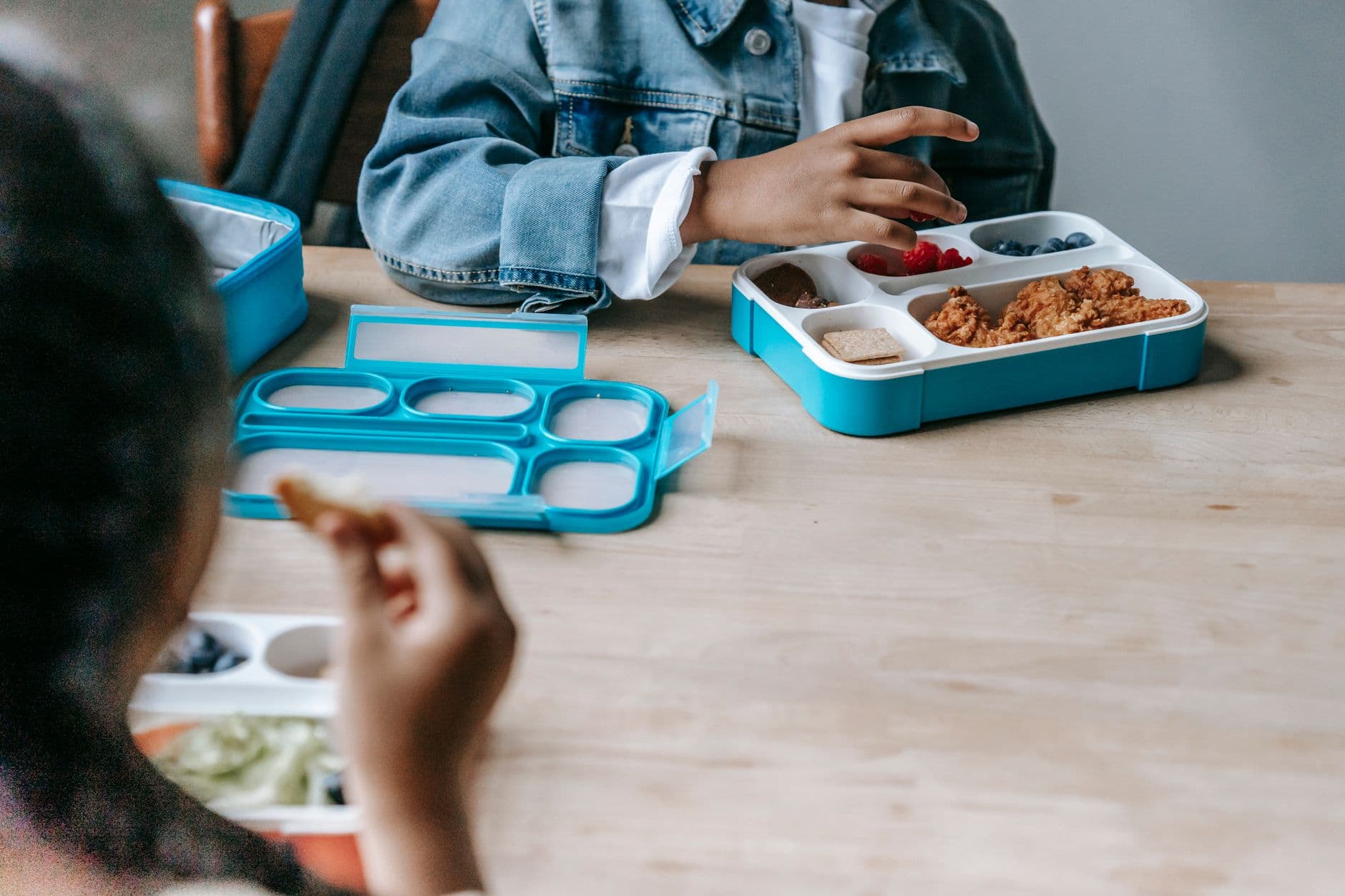
No Kid Hungry has long treated summer as the hardest stretch of the year for child nutrition. Its 2025 summer impact report said 87% of children who get free or reduced-price school meals historically do not access those meals in summer. The organization said Summer EBT, also known as SUN Bucks, operated in 37 states, the District of Columbia, all five U.S. territories and two Native American nations in summer 2024, with preliminary USDA data suggesting more than 18 million children received benefits. The program provides $120 per child for groceries during the summer, while the USDA’s Summer Food Service Program offers free meals and snacks for children 18 and under at schools, parks and other eligible sites with no application required.
That is the operational detail A Simple Gesture and similar local networks know well. Summer hunger is not just a campaign theme, it is a routing problem, a pantry capacity problem and a communication problem. No Kid Hungry has pointed to local responses that make the scale visible, including a Maryland county that retrofitted a bus to deliver 11,000 summer meals and the Chickasaw Nation in Oklahoma, which served 86,000 meals under the newer summer-meal rules. HelloFresh’s move adds a consumer brand to that same system, but the measure of success will be whether the effort translates into more meals, better reach and a steadier handoff to the local partners doing the work when school is out.
This article was produced by Prism’s automated news system from verified source data, official records, and press releases, then run through automated quality and moderation checks before publishing. The system is built and supervised by the people who set the standards it runs under. Read our full AI policy.
Did this article answer your question?