How A Simple Gesture's 403(b) plan can boost retirement security
A Simple Gesture workers can turn a modest paycheck deferral into a stronger retirement benefit if they know the match, vesting and Roth rules in their 403(b).
Green bag pickups, pantry partnerships and volunteer coordination may define A Simple Gesture's mission, but its 403(b) can be one of the most valuable parts of the compensation package. For nonprofit staff, the difference between taking a role for the mission and building long-term security often comes down to a few plan details: whether the employer contributes, how fast money vests and what options exist for saving beyond salary.
What a 403(b) really is
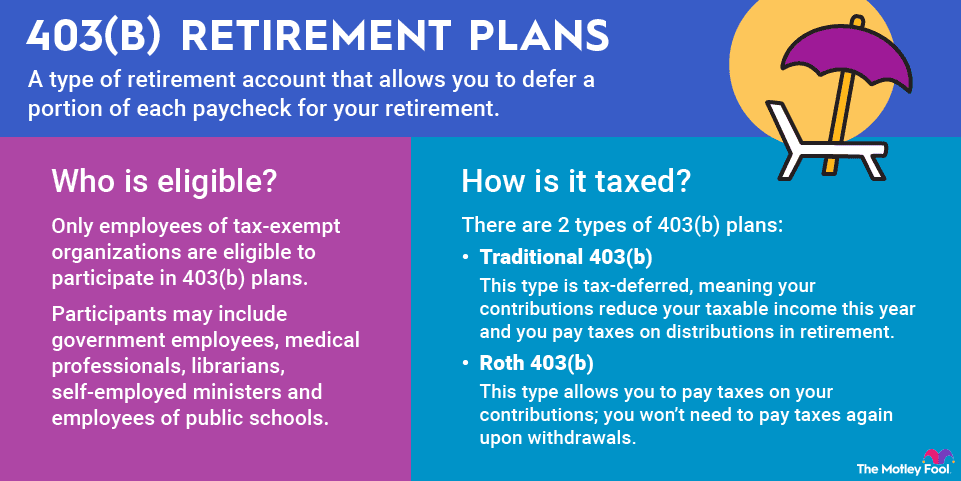
IRS Publication 571 defines a 403(b) as a retirement plan for certain employees of public schools, employees of certain tax-exempt organizations and certain ministers. In practice, that means many charitable nonprofits can offer the same basic kind of tax-advantaged retirement savings that workers often associate with a 401(k), even though the rules are not identical.
These plans are defined-contribution arrangements. Employees defer part of each paycheck into individual accounts, and those deferrals are generally not taxed federally or at the state level until the money is distributed.
How the account grows
The mechanics are straightforward: money comes out of pay before taxes, the account is invested, and later withdrawals are taxed when taken in retirement under the traditional structure. Some plans also offer designated Roth contributions, which are taxed now but can be distributed tax-free later if the rules are followed.
Employer money can also be part of the picture. A Simple Gesture staff may see an employer match, a nonelective contribution or no employer contribution at all, depending on the plan design. Some plans also allow loans or hardship distributions, but only if the written terms permit them.
The questions every A Simple Gesture employee should ask
The most important check is whether the plan has a match and how the match works. A good match can add meaningful dollars every year, but it only helps if the employee contributes enough to capture it. Workers should also ask how quickly the employer contribution vests, because a match that disappears if you leave too soon is not the same as fully earned retirement pay.
Fees matter too. Investment choices in a 403(b) are typically limited to the options selected by the employer, so employees should look at the menu rather than assume the plan offers broad freedom. A short list of funds is not automatically bad, but it does make cost and performance more important.
A Roth option is another item worth checking. Designated Roth contributions are currently includible in gross income but tax-free when distributed if the rules are followed. For staff who expect to be in a higher tax bracket later, that can be a useful choice even if it reduces take-home pay today.
The rules that shape access
The universal availability rule is especially important in nonprofits. If one employee is allowed to make elective deferrals into a 403(b), the plan generally must offer that opportunity to all employees, subject to limited exceptions. That rule can shape who gets access to retirement saving at a smaller organization like A Simple Gesture, where staffing may include a mix of coordinators, operational roles and part-time help.
The IRS sets the basic elective-deferral limit at $24,500 in 2026. Under IRS rules, annual catch-up contributions up to $8,000 in 2026 may be permitted in 401(k), 403(b), SARSEP and governmental 457(b) plans, which gives older workers another way to build savings later in their careers.
Why this matters in nonprofit work
Retirement plans may help tax-exempt organizations attract and retain better qualified employees.
A coordinator who knows the green bag route system, the donation flow and the pantry relationships is hard to replace, and the same is true for staff who keep volunteers engaged and distribution running smoothly.
Newer rules make the plan more flexible
SECURE Act 2.0 added changes that matter to nonprofits. It allows nonprofit entities to participate in multiple-employer 403(b) plans for plan years beginning on and after January 1, 2023, which can make plan access easier for smaller organizations that do not want to manage everything alone.
It also extends long-term part-time worker participation rules to 403(b) plans for plan years beginning after 2024. Under that rule, eligibility can begin after two consecutive 12-month periods with at least 500 hours of service.
What the latest nonprofit benchmarking suggests
The Plan Sponsor Council of America has conducted its 403(b) survey for more than 15 years and presents it as the industry's only benchmarking survey of nonprofits sponsoring 403(b) plans. Its 2022 survey of more than 300 nonprofit organizations found increased participation, higher deferral rates, employer contributions and average account balances. Its 2025 survey coverage showed that 2024 brought sharp gains in participation, Roth availability and automated plan features.
This article was produced by Prism’s automated news system from verified source data, official records, and press releases, then run through automated quality and moderation checks before publishing. The system is built and supervised by the people who set the standards it runs under. Read our full AI policy.
Did this article answer your question?