Hunger Task Force shows how local partnerships boost summer meals access
Milwaukee’s summer meal network shows how local partnerships, visible sites, and simple rules turn a federal program into real neighborhood access.

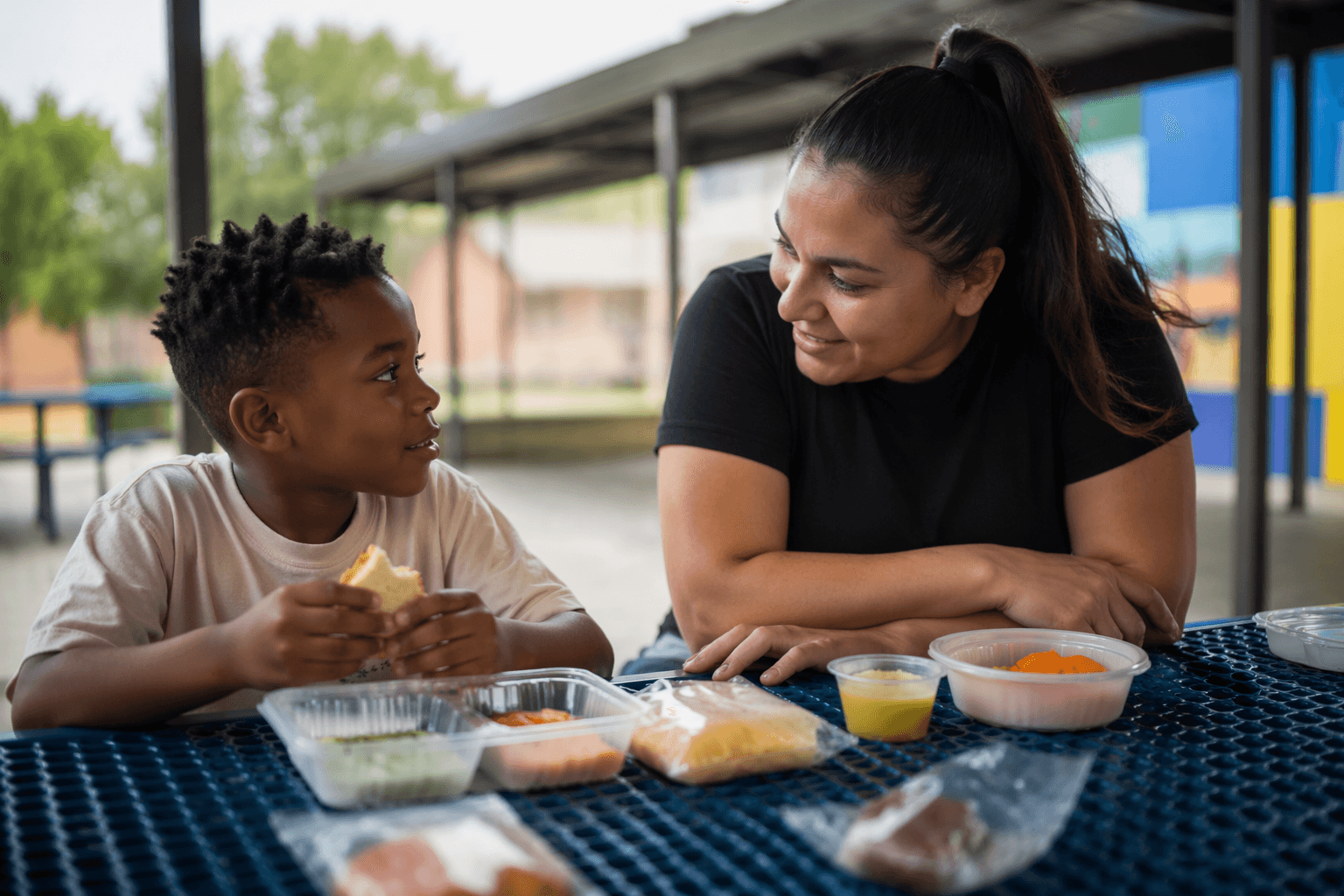
Hunger Task Force’s Milwaukee Model shows that summer meals work best when a federal program is translated into a neighborhood system people can actually find. In Milwaukee County, the nonprofit says its Summer Meals Collaborative reaches kids and teens 18 and under through 130-plus sites, and it served nearly 478,000 meals last year.
How the Milwaukee Model works on the ground
The core structure is straightforward, but the coordination behind it is not. Hunger Task Force says its summer meals work sits inside USDA’s Summer Food Service Program, which offers free meals and snacks to kids age 18 and under at schools, parks, and other eligible neighborhood locations with no application needed. In Wisconsin, the program is federally funded by USDA and administered through the Wisconsin Department of Public Instruction.
That setup matters because the access point is local, even when the funding is federal. Hunger Task Force describes its approach as a community-driven system that works with schools, local government agencies, meal sponsors, and donors, which is the kind of layered network that keeps a seasonal service from becoming a one-off event. The organization says it works year-round with partners including the Department of Public Instruction, No Kid Hungry, and USDA, which helps turn summer meals into a standing part of the county’s anti-hunger infrastructure rather than a short burst of activity.
For A Simple Gesture, that is the practical lesson. A route, drop site, or recovery event only works when the people using it can actually find it, understand it, and trust that it will happen consistently. Summer feeding, like doorstep donation recovery, depends on operational clarity as much as goodwill.
Why awareness is the real bottleneck
Hunger Task Force’s own framing points to the biggest weak spot in any access system: people may not know the sites exist, or they may not realize they are eligible. No Kid Hungry says summer is historically the hungriest time of year for millions of children, and that 87% of kids who receive free or reduced-price school meals do not access meals during the summer.
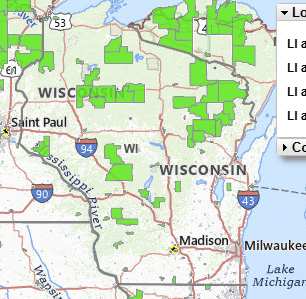
That gap is why the Milwaukee Model puts so much weight on visibility and repeat communication. USDA’s Summer Meals Site Finder helps families locate nearby meal sites, see hours of operation, and get contact information, which turns a broad policy into something a parent can use on a phone while planning the next meal. The tool is a reminder that access is not just about whether a site exists, but whether a family can identify it fast enough to use it.
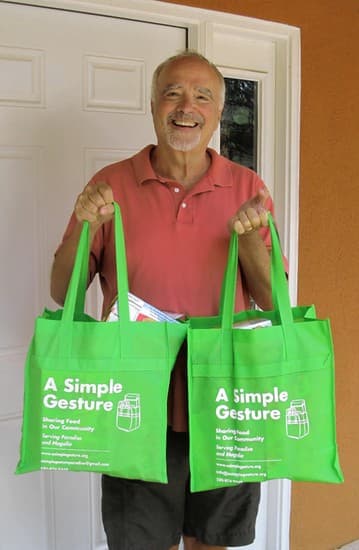
The same problem shows up in neighborhood food recovery. If a green bag pickup route is technically in place but households do not remember the pickup day, do not understand what should go in the bag, or do not see the program in their own block-level routine, participation drops. Hunger Task Force’s summer meals work suggests that simple instructions, repeated reminders, and visible neighborhood touchpoints are not extras. They are the system.
What local sponsorship and long-term partners add
The Milwaukee effort also shows why cross-sector support can stretch a program without overloading one nonprofit. Hunger Task Force says local sponsorships, including Kohl’s support for suppers at participating meal sites, help extend the reach of the network. That matters because summer meals require staffing, site management, and outreach at many different locations, not just one central kitchen or warehouse.
The organization’s long partnership history gives that model staying power. Hunger Task Force says its work with No Kid Hungry Wisconsin began in 2015 with support from the Social Innovation Fund. It also says it has been locally founded, locally funded, and locally run since 1974, which helps explain why the group can keep the work rooted in Milwaukee County rather than building a system that depends on outside direction.
That local identity is not just branding. It helps the organization keep faith with schools, sponsors, and neighborhood partners that the system is built to last. For workers and volunteers, the payoff is operational continuity: stable relationships make it easier to recruit site partners, keep calendars accurate, and maintain the communication rhythms that families rely on.
What A Simple Gesture can borrow from the summer meals model
The details of summer meals in Milwaukee translate cleanly to the work of food donation and recovery. The model rewards programs that reduce friction for the person using them and that make each step visible in the neighborhood. For A Simple Gesture, that means treating volunteer coordination, donor instructions, and pantry partnerships as part of the same access chain.
- Keep the message simple. Hunger Task Force’s summer meals network works because families do not need paperwork or a complicated eligibility check. A Simple Gesture can apply that same logic to green bag pickup by making instructions short, repeated, and impossible to miss.
- Build visibility into the route. USDA’s Site Finder is useful because it tells people where to go, when to go, and how to reach the site. Pickup routes and neighborhood donation drives work better when households can quickly see timing, location, and contact information.
- Use partners to widen reach. Hunger Task Force leans on schools, local government agencies, meal sponsors, donors, No Kid Hungry, USDA, and the Wisconsin Department of Public Instruction. A Simple Gesture’s equivalent is a strong pantry network, neighborhood champions, and volunteer captains who keep each route connected to a real local need.
- Treat outreach as ongoing work, not a one-time announcement. The Milwaukee Model is year-round in its partnerships even though the meals are seasonal. That same discipline helps volunteer retention and donor follow-through, especially when a program depends on people remembering one small action at the right time.
The Milwaukee County example is useful because it shows that hunger access is built through logistics, not just intentions. When a program is locally rooted, easy to navigate, and supported by multiple partners, it can move hundreds of thousands of meals and still feel close enough to the block level to matter.
This article was produced by Prism’s automated news system from verified source data, official records, and press releases, then run through automated quality and moderation checks before publishing. The system is built and supervised by the people who set the standards it runs under. Read our full AI policy.
Did this article answer your question?