Idealist guide shows how nonprofit careers can grow at A Simple Gesture
Nonprofit careers rarely move in a straight line, and A Simple Gesture shows why that matters. Volunteer work, logistics, and pantry partnerships can become the path into staff roles.
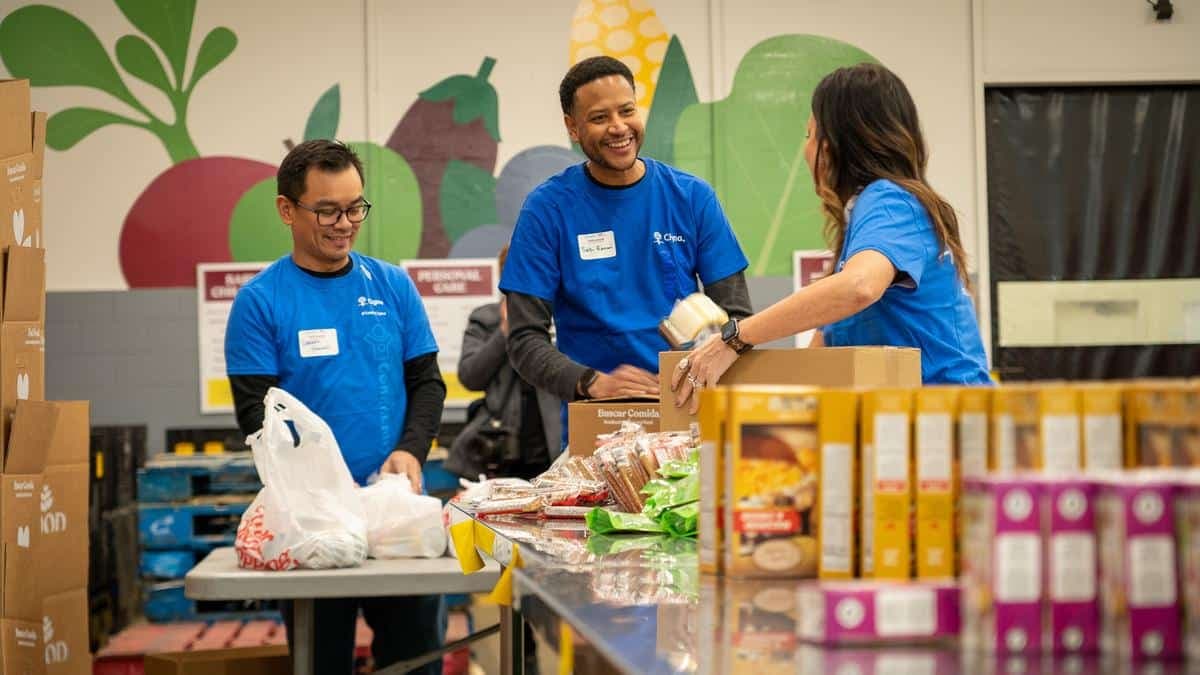
As of December 2025, A Simple Gesture had 3,900-plus recurring food donors, 200 monthly volunteers, and 75-plus pantry partners. Its model depends on people who can stitch together logistics, relationships, and community trust, not just those with one narrow title on paper.
Nonlinear careers are the norm in mission-driven work
Nonprofit work is flexible and layered, with people entering from program roles, executive assistant jobs, grantmaker relationships, accounting, web development, science, and social media. Many people first volunteer or intern before moving into paid work, which is a useful lens for A Simple Gesture, where volunteer coordination and community reach are part of the daily operating reality.
That kind of career movement is not a detour in the social-impact sector. People cross from fundraising into program development, then into volunteer management, and sometimes onward into marketing or leadership. In smaller mission-driven teams, that mobility is common because one person may need to help with donor communication in the morning, pantry coordination by afternoon, and event support by night.
For A Simple Gesture, that matters because the organization’s work is built around a web of recurring donors, volunteers, and pantry partners. The organization needs internal coordination every week, from recruiting people to keeping them engaged long enough to make the system work.
What A Simple Gesture actually needs from workers and volunteers
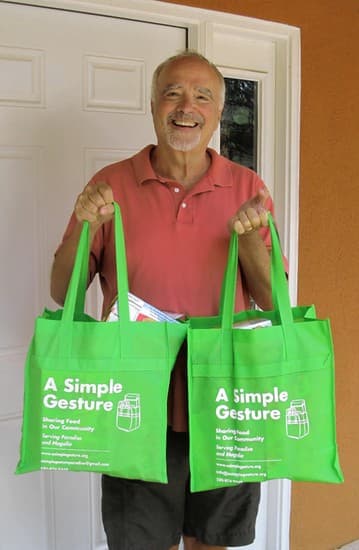
A Simple Gesture says its volunteers rescue edible food from businesses and deliver it to local nonprofits. That food-recovery model is operationally demanding, and it depends on people who can handle route coordination, follow-through, and relationship management without losing sight of the mission. The organization also partners with dozens of local food pantries in Guilford County, which makes pantry partnerships a central part of the work rather than a side function.
A Simple Gesture-Guilford County was established as a 501(c)(3) nonprofit in 2015, while the broader model dates to 2011. Its story page traces the idea to founders Jonathan and Karen Trivers in Paradise, California, who helped other communities adopt the approach.
As of December 2025, A Simple Gesture said it had helped donate more than 8,000,000 child-size meals and $13,000,000 in donated food value. For staff, the work blends operations, volunteer retention, communications, and problem-solving.
The organization has roles such as director of food recovery. The job involves coordination with businesses, routing, partner nonprofits, and the volunteer base that keeps doorstep donation systems alive.
How to write a cover letter that gets noticed
A cover letter should be specific, honest, tailored, and responsive to instructions. The goal is not to repeat your résumé in paragraph form. The goal is to explain why your background fits this organization and this job, using the language of the work itself.
For A Simple Gesture, that means translating experience rather than apologizing for it. If you have managed volunteers, supported routes, coordinated schedules, handled communications, worked with neighborhood groups, or maintained donor and partner relationships, say so plainly. Those are not peripheral skills in food recovery. They are the machinery that keeps donations moving from porches to pantries.
A strong application should do three things quickly:
- Show that you understand the organization’s model, including doorstep collection, pantry partnerships, and food recovery.
- Connect your past work to real tasks, such as scheduling, relationship-building, donor follow-up, or neighborhood outreach.
- Explain your motivation in concrete terms, not general praise. If you care about hunger relief, say why this method of food recovery makes sense to you.
That approach matters even more for internal candidates and volunteers who want to move into staff roles. A volunteer who knows the pickup rhythm, donor habits, and community expectations may already have a better grasp of the work than an outside applicant with a polished but generic nonprofit résumé.
Why the mission resonates in Guilford County
North Carolina Cooperative Extension’s Guilford County food-security data puts the county’s overall food insecurity rate at 15.2 percent in 2023, or 82,510 people. Child food insecurity was 22.5 percent, equal to 27,110 children.
A Simple Gesture frames its work against a broader food-system problem: it says the United States wastes 30 to 40 percent of the food it produces. In practice, that means the work can appeal to people who care about community care, environmental stewardship, or both.
This article was produced by Prism’s automated news system from verified source data, official records, and press releases, then run through automated quality and moderation checks before publishing. The system is built and supervised by the people who set the standards it runs under. Read our full AI policy.
Did this article answer your question?