Inflation and shaky federal aid squeeze food banks, A Simple Gesture adapts
Inflation, uneven supply, and shaky aid are forcing A Simple Gesture to depend on tighter routes, steadier volunteers, and stronger pantry partnerships.
The squeeze is now the operating environment
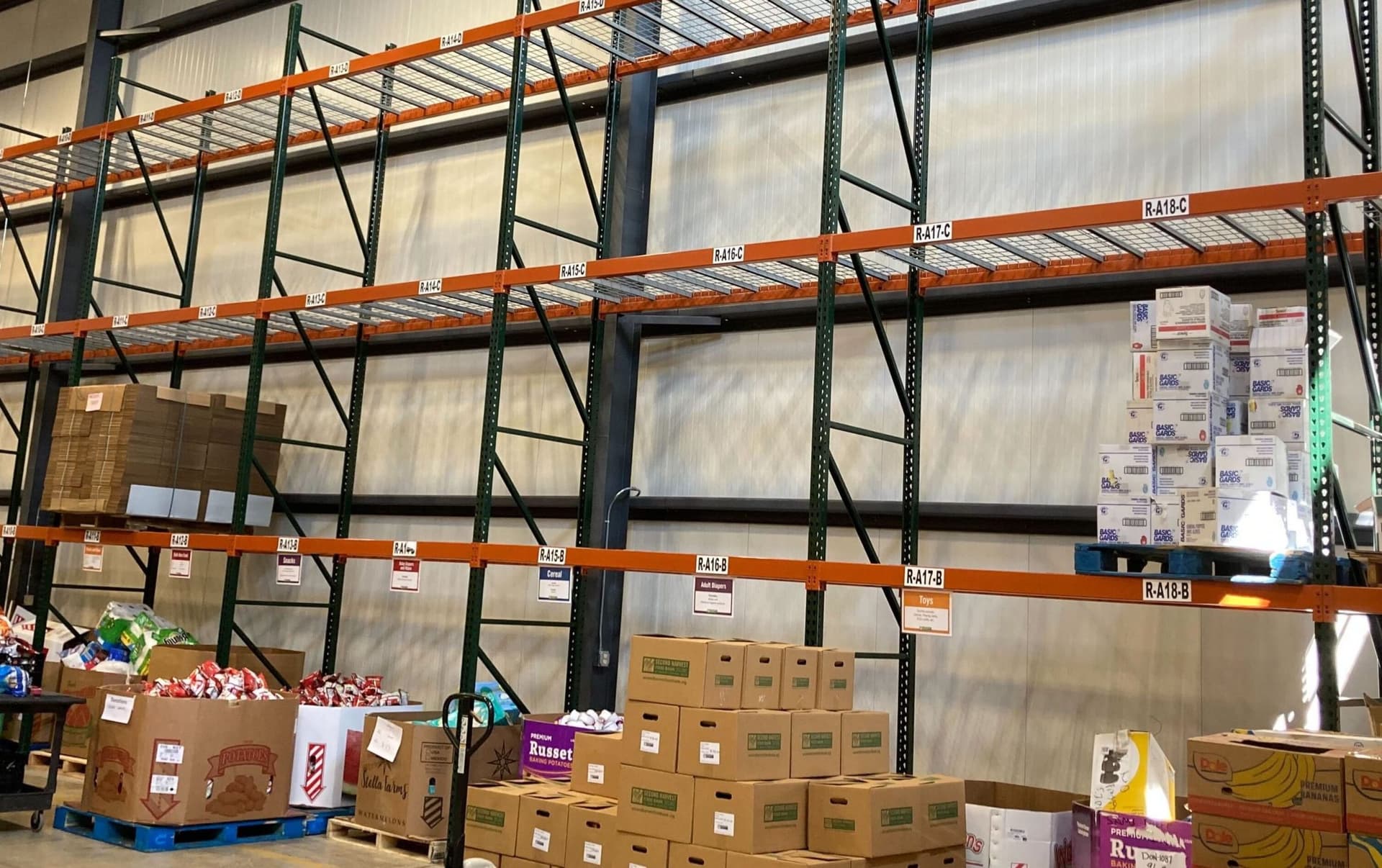
Food banks are not dealing with one problem. They are managing a three-way squeeze: inflation keeps demand high, supply stays uneven, and federal aid is less predictable than many organizations want it to be. That combination turns ordinary planning questions into real operational risk, because every extra dollar spent on food, freight, or fill-in purchases can narrow what reaches the pantry shelf.

For A Simple Gesture, that pressure is not abstract. The organization’s model depends on donor households, volunteer pickup routes, and a network of pantry partners in Guilford County and Greensboro, North Carolina. When the broader hunger-relief system gets tighter, the practical questions become sharper: which food gets purchased, which gets rescued, how fast product moves, and how reliably local partners can count on deliveries.

Why the pressure keeps building
The numbers show a system under strain. Feeding America said food insecurity increased 6% in 2023. In its 2024 Elevating Voices report, 81% of respondents named rising food costs as a main driver of food insecurity. Feeding America also said people facing hunger needed an additional $24.73 per week in 2022 to be food secure, up 9.5% after adjusting for prices. Across the 44 million people facing hunger, the national amount needed reached $33.1 billion, a record level and nearly 43% higher than before.
Inflation has not let up enough to give food banks breathing room. The Bureau of Labor Statistics said food prices rose 2.7% in 2023 and 2.5% in 2024, while food-at-home prices still climbed 1.8% in 2024. That matters because food banks are buying into the same price environment their clients face, and they are doing it while trying to keep shelves stocked and budgets intact.
The need is also shifting inside the hunger population. Feeding America said more than one million additional senior household members experienced food insecurity in 2024 compared with 2023, and the food insecurity rate among people living in households with someone age 65 or older rose from nearly 10% to 11%. For local providers, that means more families and older adults are depending on food systems that already run on thin margins.
Federal aid still matters, but the ground is moving
The federal safety net remains important, but it is no longer something food banks can treat as fixed. USDA’s Emergency Food Assistance Program, known as TEFAP, provides 100% American-grown USDA Foods along with administrative funds to states to operate the program. In an April 28, 2025 notice, USDA said it expected to make surplus and purchased foods available for donation in fiscal year 2025.
That support helps, but it does not erase the volatility that hunger-relief organizations are facing. Feeding America has warned in 2025 that rising costs, supply-chain disruptions, and policy changes, including halting government funding, are directly affecting food banks’ ability to provide nourishing food. The message for nonprofit leaders is straightforward: do not assume federal support will always arrive in the same form or on the same timeline.
For A Simple Gesture staff and volunteers, that reality turns planning into a resilience exercise. The organization has to think about backup supply, donor communication, pantry handoffs, and escalation paths before a shortage becomes visible on the shelf.
What A Simple Gesture’s model is built to do
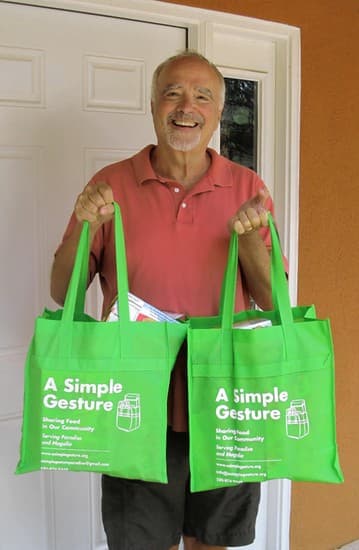
A Simple Gesture has been making donating food easy since 2015 through door-to-door pickups, corporate pickups, and food-recovery pickups. That mix matters because it spreads risk. If one stream tightens, another can help keep food moving.
As of December 2025, the organization reported more than 8,000,000 child-size meals donated, a $13,000,000 value of donated food, more than 75 pantry partners, more than 3,900 recurring food donors, and 200 monthly volunteers. Those figures show a local system with real scale, but they also show how dependent the model is on steady participation. Recurring household donors keep routes worthwhile. Monthly volunteers keep pickups moving. Pantry partners keep the food relevant to local need.
The food-recovery program is another pressure valve. It matches surplus food from restaurants, event venues, grocery stores, and other businesses with vetted nonprofits. In a moment when inflation makes every pound more expensive to replace, rescued food becomes more than a side channel. It is part of the organization’s capacity strategy.
The SHARE school program adds a different kind of access point. By using school refrigerators for student food donations and for students to take food when needed, A Simple Gesture extends its network beyond the curbside pickup model. That matters in a period when food insecurity is rising across age groups and when discreet, neighborhood-level access can make the difference between receiving help and going without.
What adaptation looks like on the ground
This is where the big economic story becomes a workplace story. When inflation, supply unevenness, and weaker aid collide, the organizations that adapt fastest are usually the ones that tighten logistics rather than simply asking people to give more. A better route saves time and fuel. A stronger donor message reduces missed pickups. A cleaner handoff with pantry partners lowers spoilage and waste. Those are not small details; they are the difference between stretching a donation network and watching it fray.
A Simple Gesture’s structure gives it room to respond, but only if the team keeps the system coordinated. The organization’s door-to-door collection depends on route planning and volunteer reliability. Its food-recovery work depends on quick matching between businesses and vetted nonprofits. Its pantry network depends on trust, communication, and consistent delivery. When all three are working, each pickup becomes more valuable because the food reaches a place where it can be used quickly.
That is why planning in 2026 is less about one-time fundraising fixes and more about building a more durable operating model. Stronger pantry relationships, more consistent household recruitment, deeper local sponsorships, and route efficiencies all help protect the same outcome: food moving without delay.
The local lesson for volunteers and staff
For people inside A Simple Gesture, the pressure facing the sector is also a reminder of what the organization does well. Its model is built around convenience, repeat participation, and a network that can absorb small shocks if the pieces stay connected. In a time when grocery costs remain elevated and federal support feels less certain, those design choices are not just helpful. They are the reason the system can keep working.
The organizations that will hold up best are the ones that treat logistics as mission-critical, not administrative. At A Simple Gesture, that means treating every donor route, every pantry partnership, and every rescued-food handoff as part of the same response to a tougher hunger landscape.
This article was produced by Prism’s automated news system from verified source data, official records, and press releases, then run through automated quality and moderation checks before publishing. The system is built and supervised by the people who set the standards it runs under. Read our full AI policy.
Did this article answer your question?