JAN toolkit helps nonprofit leaders navigate workplace accommodations
A request for help can derail a busy nonprofit shift, but JAN’s toolkit turns it into a documented process that keeps pickups, schedules, and staff support moving.
When a request lands in the middle of a busy week
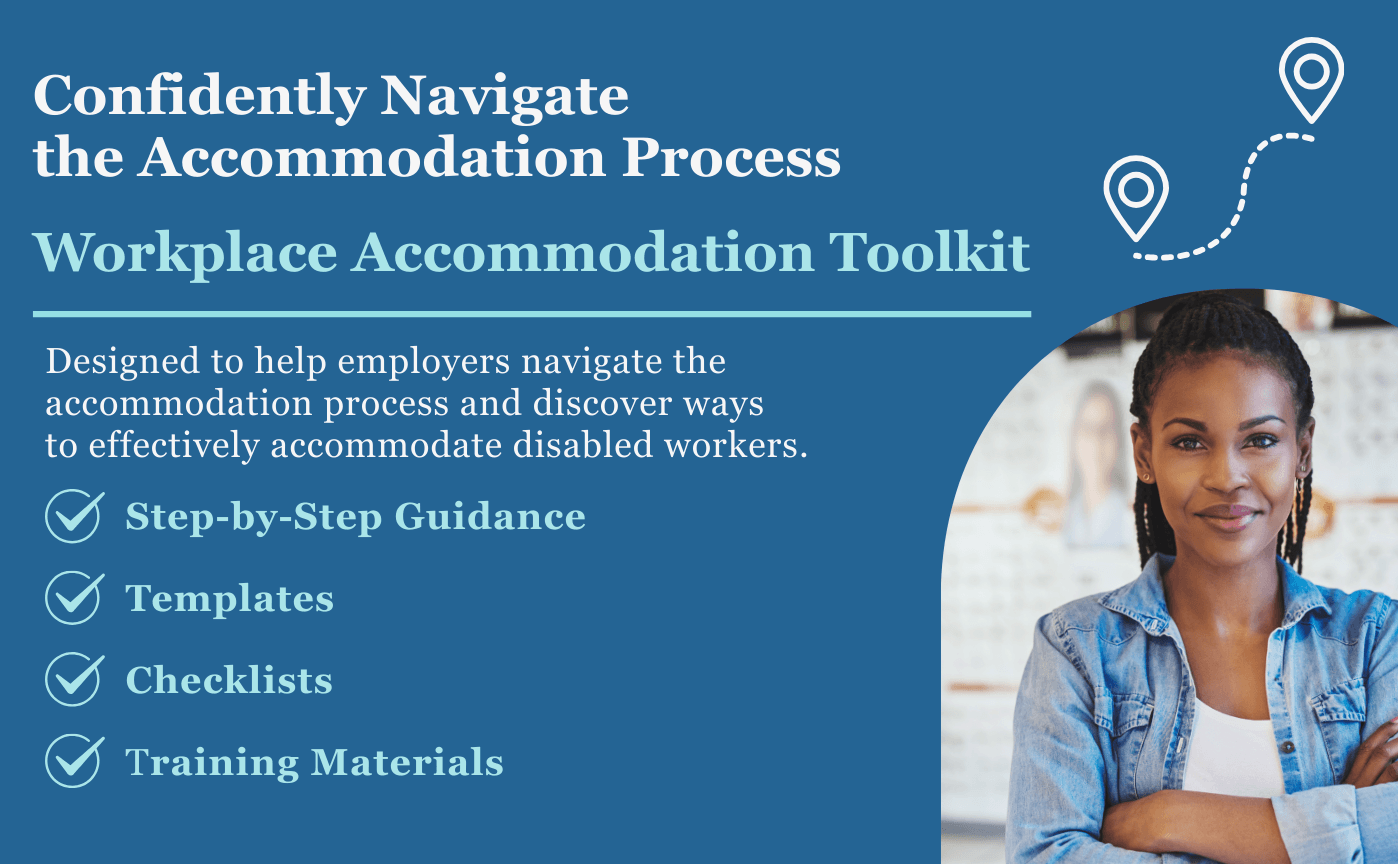
At a route-based nonprofit like A Simple Gesture, the hardest accommodation moments are often the least dramatic ones: a supervisor gets a request for a modified schedule, a temporary duty change, or a pause in physical work, and suddenly the manager has to balance the person’s needs against pickups, donor routes, pantry deliveries, and volunteer coverage. Ask JAN’s Workplace Accommodation Toolkit is built for that exact moment, giving leaders a practical way to move from uncertainty to action without treating the request like a legal puzzle first.
The toolkit is designed to help employers navigate the reasonable accommodation process under Title I of the ADA and Section 501 of the Rehabilitation Act. JAN says the ADA prohibits employment discrimination against people with disabilities and requires covered entities to provide reasonable accommodations, but it also notes that employers not covered by those laws may still find the process guidance useful. For a nonprofit that depends on continuity, that matters because the toolkit is less about legal theory than about getting a manager to the next correct step.
What the toolkit gives supervisors
JAN does not package this as a static handbook. The toolkit includes a basic overview, step-by-step guidance, documentation tools, sample templates, forms, a log, ongoing support tools, and training resources, all meant to help the people who actually handle requests on the ground: human resources staff, supervisors, accommodation coordinators, legal experts, and managers. That makes it especially useful in smaller nonprofit settings where one person may wear all of those hats at once.
JAN also says the toolkit will be updated as new information becomes available and accommodation strategies evolve. That living-resource approach is important for organizations with shifting schedules and shared coverage, because the accommodation that works for a desk role one month may need to be adjusted when volunteer demand rises, routes change, or a staff member’s limitations change.
How the process starts in real life
One of the most useful parts of the toolkit is that employees do not have to use legal terms or mention the ADA to ask for help. If someone says they need a change because of a health condition or disability, JAN says that can be enough to begin the process.
From there, the sample process moves in a clear sequence: recognize the request, meet with the employee, decide whether medical documentation is needed, explore possible accommodations, choose an option, implement it, and then monitor whether it is working. For a nonprofit supervisor, that sequence is the difference between improvising and managing. Instead of guessing whether to grant a schedule change on the spot or waiting too long for approval, the manager has a practical path that keeps the conversation moving.
JAN’s quick-reference checklist makes the timing even more concrete. It calls for acknowledging the request, beginning an accommodation file, documenting meetings, reviewing potential accommodations, implementing the chosen option, and scheduling a follow-up meeting in 1 to 2 weeks. That follow-up window is especially helpful in a mission-driven operation where a temporary fix can easily become invisible unless someone checks back.
Why documentation is not just paperwork
The toolkit puts real weight on documentation because accommodation decisions need to be consistent, factual, and easy to revisit. JAN says employers should keep a separate accommodation file rather than folding it into the personnel file, and that record should include dates, participants, decisions, implementation steps, and follow-up adjustments. JAN also says those records should stay factual and respectful.
For a nonprofit manager, that kind of documentation protects the operation as much as it supports the worker. If a volunteer coordinator, route supervisor, or program lead needs to shift responsibilities temporarily, the written record helps everyone remember what was decided, what was tried, and what needs to change later. That reduces the risk of misunderstandings when staffing is tight or when a second manager steps in.

How federal guidance reinforces the same playbook
The toolkit’s value becomes clearer when set against the U.S. Equal Employment Opportunity Commission’s guidance. The EEOC says Title I of the ADA requires reasonable accommodation unless it would cause undue hardship, and that the process depends on communication, case-by-case analysis, and flexible problem-solving rather than one-size-fits-all rules. The agency also says the ADA generally applies to employers with 15 or more employees.
For federal workplaces, the EEOC says Section 501 of the Rehabilitation Act prohibits employment discrimination against individuals with disabilities, and federal agencies must have written, easily available reasonable accommodation procedures. The EEOC and U.S. Department of Labor’s Office of Disability Employment Policy also say federal agencies must provide a written explanation when a request is denied. JAN’s toolkit translates that broader legal framework into something a nonprofit supervisor can actually use during a busy week, especially when the manager’s first priority is keeping the work moving.
What kinds of accommodations the toolkit helps managers think through
Both JAN and the EEOC emphasize that accommodations are often practical, not dramatic. EEOC guidance lists common examples such as job restructuring, leave, modified or part-time schedules, modified workplace policies, reassignment, and telework or work-at-home arrangements in some circumstances. JAN’s toolkit similarly encourages employers to review the employee’s preferences while selecting the accommodation that is most appropriate for both employee and employer.
That approach fits a food recovery nonprofit particularly well. In an operation like A Simple Gesture, the adjustment might involve temporary changes to route work, physical handling, donor communication, data entry, or back-office support rather than a wholesale redesign of the job. The key is not to guess whether the request is “big enough” to matter. The toolkit helps leaders treat the request as a structured operational issue with a documented solution.
Where JAN support fits if the answer is not obvious
JAN does more than publish the toolkit. It says it has provided guidance on workplace accommodations since 1983 and describes its consultation service as free, expert, and confidential. JAN says consultants typically respond at the time of contact or within 24 hours, and it notes that it does not provide legal advice or advocacy services.
That support matters when a request does not fit neatly into the sample process. Maybe the medical information is incomplete, maybe the accommodation affects several teams, or maybe the manager cannot tell whether an option is workable. The toolkit gives the framework, and JAN’s consultation service gives employers another layer of practical help before a small problem turns into a delay.
The larger value for nonprofit leaders
JAN’s Situations and Solutions Finder reflects the same philosophy: share effective accommodation solutions based on real examples so employers do not have to reinvent the wheel every time. For nonprofit leaders, that is the deeper payoff of the toolkit. It turns accommodation from an anxious one-off into a repeatable management process that protects workers, preserves trust, and keeps daily operations steady.
In a mission-driven workplace, that kind of clarity is not administrative overhead. It is part of how the organization keeps faith with the people who make the work possible.
This article was produced by Prism’s automated news system from verified source data, official records, and press releases, then run through automated quality and moderation checks before publishing. The system is built and supervised by the people who set the standards it runs under. Read our full AI policy.
Did this article answer your question?