Lilly marks 150 years with food access aid and pantry cold storage
Lilly paired 500,000 meals with cold storage for 150 pantries, signaling that hunger relief is now as much about refrigeration as donations.
Eli Lilly and Company used its 150th anniversary to make a point that matters far beyond one corporate pledge: food access does not work without the equipment to keep food safe, move it fast, and hold it long enough to reach people who need it.
The Indianapolis company said its support for HATCH, United Way Worldwide, United Way of Central Indiana and the Pacers Foundation would help distribute about 500,000 meals across 15 communities and build cold-storage infrastructure at 150 food pantries nationwide. Lilly said the refrigeration systems are expected to support about five million protein-rich meals a year, turning what could have been a short-term donation into capacity that can keep paying off.
That distinction matters in a sector where the need is already overwhelming. United Way Worldwide says more than 34 million people in the United States, including 9 million children, struggle with hunger, and it frames food insecurity as a problem of health, opportunity and dignity, not just calories. Lilly’s emphasis on protein-rich meals and pantry refrigeration fits that broader view: the constraint is not only food supply, but whether local organizations can store and distribute more nutritious food consistently.
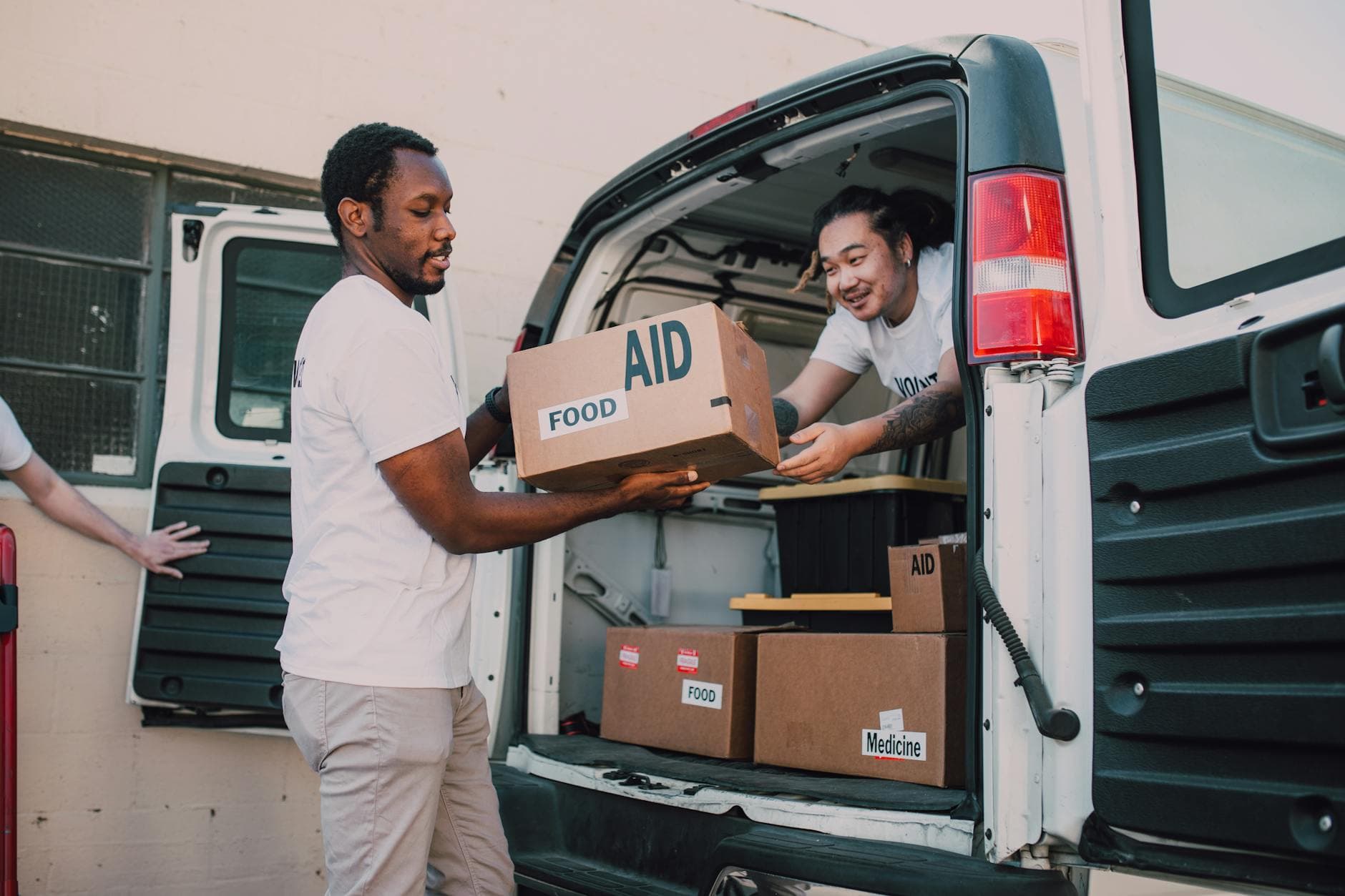
For A Simple Gesture, the signal is practical. Its model rescues edible food from businesses and delivers it to local nonprofits, so the work depends on coordination, volunteer reliability and pantry partners that can actually receive what comes in. Cold storage changes the menu. It can make fresh produce, dairy and protein more feasible to recover and route, which in turn affects what volunteers pick up, what coordinators schedule and what pantries can accept without waste.
That is the bigger lesson for a network like A Simple Gesture, which started in 2011 when Jonathan Trivers launched the model in Paradise, California, and has since been replicated by more than 70 chapters nationwide. As chapters grow, the bottleneck is often not goodwill but infrastructure. A pantry with refrigeration can take more of the right food, more often, which makes volunteer routes more useful and community partnerships more durable.
Lilly’s Indianapolis piece also underscores how corporate support can be more than a one-time check. The company said its local backing will help United Way of Central Indiana support food distributions at Gleaners and Second Helpings, tying a celebratory anniversary to the unglamorous mechanics of hunger relief. For nonprofits built around recovery, delivery and pantry relationships, that is the kind of support that can outlast a branding moment and strengthen the system itself.
Know something we missed? Have a correction or additional information?
Submit a Tip