Michigan grants fund refrigerated transport to move local food safely
Refrigerated vans, cargo bikes and box trucks are now part of the food-access strategy in Michigan, where 21 grants targeted the gap between farms and pantries.

Food access in Michigan is increasingly being won or lost in the ride between farm and pantry. The state’s Last Food Mile grants put refrigeration, delivery vehicles and local partnerships at the center of the problem, funding the transport systems that keep produce, dairy and other fresh foods safe long enough to reach community distribution sites.
Michigan agriculture officials announced the 2026 grant recipients on May 14. The Michigan Department of Agriculture and Rural Development said the program grew out of its Farm to Family Program after community conversations repeatedly pointed to infrastructure as a barrier for agribusinesses and food distribution. State officials said they received more than 130 applications, then selected 21 projects that will reach more than 300 Michigan food producers, with more than half of those producers using regenerative agriculture practices.
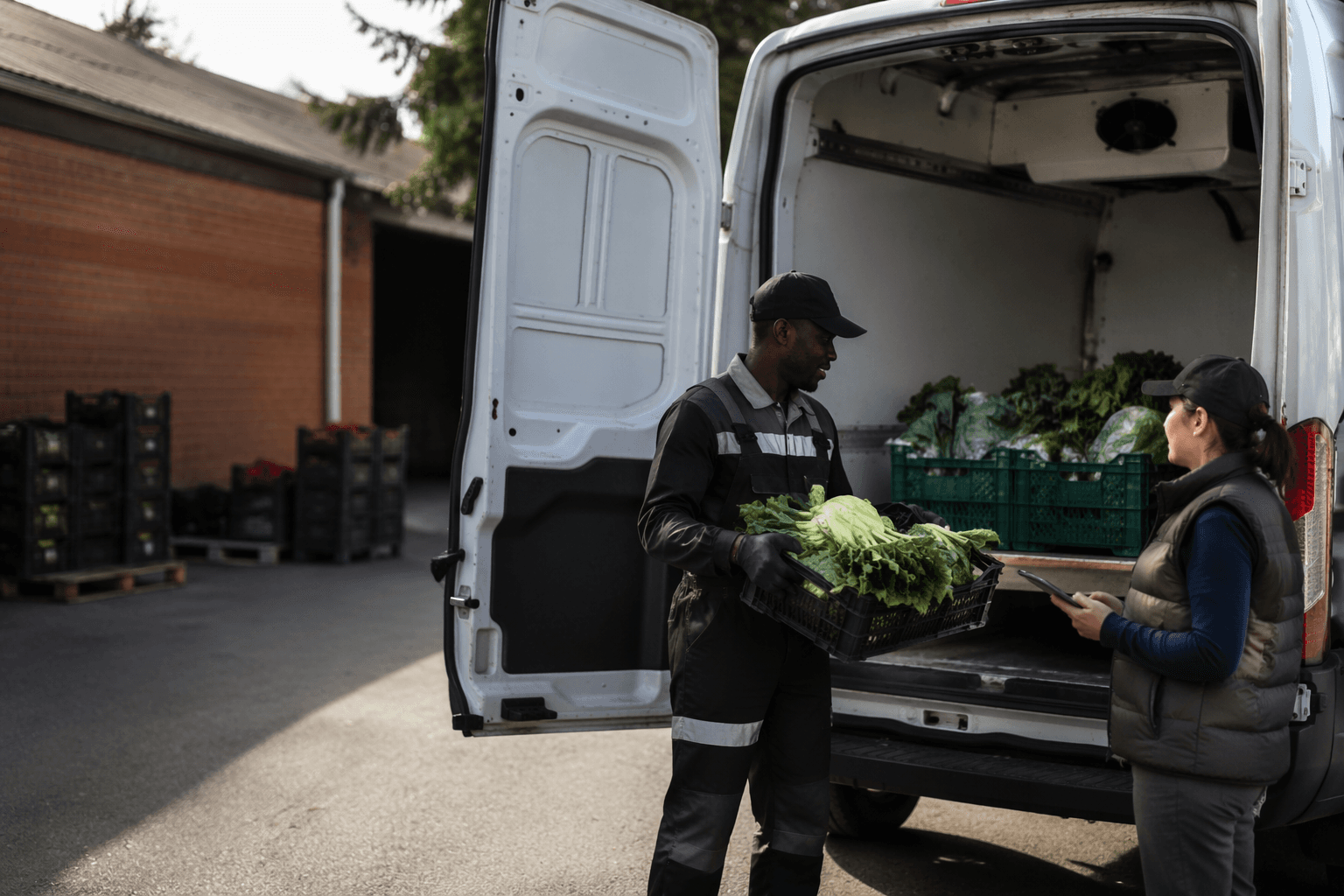
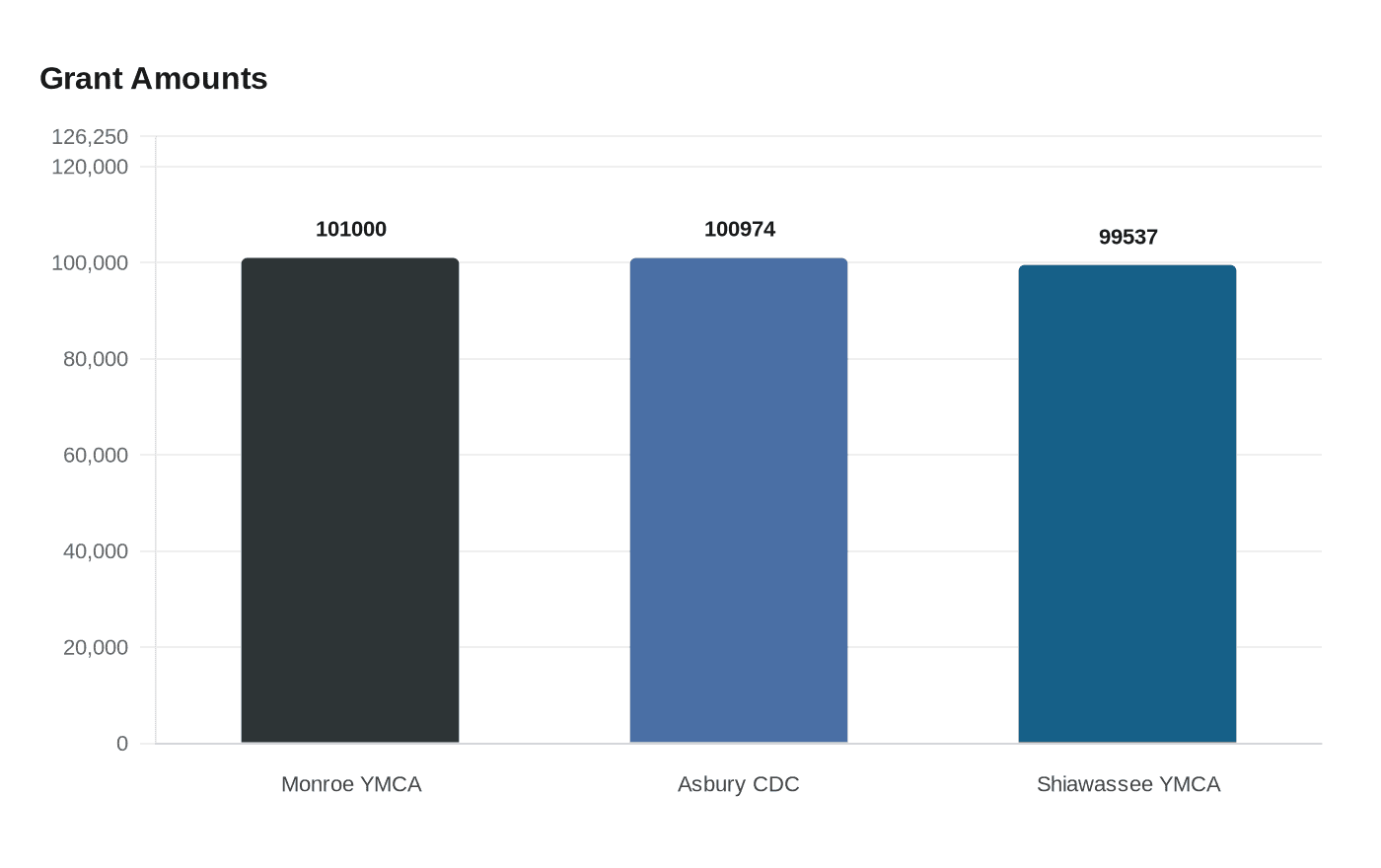
Several awards underscored how narrow the margin can be between food that exists and food that actually gets delivered. Monroe Family YMCA received $101,000 for refrigeration infrastructure to improve the safe and reliable transportation of fresh produce, dairy and value-added products from local farms to community distribution sites. Mid-Michigan Asbury Community Development Corp. in Flint received $100,974 for a refrigerated delivery van. Shiawassee Family YMCA in Owosso received $99,537 for a refrigerated cargo van aimed at reaching rural communities with limited retail food options.
The program’s rules show how tightly MDARD is tying dollars to logistics outcomes. Grant-funded vehicles must be valued at $100,000 or less and used to transport food. The department also says alternatives such as box trucks, insulated trailers or cargo bikes can qualify if they are justified. Eligible projects must establish or expand at least one partnership to address logistics and marketing challenges at the regional or local level.
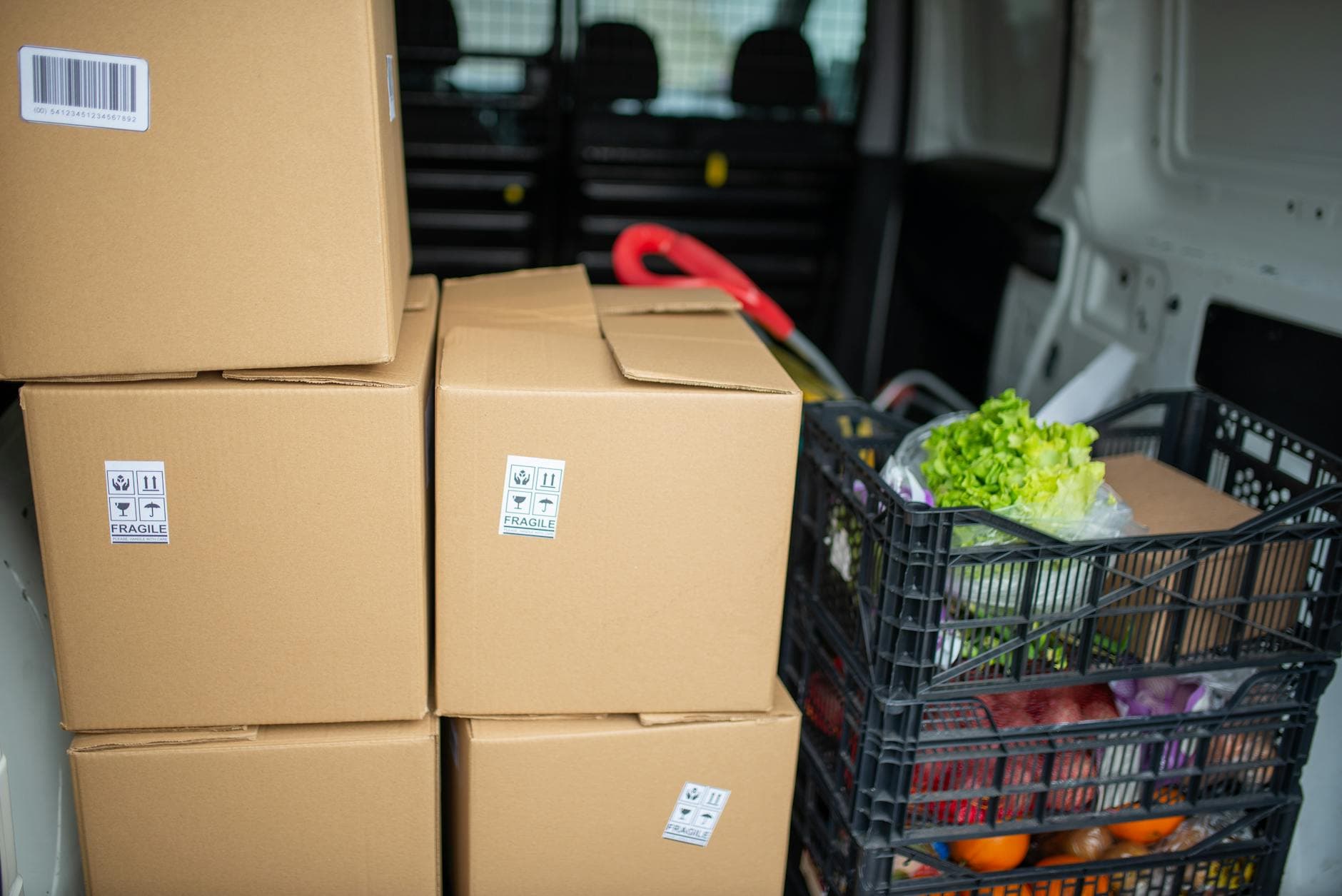
For A Simple Gesture, that is a familiar problem in a different form. The Guilford County chapter, established as a 501(c)(3) nonprofit in 2015, says it has now helped donate more than 8,000,000 child-size meals and $13,000,000 in food value as of December 2025. It also reports 75-plus pantry partners, 3,900-plus recurring food donors and about 200 monthly volunteers.
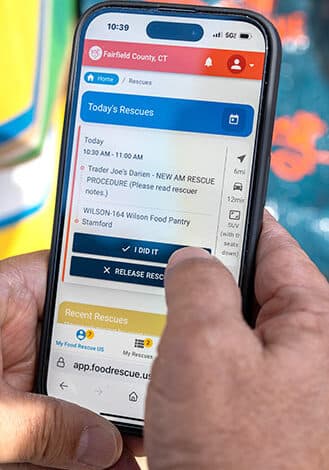
Its model depends on the same kind of operational discipline MDARD is backing in Michigan: volunteers use personal cars, weekday pickup routes and food-recovery handoffs to move surplus food from businesses to vetted nonprofits. The organization’s food recovery work and its neighborhood donation network both depend on timing, route coordination and dependable handoffs, not just goodwill.
The state’s grant round makes that reality harder to ignore. Refrigeration, transport and partnerships are not side issues in food recovery. They are the infrastructure that determines whether local food reaches people while it is still safe, usable and worth delivering.
Know something we missed? Have a correction or additional information?
Submit a Tip