New York Fed report finds rising food insecurity among lower-income households
Food insecurity climbed to 19.7% in lower-income households as grocery costs stayed high, warning employers that hunger is now a workplace stressor.
A stable economy can still leave workers skipping meals, and the latest food-security data shows how quickly that gap widens. In households earning under $50,000, the share saying they did not have enough food or that children missed meals rose to 19.7% in early 2026, up from 16% in late 2025 and 6.7% in mid-2020. That is not just a pantry problem. It is a sign of rising financial strain that can show up at work as fatigue, distraction, absenteeism, and a tougher road for employees already stretching paychecks.
The Federal Reserve Bank of New York said its analysis of newly collected Survey of Consumer Expectations data found a “remarkable increase” in food insecurity, especially among lower-income and lower-educated households and families with young children. The Fed tied the trend to lower job-finding expectations and broader consumer pessimism, a reminder that hunger is moving in step with anxiety about work, wages, and household stability.

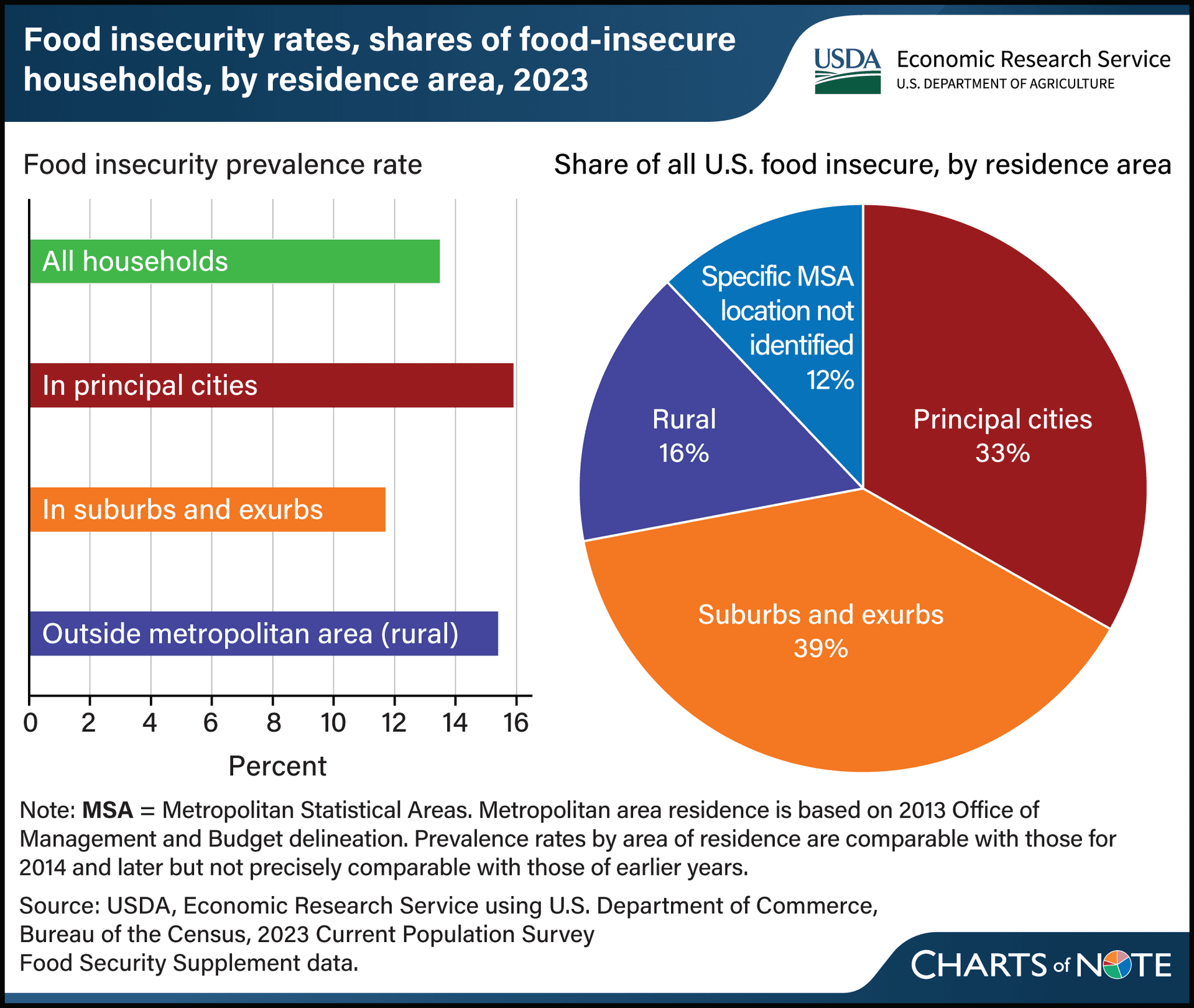
The scale of the problem is already large. The U.S. Department of Agriculture estimated that 13.7% of U.S. households were food insecure at some point in 2024, while 9.1% of households with children experienced child food insecurity. It also said 5.4% of households had very low food security, meaning reduced food intake and disrupted eating patterns because of limited resources. Feeding America said that translated to more than 14 million children living in food-insecure households.

Price pressure has only made the squeeze worse. The Bureau of Labor Statistics said the Consumer Price Index for all items rose 3.8% over the 12 months ending April 2026. USDA said food-at-home prices were 2.9% higher in April 2026 than in April 2025, and nine of the 15 food-at-home categories it tracks were forecast to rise faster than their 20-year historical average in 2026. That helps explain why families are reaching for food banks, SNAP, and savings just to keep groceries on the table.
For A Simple Gesture, the numbers point to a workload that is likely to stay heavy. The Guilford County chapter partners with 21 food pantries and says it works with dozens of local pantry partners across the area. Its green-bag doorstep donation model depends on steady volunteer recruitment, route coordination, and reliable sorting support, and the organization says a one-dollar donation converts to more than $30 of food for food banks and pantries. Across more than 60 chapters nationwide, A Simple Gesture says it has provided over 7 million meals.
That matters for the people doing the pickup routes and pantry deliveries as much as for the families receiving the food. When food insecurity rises alongside grocery prices and job-market pessimism, workplace giving programs cannot treat hunger as a distant social issue. They become part of the local safety net, especially in communities like Greensboro and Guilford County where pantry partners are already carrying more demand with the same volunteer base.
This article was produced by Prism’s automated news system from verified source data, official records, and press releases, then run through automated quality and moderation checks before publishing. The system is built and supervised by the people who set the standards it runs under. Read our full AI policy.
Did this article answer your question?