New York hunger leaders cautiously back city-run grocery stores plan
New York hunger leaders backed five city-owned grocery stores with caution, saying the real test was whether they cut prices, reached the South Bronx, and fit the wider food-access network.
New York’s plan for five city-owned grocery stores landed in hunger circles with guarded optimism, but the operational questions came fast. Leaders saw promise in a model meant to lower grocery prices in a city where the poverty rate is nearly twice the national average, yet they also wanted to know whether a handful of stores could do more than create another pilot.
The first store would open next year in a high-poverty neighborhood in the South Bronx, and that detail mattered as much as the headline promise. For food banks and pantry operators, a store in the right place could ease pressure on emergency food sites if it actually made basic groceries more affordable. A poorly placed store, or one that people could not easily reach, would risk becoming another well-intended fix that left the hardest neighborhoods still leaning on pantries.

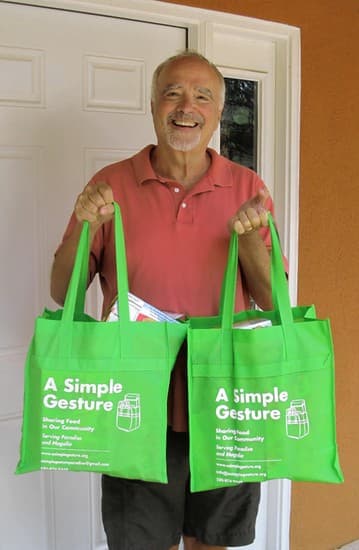
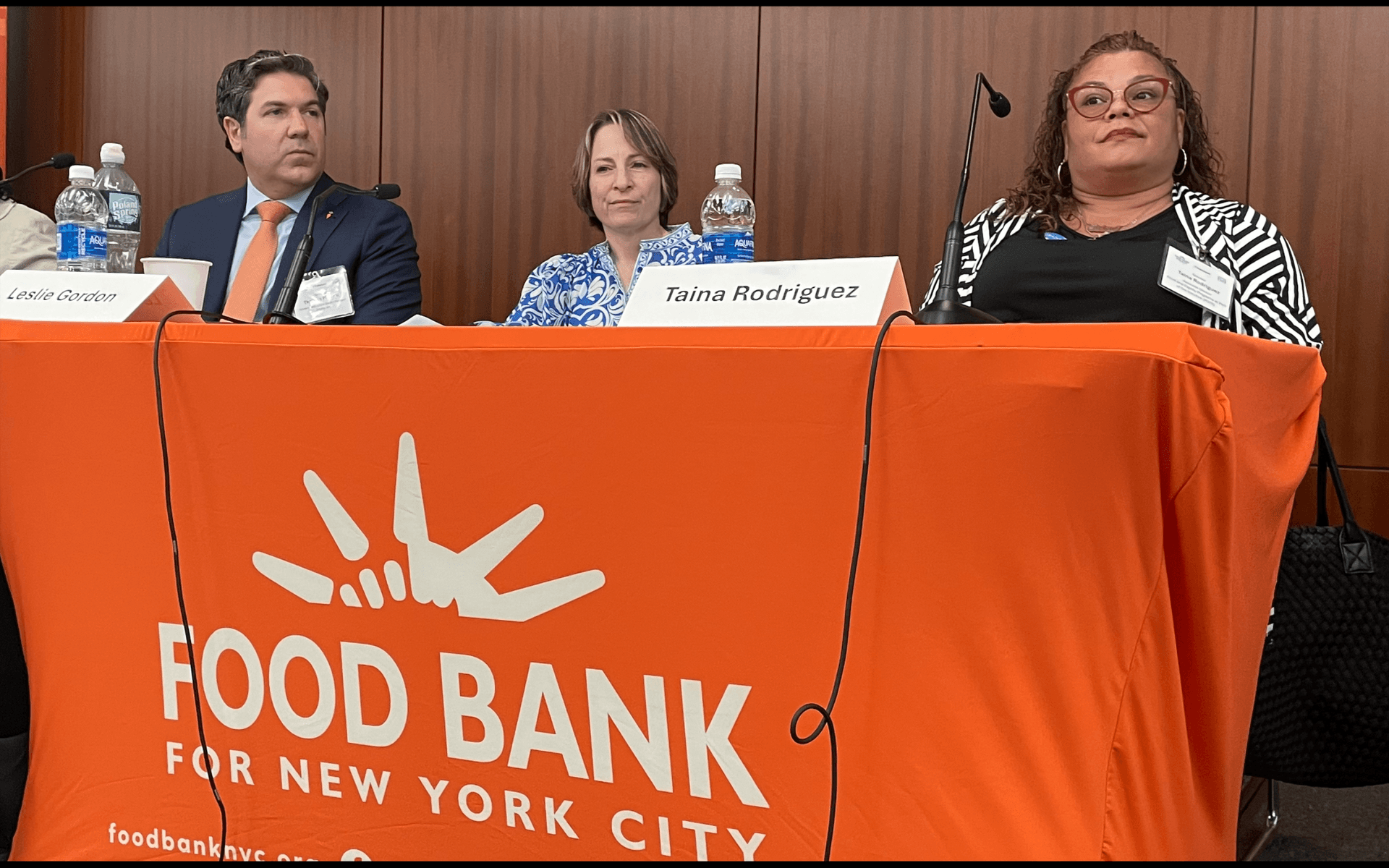
Food Bank for New York City president and CEO Leslie Gordon treated the proposal as one piece of a much broader set of solutions, not a replacement for them. That distinction is the one A Simple Gesture staff will recognize immediately. Doorstep donations, pantry deliveries, mobile markets, online SNAP shopping and neighborhood grocers all sit on the same continuum. If one part fails, the others absorb the strain. If a city store opens in the wrong place or cannot keep prices down, food banks and pantries will still be the backstop.
The practical questions raised around the plan were the ones that decide whether a policy lives or dies in daily operations. Where exactly will the stores go? How will community members get to them? Who will handle procurement? And can five stores move prices in a market as large and complicated as New York’s? Those are not abstract policy debates. They are the same kinds of logistics that determine whether a route gets completed, whether a pantry shelf stays stocked, and whether volunteers keep showing up because they can see the work reaching real people.

The larger lesson for A Simple Gesture is that food access is becoming more experimental, not less, and that is not a reason to retreat from local relationships. It is a reminder to keep listening to neighbors, volunteers and partner pantries before assuming any single model will solve access on its own. Programs work best when the people living with hunger help shape them, because they know the barriers that spreadsheets miss.
This article was produced by Prism’s automated news system from verified source data, official records, and press releases, then run through automated quality and moderation checks before publishing. The system is built and supervised by the people who set the standards it runs under. Read our full AI policy.
Did this article answer your question?