Nonprofit staffing crisis strains service delivery, volunteer programs at A Simple Gesture
A Simple Gesture’s 200 monthly volunteers depend on a thin staff core as 74.6% of nonprofits report vacancies and service waiting lists grow.
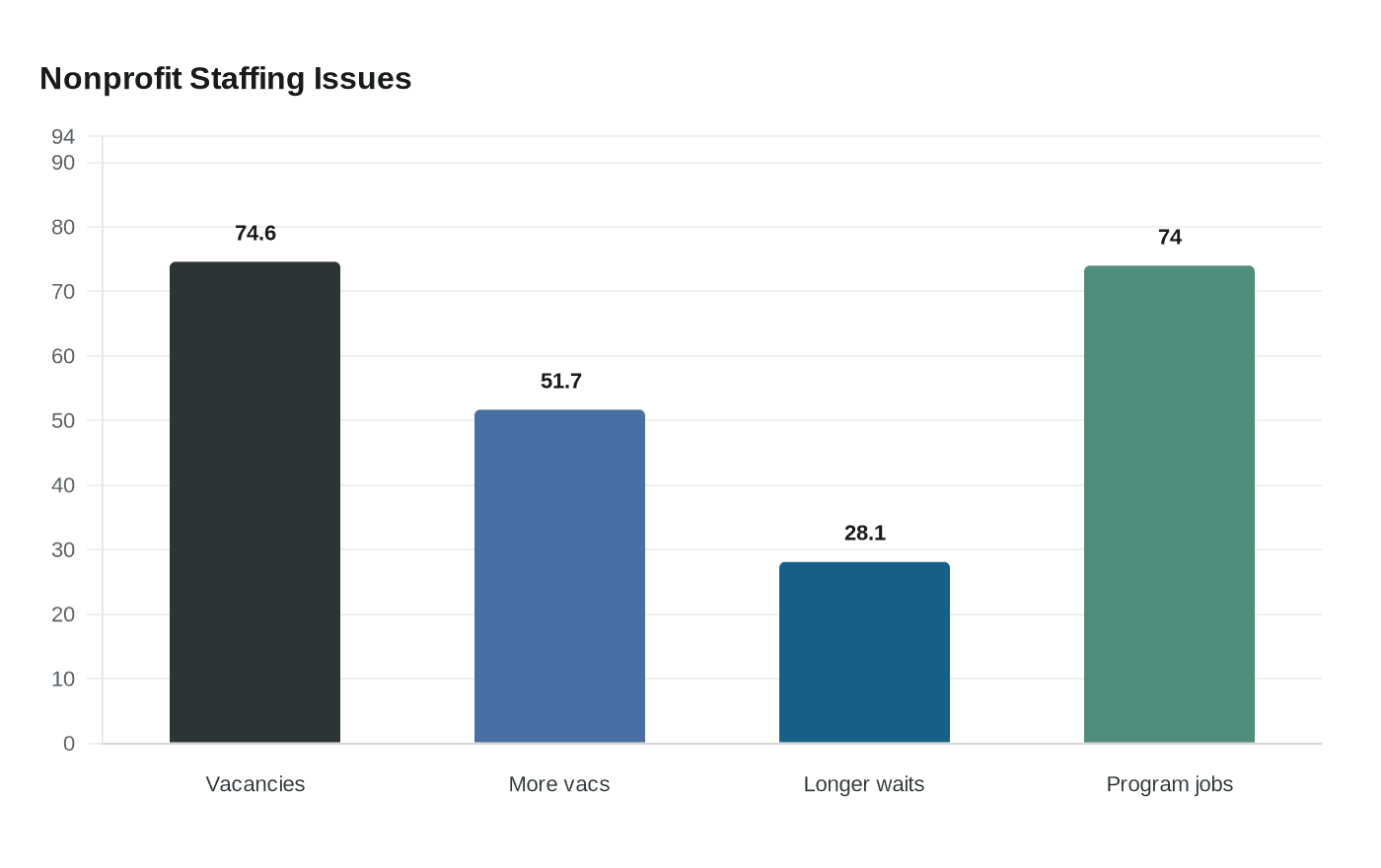
When nonprofit staffing breaks down, the first signs are operational: slower pickups, tighter pantry coverage, longer waits for food, and more pressure on the volunteers who are already trying to keep routes moving. The National Council of Nonprofits found that 74.6% of nonprofits reported job vacancies, 51.7% had more vacancies in April 2023 than before the pandemic, and 28.1% said waiting lists for services were longer. Just as important for A Simple Gesture, 74.0% of surveyed groups said the open jobs were in program and service delivery, the exact work that keeps donor calls answered, routes scheduled, and partner agencies informed.
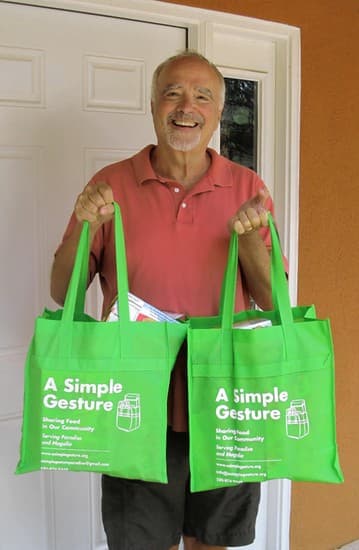
For A Simple Gesture, that kind of shortage would land immediately in the field. The Guilford County nonprofit says it was established in 2015 to provide a sustainable supply of food to local pantries, collect excess perishable food for community meals and nonprofits, and support the SHARE program in Guilford County Schools. As of December 2025, the organization said it had helped deliver more than 8,000,000 child-size meals, logged $13,000,000 in donated-food value, worked with 75-plus pantry partners, supported 3,900-plus recurring food donors, and relied on 200 monthly volunteers. That scale makes staff continuity more than an internal management issue; if the people who coordinate porch pickups, food recovery runs, and pantry matching fall behind, the whole system moves slower.
The food-recovery side is especially sensitive to staffing gaps. A Simple Gesture says it matches surplus food with more than 35 vetted nonprofits in Guilford County and depends on volunteers as the “driving” force behind the work. Volunteers must be 18 or older, be able to lift 20-pound boxes, use a smartphone, drive a clean personal car, and wear closed-toe shoes. In other words, the model is built around precision logistics, not casual drop-in help. A missed schedule change or an unanswered donor question can ripple from a single route to a pantry partner expecting food that day.
The broader workforce report points to the pressure points most likely to help fastest: better onboarding, realistic workloads, backup coverage and clearer role definitions. It also shows why retention matters as much as recruiting. Salary competition affected recruitment and retention for 72.2% of respondents, budget constraints for 66.3%, stress and burnout for 50.2%, and government grants and contracting challenges for 20.6%. Those are the conditions that push small nonprofits to stretch the same staff across volunteer management, partner communication and service delivery until gaps show up in the field.
A Simple Gesture’s own history underscores why that capacity matters. The group says its first start-up began in April 2015 with Westminster Presbyterian Church as the first sponsor, and local reporting says it was created after Guilford County was named one of the hungriest metropolitan areas in the country. Guilford County’s OneGuilford effort is now working with Second Harvest Food Bank, A Simple Gesture and the Greater High Point Food Alliance to assess partner capacity concerns and coordinate support. For a food-recovery network built to move quickly, staffing is not overhead. It is the mechanism that keeps food moving.
This article was produced by Prism’s automated news system from verified source data, official records, and press releases, then run through automated quality and moderation checks before publishing. The system is built and supervised by the people who set the standards it runs under. Read our full AI policy.
Did this article answer your question?