Nonprofits must follow employment laws, guide warns supervisors
Even a small food-recovery nonprofit cannot improvise HR. Clear policies, lawful hiring, and defined supervision protect staff, volunteers, and the mission.
A Simple Gesture’s green bag program depends on trust, timing, and careful coordination, and that same discipline has to apply to the people running it. The National Council of Nonprofits is blunt on one central point: charitable status does not exempt an organization from state and federal employment laws. For a nonprofit that recruits volunteers, manages pickup routes, and keeps pantry partnerships moving, the lesson is simple: food recovery is only as steady as the team behind it.
Employment law is not optional, even for small teams
The biggest mistake small nonprofits make is assuming they can handle HR by instinct because everyone wears multiple hats. That may feel practical when staff are juggling volunteer recruitment, route changes, donor questions, and pantry logistics, but the legal rules do not bend for convenience. The Fair Labor Standards Act can apply to many employers regardless of size, and other federal laws cover workplaces with 15 or more employees.
That matters for A Simple Gesture because growth can happen quietly. A chapter adds routes, a coordinator starts supervising more volunteers, a part-time role becomes a fuller job, and suddenly the organization is operating with more people systems than it first expected. When that happens, the difference between a manageable workplace and a risky one is usually not mission, but management.
Clear job descriptions keep mission work from turning into confusion
In a nonprofit like A Simple Gesture, the work is often collaborative by necessity. One person may help with volunteer outreach in the morning, route coordination in the afternoon, and pantry communication before the day ends. That flexibility is useful, but it should not replace clarity about who is responsible for what.
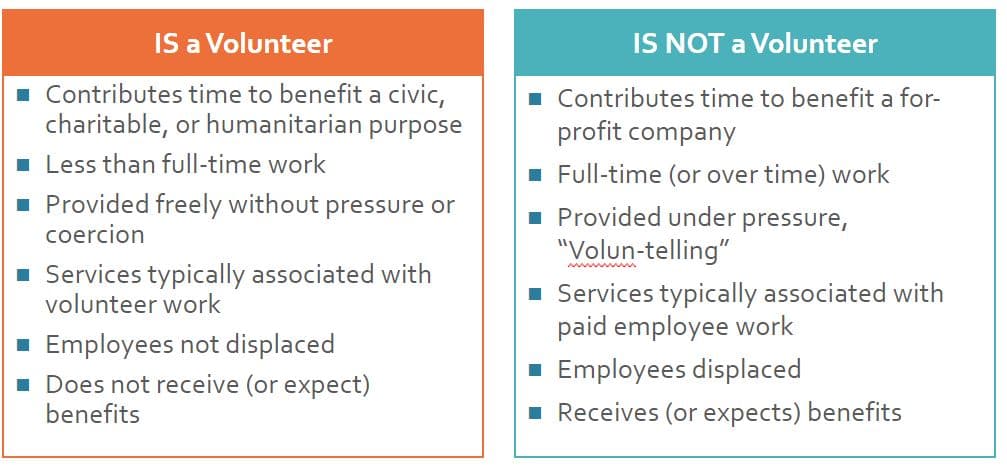
Clear job descriptions help separate volunteer support from employee supervision, and they help staff understand where authority starts and ends. They also make it easier to assign accountability when green bag pickup routes run late, a pantry partner needs a schedule adjustment, or a new chapter needs help building its workflow. Without that clarity, good intentions can turn into inconsistent supervision, and inconsistent supervision is where mistakes begin.
Hiring has to be both equitable and legal
The guide’s warning about hiring is especially relevant in mission-driven organizations that bring people in quickly during busy seasons. A food-recovery nonprofit can feel pressure to fill roles fast, especially when community demand is rising or route coverage needs to expand. Speed, though, is not a substitute for equitable and legal hiring.
Consistent hiring practices help prevent favoritism and reduce the risk that a well-meaning manager makes a decision that creates legal trouble later. For A Simple Gesture, that means treating every hiring decision as part of the organization’s public trust. If the nonprofit wants families, donors, volunteers, and pantry partners to believe in its work, it should also be able to show that its staffing decisions are fair, documented, and handled the same way each time.
Boards set the line, and managers need to respect it
Another point that often gets blurred in nonprofits is governance. The board hires and evaluates the executive director or CEO, which reinforces a basic but important separation between oversight and daily management. Board members are there to set direction, evaluate leadership, and protect the organization’s integrity. They are not the people who should be making ad hoc decisions about day-to-day employee issues.
For a group like A Simple Gesture, that distinction matters because small organizations often rely on informal communication. A board member may know a volunteer personally, a coordinator may be close to a pantry partner, and a staff member may feel pressure to solve everything in one inbox thread. But if the board starts stepping into routine supervision, the organization risks confusion over authority and accountability. A clean chain of responsibility protects both the mission and the people carrying it out.
Don’t go it alone when the rules get murky
The National Council of Nonprofits also stresses that employment law is complicated and constantly changing. That is not a warning meant to scare nonprofits away from good management. It is a reminder that no one should be expected to improvise legal compliance from memory, especially when the rules affect pay, posting requirements, and workplace policies.
The practical answer is to rely on professionals. Insurance brokers, payroll providers, and other advisors can help with policies, posters, and compliance questions before a problem becomes a dispute. For A Simple Gesture, that kind of support is not overhead for its own sake. It is part of the infrastructure that lets the organization keep its attention on food recovery, green bag pickups, and the community reach that comes from dependable pantry partnerships.
Treat people systems like food systems
The cleanest way to think about this is that people systems deserve the same seriousness as route systems. A food donation network needs reliable scheduling, clear handoffs, and a shared understanding of responsibilities. Employment management works the same way. If someone is supposed to answer questions about leave, scheduling, or workplace conduct, that responsibility should not be buried in overflowing inboxes or left to memory.
That is especially true as A Simple Gesture grows through chapters or expands pickup routes. Expansion can expose weak spots that were easy to ignore when the team was smaller. A person who can coordinate a dozen green bags in one neighborhood may not automatically be ready to supervise employees, document policy decisions, and manage legal risk. Supervisors need structure, not improvisation.
Why this is mission-critical, not administrative overhead
Nonprofits sometimes talk about people management as if it were a burden separate from the real work. That view misses how much the mission depends on stable supervision. Talented people and well-run people systems are not side issues. They are mission-critical.
For a nonprofit built on trust, coordination, and community relationships, the workplace itself is part of service delivery. Staff and volunteers who feel fairly supervised are more likely to stay, more likely to communicate early when problems arise, and more likely to keep the green bag program running smoothly. Pantry partners notice that stability too. A reliable internal culture makes external partnerships stronger, and that is how a neighborhood food-recovery network keeps its promises.
The bottom line is plain: charitable purpose does not excuse weak management. If A Simple Gesture wants its routes, volunteers, and pantry relationships to remain dependable, it has to manage people with the same discipline it applies to food recovery.
This article was produced by Prism’s automated news system from verified source data, official records, and press releases, then run through automated quality and moderation checks before publishing. The system is built and supervised by the people who set the standards it runs under. Read our full AI policy.
Did this article answer your question?