North Carolina begins SUN Bucks payments, boosting summer food access
North Carolina’s first 2026 SUN Bucks payments reached more than 1 million children, a shift that could ease some summer pantry traffic while leaving gaps for families still outside the benefit net.

North Carolina’s first 2026 SUN Bucks issuances began June 1, putting $121 million into the hands of more than 1 million children just as summer food demand starts to climb. The one-time $120-per-child benefit is loaded onto a SUN Bucks card that can be used at grocery stores, farmers markets and some online retailers that accept EBT, with many cards expected to arrive by June 15.
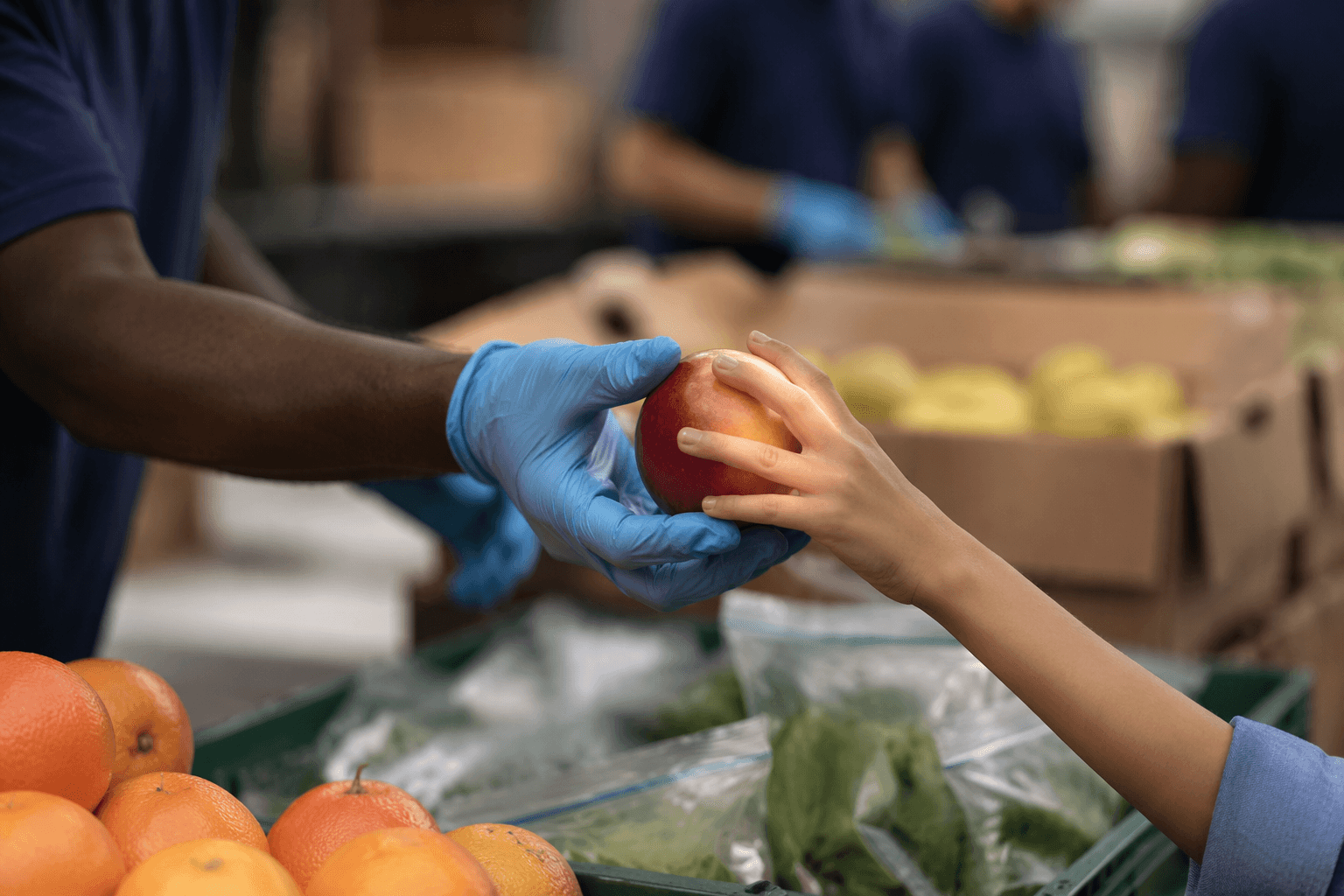
For food banks, schools and neighborhood distributors, the timing matters as much as the dollar amount. When summer benefits hit, some families shift purchases away from pantry lines and toward retail shopping, which can change everything from donation pacing to refrigerator inventory and volunteer scheduling. For A Simple Gesture, which works with dozens of local food pantries in Guilford County and rescues edible food from businesses for local nonprofits, that means the summer load may not disappear, but it can move around fast.
The state says many children were automatically enrolled and did not need to apply. Automatic eligibility covers children in National School Lunch Program schools who received free or reduced-price meals, along with families already receiving Food and Nutrition Services, Work First, Medicaid for households below 185% of the federal poverty level, the Cherokee Tribal Food Distribution Program, foster care, and McKinney-Vento homelessness or runaway status. Eligibility notices were sent in late spring and early summer by email, text message and robocall, while families with children in foster care did not receive direct notices. New cards were mailed to the address on file at the time of issuance.
That automatic rollout is helpful, but it also exposes the seams in the system. Families who are not enrolled in the state’s eligibility tracks still have to find food somewhere, and the state’s own policy backdrop makes clear why summer remains a pressure point: school meals disappear, transportation gets in the way of meal-site access, and many households still rely on schools for consistent nutrition. In practice, SUN Bucks can reduce one layer of demand while leaving the hardest-to-reach families dependent on pantries, recovery programs and local delivery networks.
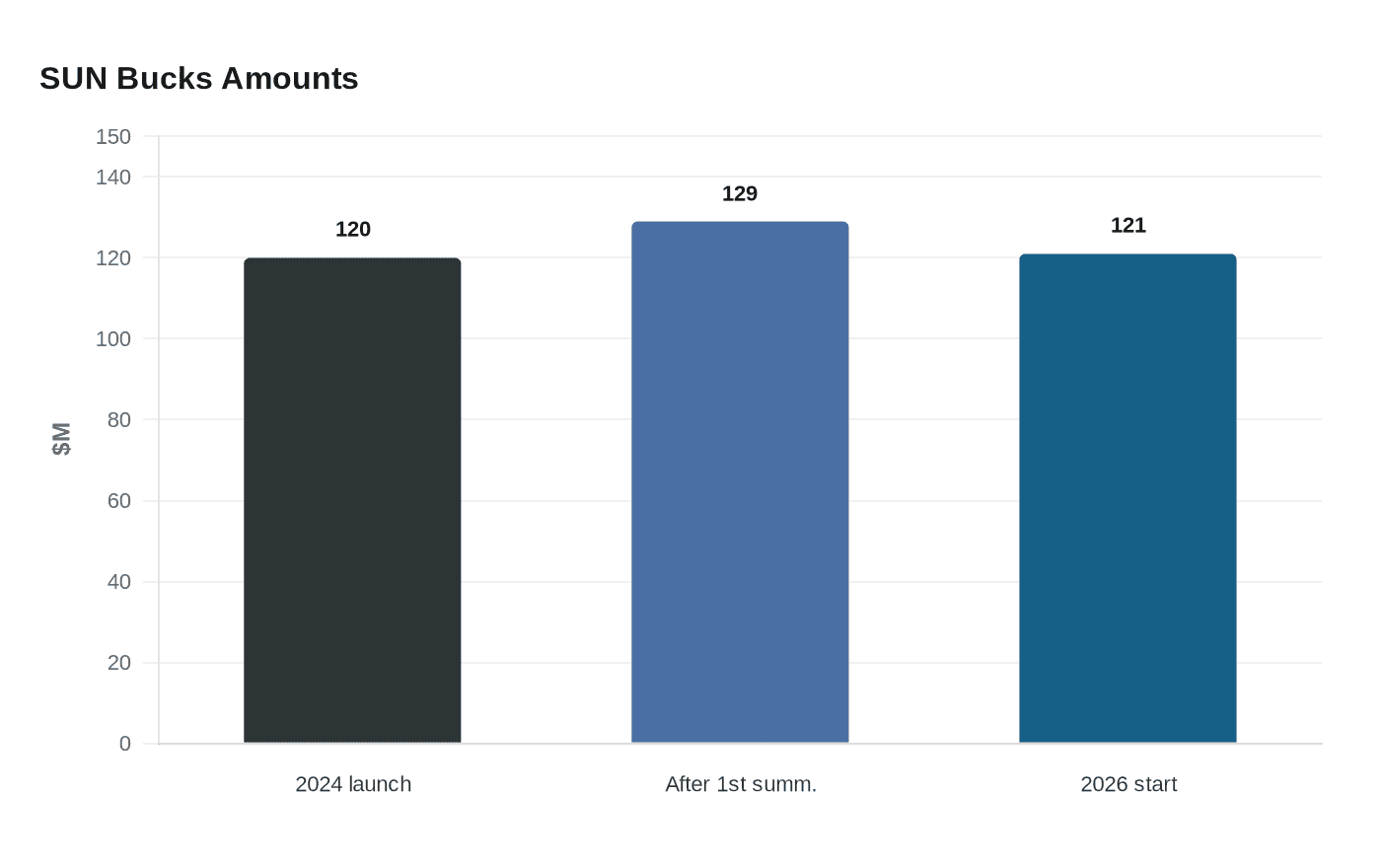
North Carolina first launched SUN Bucks in 2024, when the state said it would receive about $120 million for more than 1 million schoolchildren. After that first summer, NCDHHS said more than $129 million was distributed to more than 1 million children and families. The program returned in 2025, and again in 2026, but the work on the ground has not changed: local partners still have to calibrate outreach, stock, and volunteer coverage around a benefit that helps many households while leaving others outside the line.
This article was produced by Prism’s automated news system from verified source data, official records, and press releases, then run through automated quality and moderation checks before publishing. The system is built and supervised by the people who set the standards it runs under. Read our full AI policy.
Know something we missed? Have a correction or additional information?
Submit a Tip