OSHA emergency planning helps A Simple Gesture prepare for disruptions
OSHA’s emergency planning framework gives A Simple Gesture a practical way to protect volunteers, protect food, and keep green-bag pickups moving through storms and outages.
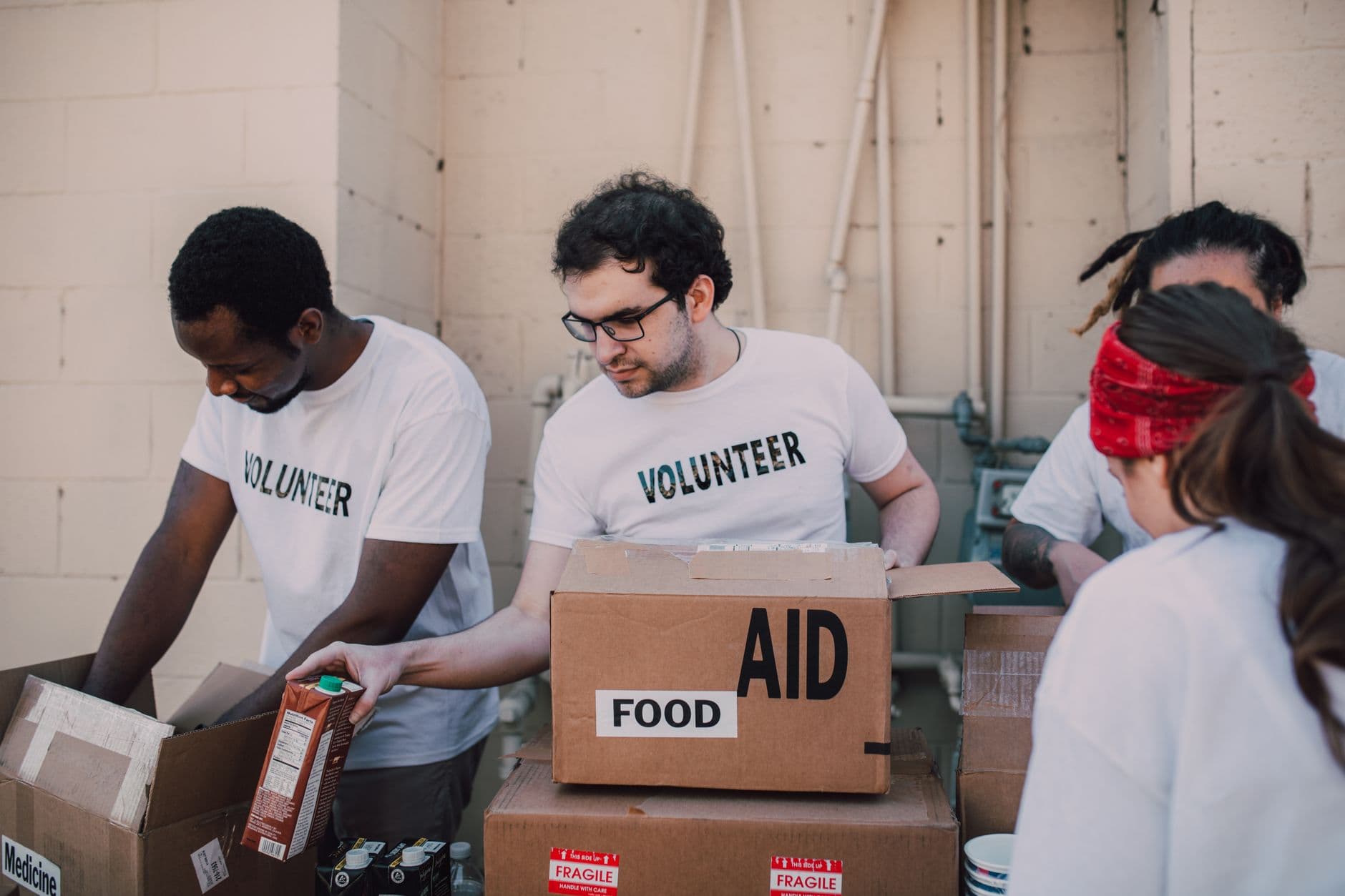
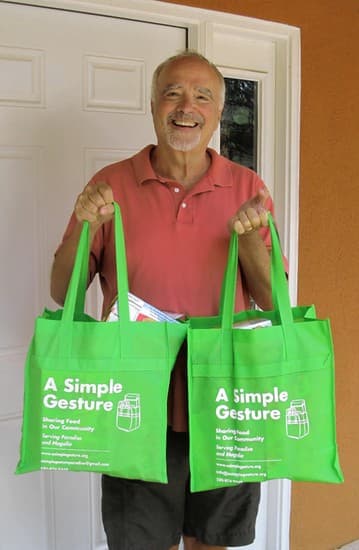
A Simple Gesture’s work depends on predictability: volunteers show up, green bags get picked up, pantry partners receive food, and community donors keep the system moving. OSHA’s emergency-preparedness guidance treats that kind of continuity as a workplace issue, not a side project, which makes it a natural fit for a neighborhood food-recovery nonprofit that can be knocked off course by storms, outages, road closures, or communications failures.
Why OSHA belongs in the operations playbook
OSHA says emergencies and disasters can strike anywhere and at any time, and that the best way to protect workers is to expect the unexpected and develop an emergency action plan in advance. The agency also says those plans are meant to organize employer and worker actions during workplace emergencies, and it recommends them for all employers. For A Simple Gesture, that is more than regulatory language: it is a reminder that pickups, volunteer check-ins, and pantry deliveries all depend on decisions made before conditions go bad.
OSHA defines a workplace emergency as an unforeseen situation that threatens employees, customers, or the public, disrupts or shuts down operations, or causes physical or environmental damage. Its evacuation guidance gives a broad list of examples, including fires, explosions, floods, earthquakes, hurricanes, tornadoes, toxic material releases, radiological and biological accidents, civil disturbances, and workplace violence. For a food-recovery organization, that definition maps cleanly onto the real-world disruptions that can delay routes, interrupt warehouse activity, or prevent donated food from getting where it needs to go.
Turn the guidance into a food-recovery scenario plan
The value of OSHA’s framework is that it pushes leaders to think in scenarios instead of generalities. What happens if volunteers cannot reach a pickup route because of flooding or a road closure? Who sends the cancellation notice, and how is that message delivered fast enough to avoid wasted trips? If the warehouse or sorting site is inaccessible, where does the team regroup, and how do partners know whether food will still arrive that day?
A simple preparedness plan for A Simple Gesture should spell out the basic questions before a disruption hits:
- Who makes the call to suspend pickups or shift routes
- Who notifies volunteers, pantry partners, and staff
- Where the team meets if the normal site is unavailable
- What to do if refrigeration fails and food must be triaged quickly
- How to protect volunteers if severe weather develops during a distribution
- What backup communication channels work if phones, internet, or power fail
That kind of planning reduces confusion and shortens response time, which matters when a missed pickup is not just an inconvenience but a lost donation for a pantry that may already be stretched. It also protects trust. If volunteers and pantry partners know there is a clear process for closures, reroutes, and safety decisions, they are more likely to stay engaged when conditions get rough.
Weather is an operations issue, not just a safety issue
OSHA’s preparedness materials highlight hazards that are especially relevant to a volunteer-driven food program: heat stress, extended or unusual work shifts, earthquakes, cold stress, and winter-weather hazards. OSHA says that during emergency response activities or recovery operations, workers may be required to work in hot environments, sometimes for extended periods. It also says heat stress can reduce fine motor performance and productivity and can contribute to hospitalization or death, which is a sharp reminder that even ordinary logistics can turn into safety problems under extreme conditions.
The winter-weather guidance adds another layer, telling employers to train workers about cold stress, slippery roads and surfaces, windy conditions, and downed power lines. That matters for a green-bag model because volunteers often drive neighborhood routes, navigate uneven walkways, and handle food outside standard business hours. The safest route plan is not always the fastest route plan, and an emergency framework gives staff permission to choose safety without improvising under pressure.
Why the model’s scale makes preparedness more important
A Simple Gesture’s Guilford County operation shows why continuity matters. The chapter says it partners with dozens of local food pantries and uses both door-to-door Green Bag pickups and food-recovery pickups. It lists a Greensboro base at 3503 Redington Drive, Greensboro, NC 27410, and says the Guilford County chapter was established as a 501(c)(3) nonprofit in 2015, while the organization’s mission and history date back to 2011.
Its impact page says that as of December 2025, the Guilford County operation had donated more than 8,000,000 child-size meals, with a reported value of $13,000,000. The same page says the chapter had 75+ pantry partners, 3,900+ recurring food donors, and 200 monthly volunteers. In a system that large, one missed day can ripple through multiple pantry shelves, volunteer schedules, and donor expectations, which is why emergency readiness belongs in routine management conversations.
The broader A Simple Gesture model adds even more reason to think operationally. Public chapter pages say the program has spread to more than 60 chapters across the country and more than 65 communities. Some chapter pages describe it as a near zero-cost program, with small donations able to translate into much larger food value depending on the chapter’s description. That scale means the same basic playbook has to work across neighborhoods, chapters, and weather conditions, not just in one office or one pickup route.
From compliance to continuity
A Simple Gesture’s origins help explain why OSHA’s guidance fits so well. Public accounts say the model began in Paradise, California, in 2011, when Jonathan Trivers started a neighborhood food-collection system after seeing the need for a steadier, more convenient supply for local pantries. That origin story is about access, reliability, and friction reduction, which are exactly the qualities an emergency plan is supposed to preserve when operations are under stress.
For a nonprofit built around volunteers and doorstep donations, preparedness is not a paperwork exercise. It is the difference between a service network that bends under pressure and one that keeps delivering when storms, outages, and closures make the work hardest. OSHA’s framework gives A Simple Gesture a practical way to protect people, preserve food, and keep community service moving when normal routines break down.
This article was produced by Prism’s automated news system from verified source data, official records, and press releases, then run through automated quality and moderation checks before publishing. The system is built and supervised by the people who set the standards it runs under. Read our full AI policy.
Did this article answer your question?