OSHA urges proactive safety programs for small businesses
OSHA’s small-business playbook fits A Simple Gesture: a few simple habits can protect volunteers, drivers, and pantry deliveries before an incident slows the whole network.
Food Recovery volunteers at A Simple Gesture have to be 18 or older, able to lift 20-pound boxes, use a smartphone, drive a clean personal car for pickups and deliveries, and wear closed-toe shoes. OSHA’s recommended practices are built for small and medium-sized workplaces and work best when leaders prevent injuries, illnesses, and deaths before a volunteer gets hurt or a delivery day goes off track.
Why OSHA’s model fits a neighborhood donation program
OSHA frames safety and health as a step-by-step system with seven core elements, not a one-time fix. At A Simple Gesture, green bag pickups, food recovery runs, pantry handoffs, and volunteer coordination all happen in the same operating week. OSHA contrasts this with a reactive approach, where hazards are handled only after an injury, an inspection, or a new rule forces the issue.
Safety and health programs can improve compliance, reduce costs, engage workers, strengthen social responsibility, and increase productivity. OSHA updated its guidance to reflect changes in the economy, workplaces, and evolving safety and health issues. Small nonprofits feel those shifts when volunteer demand rises faster than staff capacity.
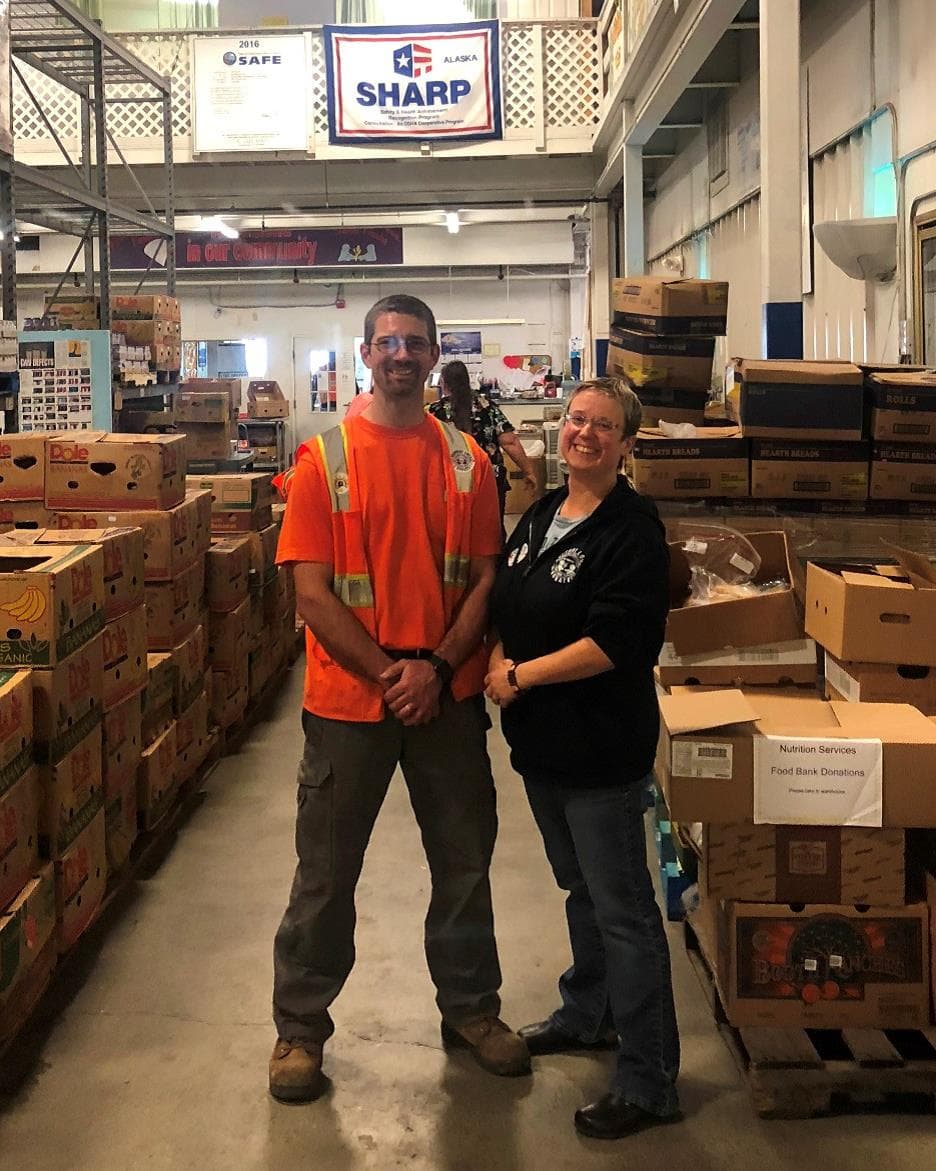
OSHA’s On-site Consultation Program offers free and confidential occupational safety and health services to small and medium-sized businesses in all states and several territories, with priority given to high-hazard worksites. Employers in voluntary programs such as VPP and SHARP have found that managing for safety can produce higher-quality output and higher profits.
Where the real risk shows up at A Simple Gesture
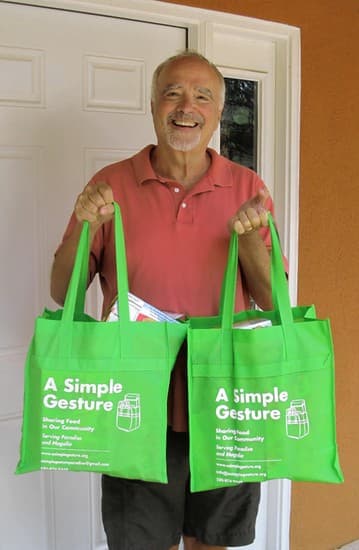
A Simple Gesture has made food donations easy through its convenient collection programs since 2015, serving Guilford County through multiple programs that include Green Bag pickups, Food Recovery, SHARE, and a Refugee Feeding Network. Its work depends on people showing up to load bags, drive personal cars, move boxes, and coordinate drop-offs to dozens of local food pantries.
The exposure is lifting, carrying, vehicle safety, route planning, and the handoff moments between donor, driver, and pantry.
The United States wastes 30% to 40% of the food it produces, A Simple Gesture says. Every run that gets food from a business to a pantry depends on volunteers being able to do physical work safely and repeat it the next week.
The habits that matter when staff is lean
OSHA’s “getting started” materials are a starter list for workplaces that want to build responsible safety and health management, and the agency points employers to the On-site Consultation Program for free help getting started or improving what already exists. For a small nonprofit, that means a few repeatable habits that do not require a large HR team.
A Simple Gesture can build those habits into the workday:

- Write down the basics. Keep a short safety program that covers loading areas, lifting, driving, storage rooms, and office ergonomics.
- Train at onboarding. New volunteers should learn how boxes are lifted, how cars are used, how routes are assigned, and how to report a problem before the first pickup.
- Use a simple checklist. A pre-shift check for vehicle condition, route issues, and pickup hazards is easier to maintain than an elaborate manual.
- Report incidents quickly. If a volunteer strains a back, slips in a loading area, or finds a blocked access point, the report should go to the same person every time.
- Review patterns on a schedule. Brief monthly or quarterly reviews can catch recurring route hazards, donation-room clutter, or lifting problems before they become routine.
OSHA’s crosswalk between its standards and recommended practices also points to four pieces that fit A Simple Gesture especially well: management leadership, worker participation, hazard identification and assessment, and education and training.
Safety is part of volunteer retention, too
As of December 2025, A Simple Gesture listed more than 3,900 recurring food donors and about 200 monthly volunteers, along with more than 75 pantry partners and more than 8,000,000 child-size meals helped and $13,000,000 worth of food donated. Its story page lists the organization with more than 1,700 food donors and over 132,000 pounds of food collected each year.
A volunteer who knows where to park, how to lift a 20-pound box, what shoes to wear, and who to call if a route looks unsafe is more likely to return.
A Simple Gesture operates from Greensboro, North Carolina, at 3503 Redington Drive.
This article was produced by Prism’s automated news system from verified source data, official records, and press releases, then run through automated quality and moderation checks before publishing. The system is built and supervised by the people who set the standards it runs under. Read our full AI policy.
Did this article answer your question?