OSHA warehousing guidance offers safety lessons for A Simple Gesture
A Simple Gesture’s donation runs look less like charity and more like warehouse work. OSHA’s guidance offers a practical checklist for keeping volunteers safe while they sort, lift, and move food.
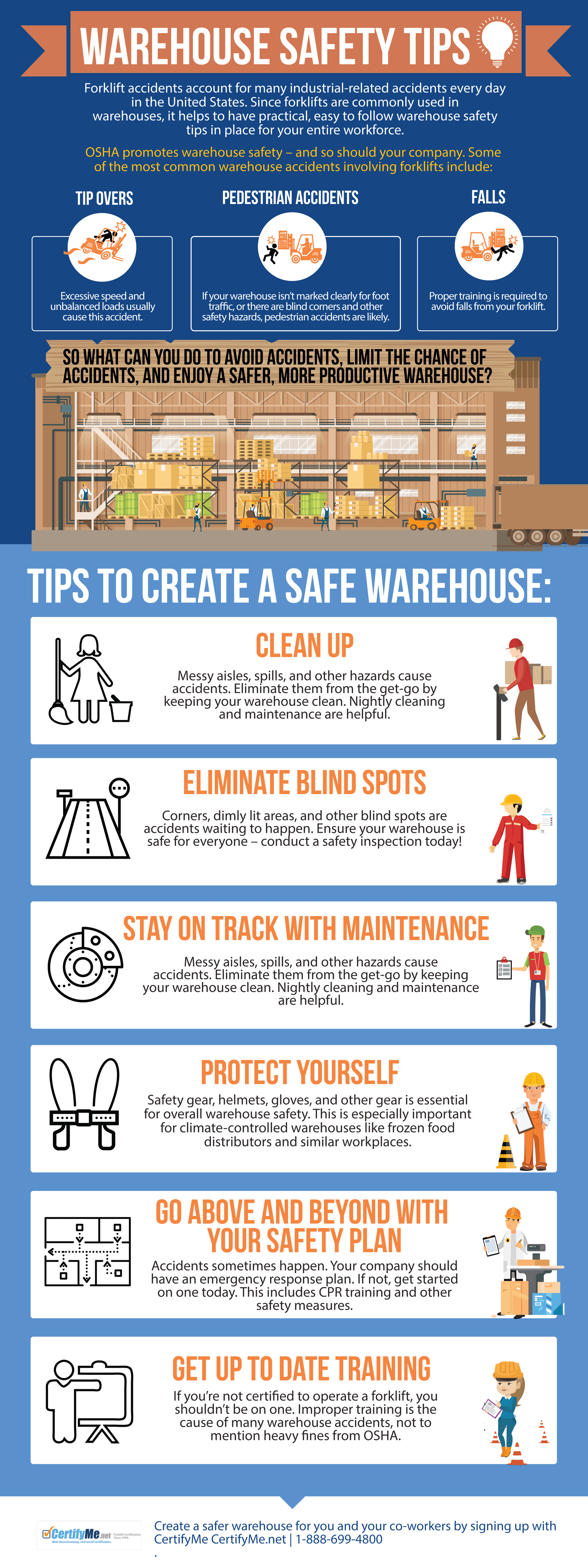
When a green bag pickup day turns into boxes, pallets, and a quick sort line, the safety risks are a lot closer to a warehouse than a neighborhood drop-off. That is why OSHA’s warehousing guidance matters for A Simple Gesture: it translates directly to the work volunteers and staff do every week, from lifting 20-pound boxes to keeping walkways clear and handling food without getting hurt.
What OSHA is really warning you about
OSHA’s warehousing overview covers facilities that handle general merchandise, refrigerated goods, and other products, plus the logistics that move those goods along. In practice, that is not far from what food recovery teams do when they collect edible food from restaurants, event venues, grocery stores, and other businesses with surplus food, then sort and deliver it to local nonprofits and food pantries. The agency points to the hazards that matter most in that environment: powered industrial trucks, ergonomics, material handling, hazardous chemicals, slip and trip hazards, and robotics.
The injury pattern is equally clear. OSHA says the most common warehouse injuries are musculoskeletal disorders, especially from overexertion while lifting and lowering, along with struck-by injuries from powered industrial trucks and other handling equipment. That is the right lens for a nonprofit like A Simple Gesture, because the risk is not just the weight of a box. It is the whole movement pattern around it: how far it gets carried, where it gets set down, whether the path is blocked, and whether the work is being done fast enough to invite a bad twist or stumble.
Why A Simple Gesture fits the warehouse model
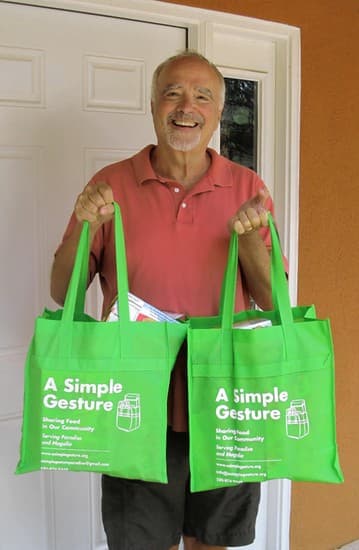
A Simple Gesture’s Guilford County operation partners with dozens of local food pantries, and it relies on volunteer drivers, bag sorting, folding, and special projects to keep the system moving. Its food recovery volunteers must be able to lift 20-pound boxes, use a smartphone, and wear closed-toe shoes. That is a plain-language clue that the job is physical, repetitive, and easy to underestimate if you think of it as just “helping out for a few hours.”
The organization also works with a wider food-recovery network than many casual volunteers realize. It serves Guilford County, North Carolina, and its mission includes providing a sustainable supply of food to local food pantries, collecting excess perishable food for local nonprofits and community meals, and supporting the SHARE program in Guilford County Schools. The work spans doorstep donations, business pickups, pantry deliveries, and school-based refrigeration, which means the safety plan has to hold up across different sites and different kinds of handling.
The checklist that matters before the shift starts
OSHA’s message for warehousing is simple: design the work around the hazard, not the other way around. For A Simple Gesture, that means treating every pickup, sorting session, and storage area like a mini worksite that needs structure before the first box moves. A short safety briefing can do a lot here, especially when volunteers rotate in and out and many are only onsite for a few hours.
A practical pre-shift checklist should include:
- Clear the path before lifting anything.
- Put the heaviest items where they can be handled without reaching high or bending low.
- Use team lifts for awkward or bulky donations.
- Make sure pallet jack users are trained before they move loaded items.
- Clean up spills right away and mark wet floors.
- Require closed-toe shoes every time.
- Keep signage simple so volunteers know where to place, stack, or carry items.
That sounds basic because it is. In a donation-handling environment, the hazard usually comes from small design failures adding up: a box left in an aisle, a wet spot near a cooler, a too-high stack in a corner, or a volunteer trying to rush a lift alone. OSHA’s warehousing resources also point to ergonomics, hazard communication, powered industrial trucks, temporary workers, workplace stress, and lockout/tagout, which reinforces the larger point: safety is a system, not a slogan.
Storage, sorting, and loading are all part of the same risk
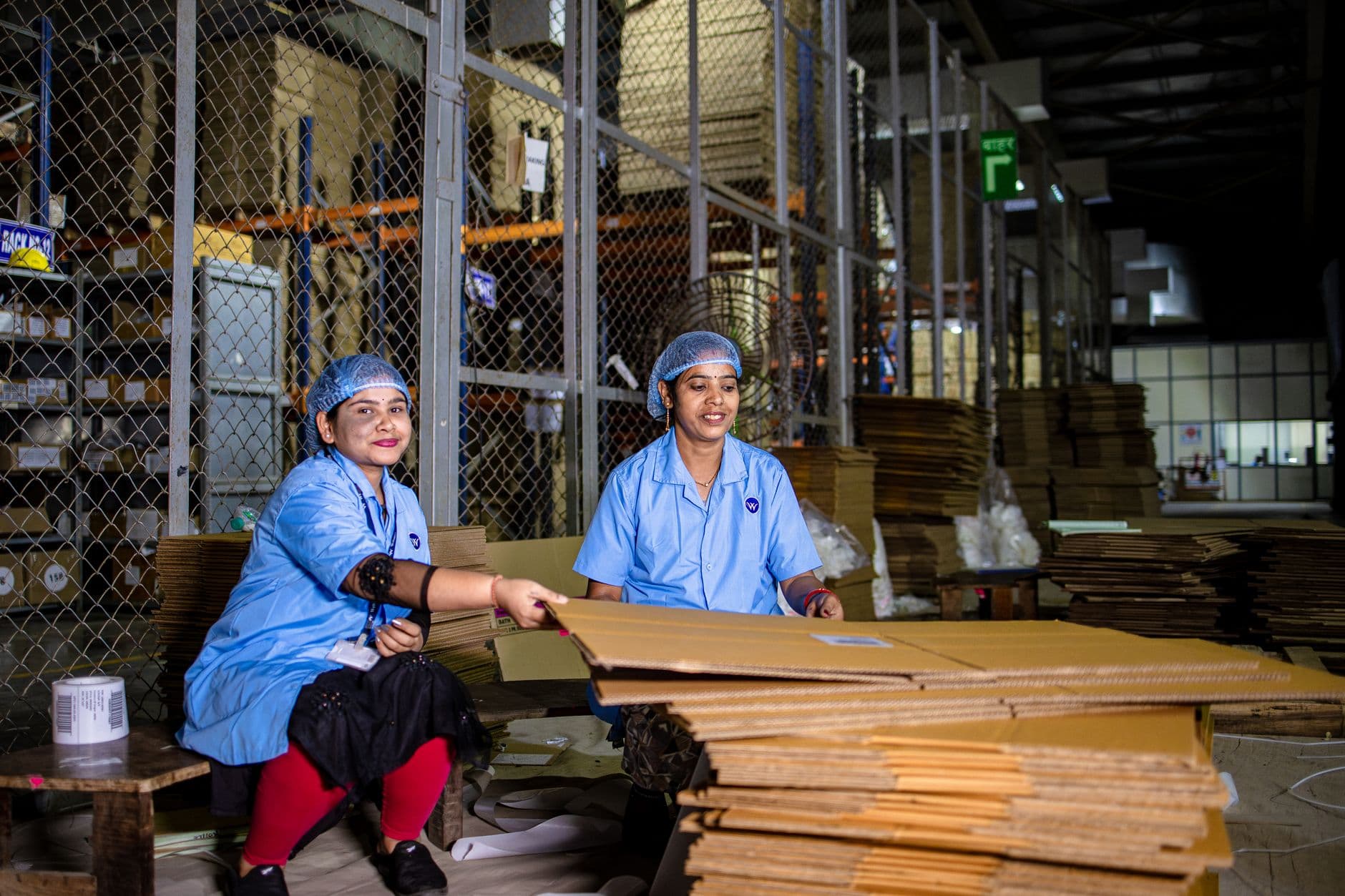
Food recovery work often shifts from one posture to another in minutes. One volunteer is unloading a car trunk, another is breaking down a bag, and a third is stacking items for delivery. That mix makes ergonomics especially important, because the same movement repeated all morning can be just as harmful as one visibly heavy lift. Musculoskeletal strain is the classic warehouse problem, and it shows up in nonprofit settings too when people bend, twist, and lift in tight spaces.
That is why lift height and path clearance matter so much. If boxes are stacked below knee level or above shoulder level, the work gets harder and less controlled. If a pallet jack or cart is moving through the space, pedestrians and handlers need predictable lanes. Even a well-run volunteer shift can become unsafe if the layout changes halfway through and nobody says so out loud.
Why this matters for retention as much as compliance
For A Simple Gesture, safety is not only about avoiding injuries. It is also about keeping volunteers coming back. The organization has more than 1,700 food donors and says it collects over 132,000 pounds of food each year, which means it depends on a steady flow of people willing to show up, learn the routine, and trust that the operation will not put them at unnecessary risk. If a volunteer gets hurt on a first or second shift, that is not just a personal injury. It is a retention problem and a capacity problem.
That matters in Guilford County, where Feeding America estimates there were 82,510 food-insecure people in 2023, a 15.2% food insecurity rate, with an annual food budget shortfall of $57,703,000. North Carolina’s food insecurity rate was estimated at 11.8% in 2021. In a place with that kind of need, every safe volunteer shift helps protect the pipeline between surplus food and the pantries, meals, and school programs that depend on it.
The bigger system behind the boxes
The scale of food waste explains why this work exists in the first place. The U.S. Department of Agriculture estimates that food waste makes up between 30% and 40% of the food supply, and that more than one-third of available food goes uneaten through loss or waste. USDA also says Feeding America and its network of food banks rescue around 3.6 billion pounds of food each year. A Simple Gesture sits inside that larger recovery system, turning food that might otherwise be discarded into meals and pantry stock for local households.
That is the real lesson in OSHA’s warehouse guidance. The mission may be hunger relief, but the daily mechanics look like logistics, and logistics needs guardrails. Clear signage, short safety talks, training on handling equipment, team lifts, spill cleanup, and simple footwear rules are not bureaucratic extras. They are what let a neighborhood donation network move food reliably, protect volunteers, and keep the operation strong enough to serve Guilford County week after week.
This article was produced by Prism’s automated news system from verified source data, official records, and press releases, then run through automated quality and moderation checks before publishing. The system is built and supervised by the people who set the standards it runs under. Read our full AI policy.
Did this article answer your question?