Philadelphia food banks face rising demand as SNAP cuts deepen need
Philadelphia’s hunger network is absorbing more demand as SNAP cuts threaten millions of meals, and neighbors are filling gaps food banks cannot cover alone.
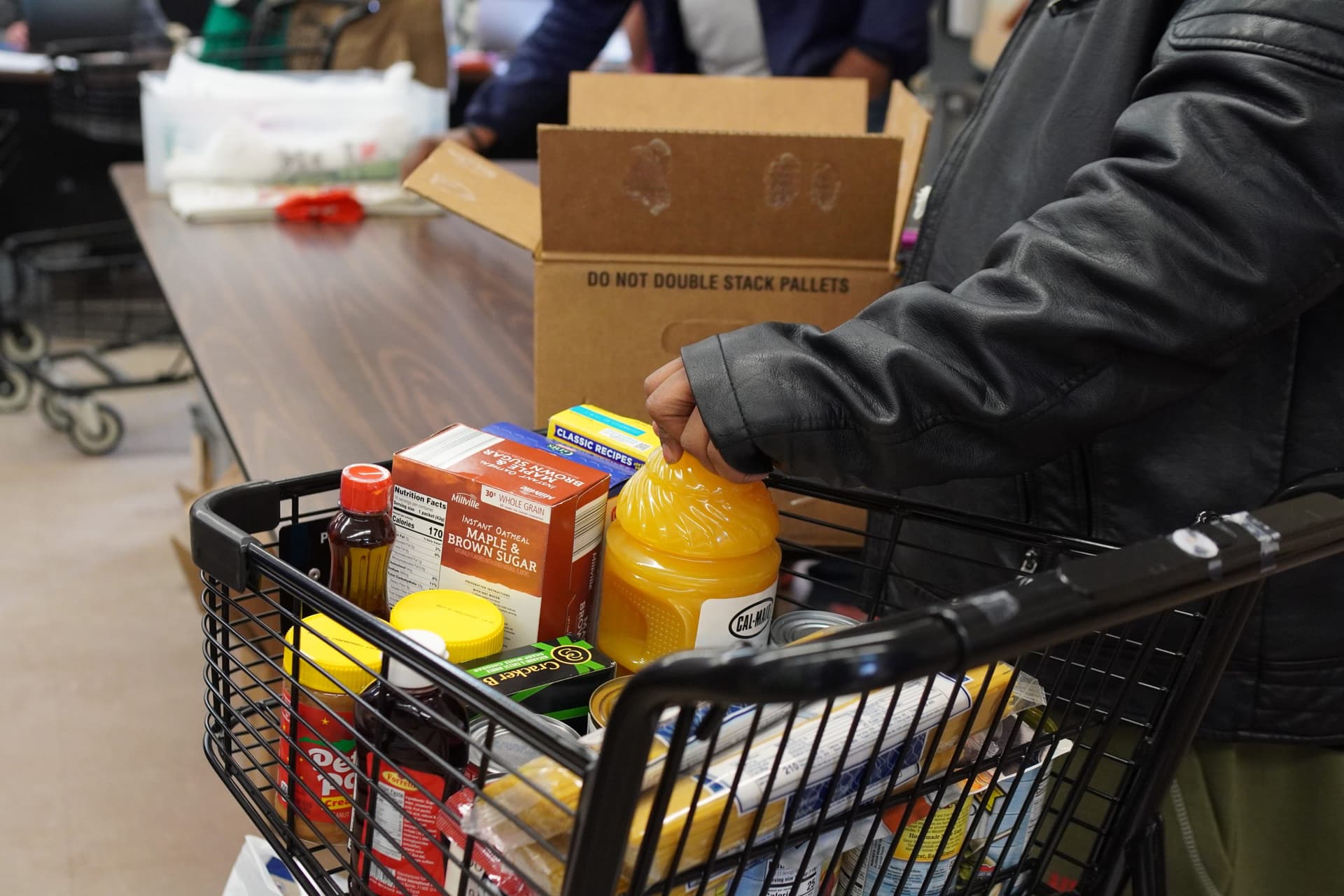
Philadelphia’s food banks are being squeezed from both sides: more people need help, and the safety net that helps them buy food is weakening. Philabundance said federal cuts could reduce SNAP support by between 6 billion and 9 billion meals a year, a scale of loss that local food banks cannot replace on their own.
The pressure is already visible in the region. Philabundance said food insecurity in its nine-county service area was 10.8% in 2022, or about 602,830 people, while child food insecurity reached 17.1%, about 203,360 children. The City of Philadelphia’s 2025 Hunger Dashboard says nearly one in four Philadelphians is food-insecure, and Billy Penn reported in July 2025 that more than 40,000 of the city’s poorest residents could lose food benefits under federal policy changes.
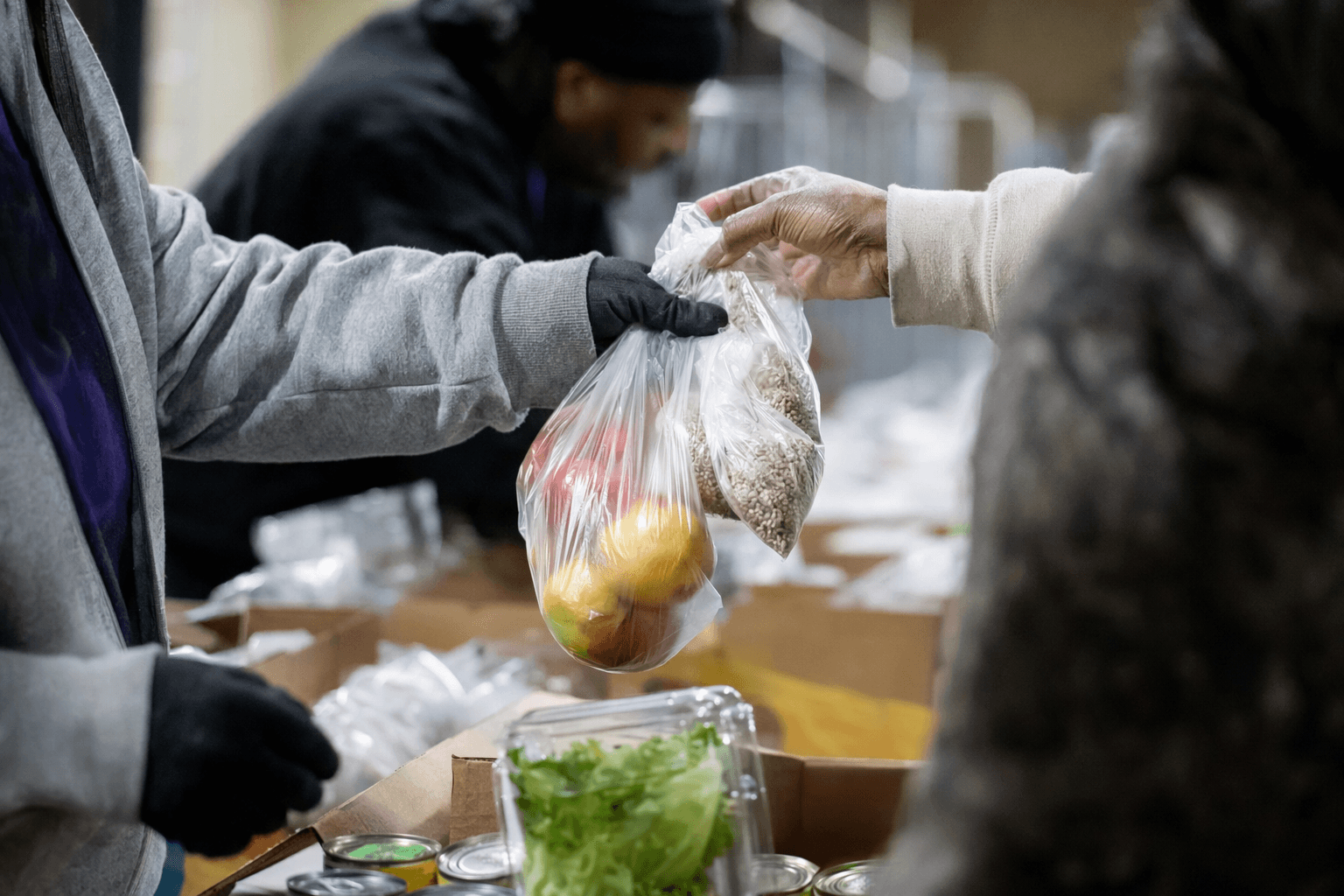
For A Simple Gesture staff and volunteers, that is a direct warning about what happens when economic stress hits the same households that keep donation systems moving. Doorstep giving depends on predictable participation, but the Philadelphia experience shows how quickly demand can rise when families have less to give and more neighbors need pantry support. It also underscores why route coordinators, pantry partners, and volunteer recruiters need tighter communication when the volume of food and the urgency of requests both move up at once.
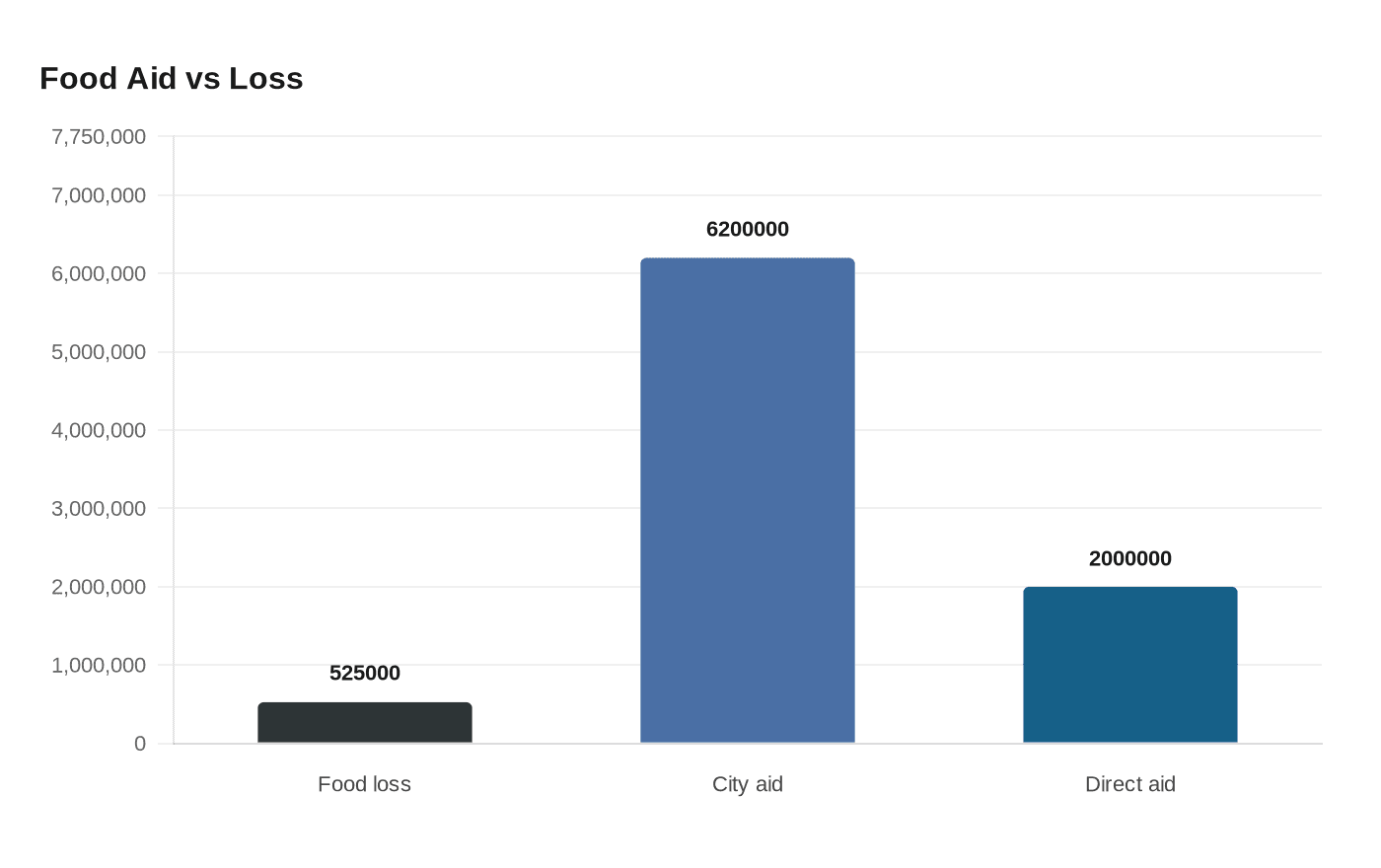
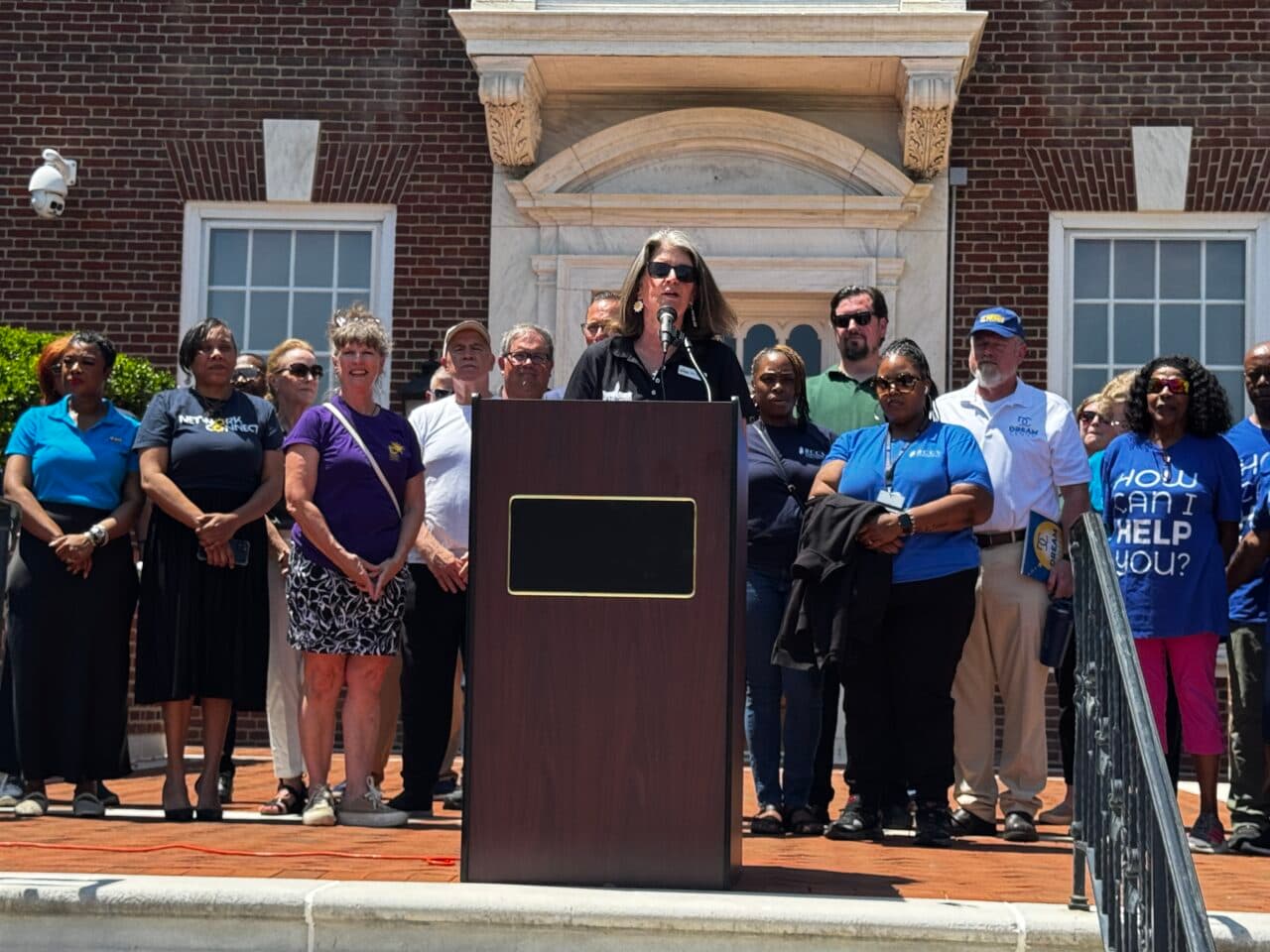
The strain is not theoretical. In March 2025, Philabundance said it lost the equivalent of $525,000 in food, or about 200,000 fewer meals, after a USDA Commodity Credit Corporation and TEFAP-related cut. Mayor Cherelle L. Parker signed Executive Order No. 5-25 on November 1, 2025, to address food insecurity tied to a lapse in federal SNAP funding, and by late November the city said it had delivered more than $6.2 million in rapid assistance through One Philly initiatives, including $2 million directly to Philabundance and Share Food Program.
The response has increasingly mixed formal aid with neighbor-to-neighbor action. Share Food Program has said SNAP delivers about nine dollars in food aid for every one dollar charities provide, a reminder that food banks can only bridge part of the gap. Philabundance and partners have also leaned on broader support, launching the 2026 Phans Feeding Families campaign with Citizens, the Phillies and Aaron Nola. For A Simple Gesture, the Philadelphia story is a clear operational lesson: when benefits falter, food recovery groups are no longer just collecting surplus. They become a more active part of how communities absorb shock, coordinate donations and keep pantry shelves from going bare.
Know something we missed? Have a correction or additional information?
Submit a Tip